
An air conditioner is often overlooked until its cooling performance starts to decline or it breaks down completely. At that point, homeowners need to decide whether repairing the existing system is worthwhile or whether replacement offers better value. Understanding ducted air conditioning repair vs replace can make this decision easier when an older system is becoming less reliable.
An air conditioner's lifespan depends on several factors, including its type, installation quality, usage, maintenance and the conditions in which it operates. Recognising what affects performance and longevity can help homeowners plan for repairs or replacement before a major breakdown occurs.
All Coast Air Conditioning understands that getting the most from an air conditioner involves more than choosing the right system. This guide looks at typical system lifespans, factors that can shorten or extend them, signs of an ageing unit and practical ways to keep an air conditioner operating efficiently for longer.
Average Lifespan of Different Air Conditioning Systems
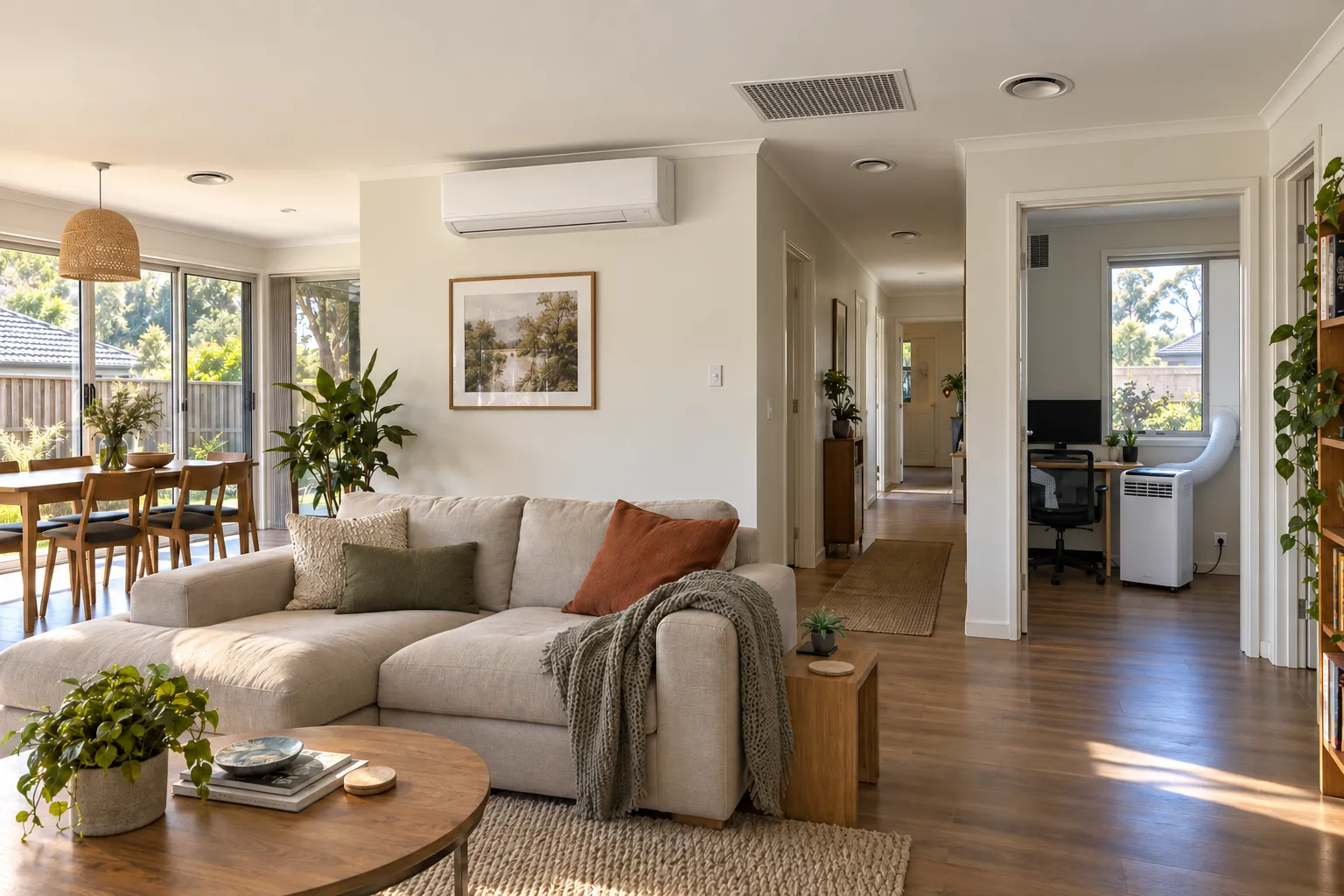
Different air conditioning systems have different expected lifespans depending on their design, usage and operating environment. Knowing the typical range can help homeowners plan for maintenance and eventual replacement.
Climate, installation quality and servicing all influence how long a system lasts. In Australian coastal areas, exposure to salt air, heat and humidity can place additional stress on equipment and may reduce its practical lifespan.
Split Systems
Wall-mounted split systems last around 10 to 15 years when correctly sized, professionally installed and regularly maintained. In milder conditions, some may operate effectively for longer, while coastal exposure and heavy use can bring them closer to the lower end of the range.
Daily runtime also matters. Systems that operate for long periods during summer experience more wear when filters are neglected or airflow is restricted.
Ducted Systems
Ducted air conditioning systems last around 12 to 18 years when properly installed and maintained. However, the central equipment and ductwork can have different service lives, with flexible ducting requiring attention after around 15 to 20 years in hot roof spaces.
Leaks, damaged insulation or crushed ducting can reduce performance even when the main air conditioning equipment is still operating. The condition of the entire system therefore becomes more important as it ages.
Window and Portable Units
Window and portable air conditioners typically have a shorter lifespan of around 5 to 10 years. Their compact design, frequent use and limited maintenance can contribute to faster wear.
Blocked filters, dirty coils, frequent movement and poor storage can further reduce their service life. Once an older unit becomes unreliable, replacement may be more practical than investing heavily in a system with limited remaining lifespan.
Distinguish between an air conditioner's physical lifespan and practical service life. A system may continue operating beyond its typical lifespan, but that does not necessarily mean keeping it is the most economical choice. Increasing repair costs, energy consumption and reliability problems can make replacement worthwhile before the equipment stops working completely.
What Affects the Lifespan of an Air Conditioner?
An air conditioner's lifespan depends on more than its brand or model. Climate, usage, installation quality and maintenance all influence how much wear the system experiences and how reliably it performs over time.
Important factors are:
- Climate and usage: Hot, humid conditions and frequent use place greater demands on components. Incorrect sizing or unnecessarily low thermostat settings can also increase runtime or cause frequent cycling.
- Installation and design: Correct sizing, proper airflow, suitable ductwork and the right refrigerant charge all support efficient operation. The outdoor unit should also have adequate airflow and reasonable protection from excessive heat, debris and environmental exposure.
- Maintenance and operating conditions: Keeping filters, coils and drainage in good condition can help prevent avoidable strain and faults. The outdoor unit should also be kept clear of leaves, dirt and vegetation in coastal areas where salt exposure can accelerate corrosion.
Taking these factors into account from installation through to everyday use can help an air conditioner operate efficiently and reach the longer end of its expected service life.
How Coastal Conditions Can Shorten Air Conditioner Lifespan
Air conditioners in coastal areas face harsher conditions than systems located further inland. Salt air, humidity, wind and airborne debris can accelerate corrosion, restrict airflow and increase the workload on outdoor components. A system exposed to these conditions may require more maintenance and reach the end of its useful life sooner than the same model in a sheltered environment.
The main factors to consider are:
- Salt air and corrosion: Salt carried by sea breezes can settle on condenser coils, metal casings and electrical connections. Eventually, corrosion can damage components and reduce efficiency and reliability.
- Humidity and moisture: High humidity and regular exposure to moisture can accelerate rust on outdoor components and encourage mould or buildup around indoor coils and drainage areas.
- Wind, sand and debris: Coastal winds can carry sand, dust, leaves and other debris into the outdoor unit. Buildup around the coil and fan can restrict airflow and make the system work harder.
- Outdoor unit location: Units positioned in highly exposed areas may experience greater salt and moisture exposure. Keeping the unit clear of vegetation and debris while maintaining suitable airflow can help reduce environmental wear.
Appropriate coastal air conditioning care can help limit corrosion, moisture buildup and airflow restrictions caused by salt, humidity and airborne debris.
Regular attention to cleanliness and appropriate outdoor-unit positioning is valuable in coastal environments. These measures can help limit environmental deterioration and support reliable operation.
How Regular Maintenance Can Extend Air Conditioner Lifespan
Regular maintenance can help an air conditioner operate efficiently while reducing unnecessary strain on components and identifying developing faults before they become major repairs. This is important in areas where salt air, humidity and airborne debris can accelerate wear and corrosion.
Maintenance tasks include:
- Clean or replace filters: Blocked filters restrict airflow and can force the system to work harder. Filters should be cleaned or replaced according to the manufacturer's recommendations, with more frequent attention potentially needed in homes with pets, higher dust levels or heavy use.
- Keep coils clean: Dust, dirt and salt deposits can reduce heat transfer and increase the workload on the system. Professional cleaning can help maintain efficient operation and reduce buildup that may contribute to corrosion.
- Check condensate drainage: Blocked drains can cause water to back up, leading to leaks, mould growth or damage around the system. Inspecting drainage during servicing can help identify problems before they become more costly.
- Inspect electrical and mechanical components: Connections, fan motors, capacitors, controls and other components can develop wear over time. Identifying deteriorating parts early allows problems to be addressed before they contribute to a breakdown.
Australian Government testing of common air conditioning faults found that blocked components and incorrect refrigerant charges can increase energy consumption and raise the likelihood of system failure.
The appropriate servicing frequency depends on the system, usage and operating environment. Keeping service records can also help homeowners track recurring faults and monitor the condition of an ageing system.
Does the Age of an Air Conditioner Affect Its Efficiency?
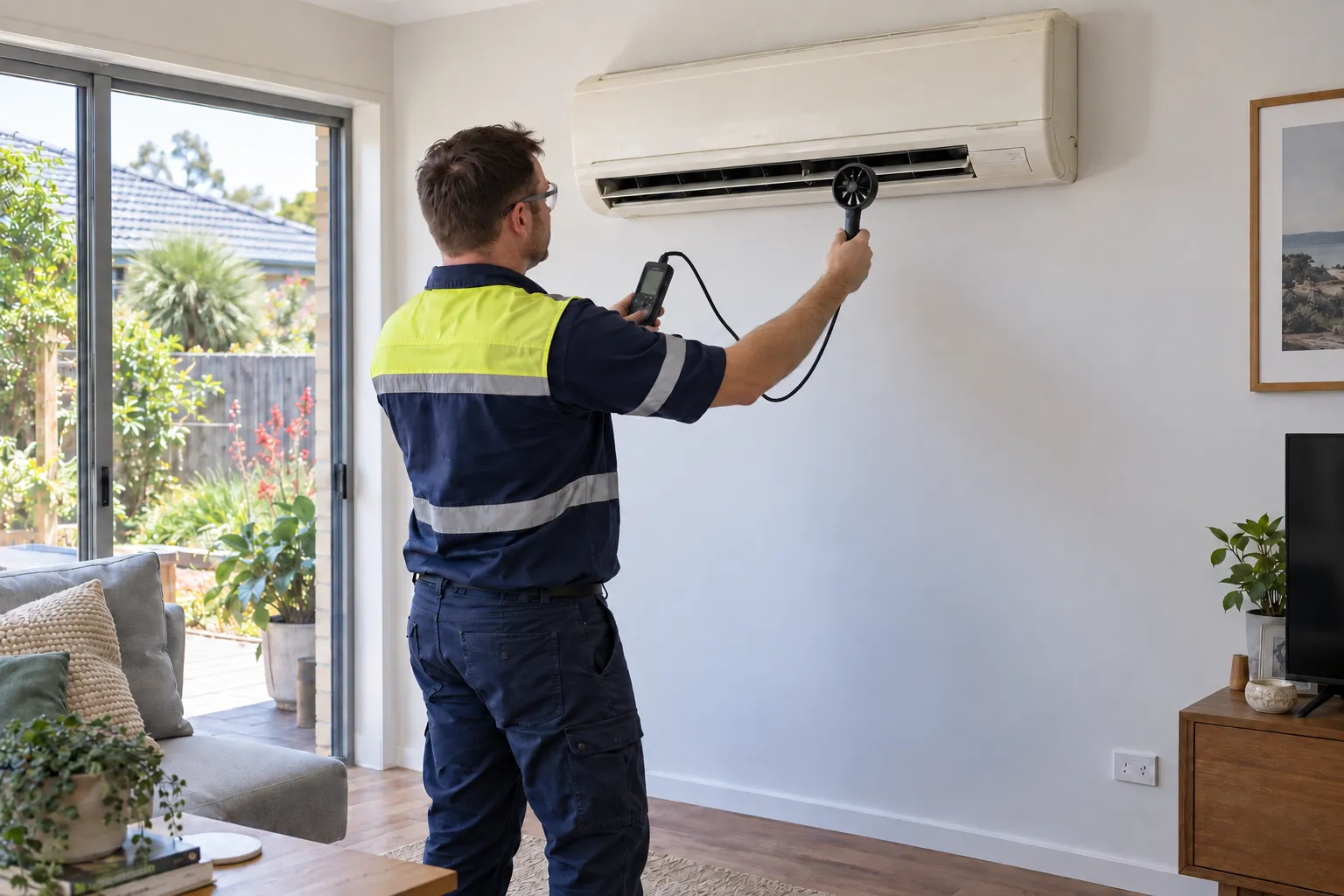
Yes, the age of an air conditioner can affect its efficiency, although age alone does not determine how well a system performs. Components such as compressors, fan motors and coils can wear or corrode, while dirt, refrigerant issues and other faults can reduce heat transfer and increase energy use. A well-maintained older system may still perform better than a poorly maintained newer one.
Older air conditioners may also use less efficient technology than modern systems compared with newer inverter models. As an ageing unit begins to run for longer, provide less cooling or consume more electricity, the difference in efficiency can become more noticeable.
Efficiency becomes a stronger reason to consider replacement when it is combined with frequent repairs, declining cooling performance or rising energy costs. Comparing the system's condition and ongoing running costs with the expected efficiency and reliability of a replacement can help determine which option offers better value.
Signs Your Air Conditioner Is Nearing the End of Its Life
An air conditioner often shows signs of declining performance before it fails. Age is one consideration, but increasing repair costs, reduced cooling, higher energy consumption and changes in noise or odour can provide stronger indications that the system is approaching the end of its useful life.
Beware of the following:
- Frequent breakdowns and rising repair costs: Repeated breakdowns or multiple repairs within a short period may indicate that several components are beginning to deteriorate. For an older system, continually paying for repairs may make replacement a more practical option.
- Reduced cooling performance: If the system takes longer to cool the home, struggles to maintain the set temperature or leaves some rooms uncomfortable, its performance may be declining. Basic airflow and filter issues should be checked first, but persistent problems may point to worn or damaged components.
- Higher energy bills: Increasing electricity use despite similar air conditioner usage can indicate declining efficiency as an older system begins to wear out.
- Excessive noise or unusual smells: Grinding, rattling, buzzing or persistent musty odours can indicate mechanical wear, electrical issues or other faults. Burning or electrical smells should be assessed promptly.
When several of these signs occur together, compare the cost of continued repairs and energy use with the benefits of replacement. A professional assessment can help determine whether the system still has useful life remaining.
Can Air Conditioner Repairs Extend the System’s Life?
Yes, air conditioner repairs can extend the system's useful life, particularly when a fault is identified early and the rest of the equipment is still in good condition. Replacing a worn component, fixing an electrical fault or correcting an operating issue can restore performance and prevent unnecessary strain on other parts of the system.
Repairs involving refrigerant should be completed by a technician with a current Refrigerant Handling Licence, which can be verified through the Australian Refrigeration Council.
Repairs are more worthwhile when the air conditioner is relatively young, has been well maintained and is still cooling effectively. However, repeated breakdowns, declining performance, corrosion or major faults involving components can indicate broader deterioration.
For an older or increasingly unreliable system, repair costs should be considered alongside energy efficiency, future maintenance and the likelihood of further faults. A professional assessment can help determine whether the current problem is an isolated fault that can be repaired or a sign that replacement would provide better value.
Homeowners deciding whether to repair or replace an ageing split system should consider the unit’s age, overall condition, repair history and ongoing running costs.
When Should You Replace an Ageing Air Conditioner?
An ageing air conditioner does not necessarily need to be replaced based on age alone. However, once an older system begins experiencing frequent faults, declining performance or increasing running costs, replacement may provide more value than continuing to repair it.
Signs that replacement may be worthwhile include:
- Age combined with frequent repairs: Air conditioners commonly provide around 10 to 15 years of service, although lifespan varies with system type, maintenance, usage and operating conditions. If an older unit requires frequent or expensive repairs, continued investment may no longer be worthwhile.
- Rising energy costs and declining efficiency: If the system uses more electricity to provide the same level of cooling or takes noticeably longer to reach the desired temperature, its efficiency may have deteriorated. A newer, more efficient system may reduce ongoing energy consumption.
- Persistent comfort and reliability problems: Uneven cooling, excessive noise, repeated breakdowns or difficulty maintaining the desired temperature can indicate that the system is becoming unreliable. If these problems continue despite appropriate repairs, replacement can provide more dependable comfort.
The decision should consider the air conditioner's age, condition, repair history, efficiency and reliability together. When several warning signs occur at the same time, comparing the cost of continued repairs and running expenses with a modern replacement can help determine which option offers better value.
How to Extend the Life of Your Air Conditioner
Yes, everyday use and basic care can make a meaningful difference to how long an air conditioner remains reliable. Sensible operation, good airflow and early attention to problems can reduce unnecessary strain and help prevent avoidable wear.
Coastal conditions also make outdoor-unit care important. Simple habits could be:
- Set sensible temperatures: Avoid setting the thermostat unnecessarily low, as this can increase runtime and place additional strain on the system. Timers and scheduling features can also reduce unnecessary operation.
- Keep airflow clear: Keep return-air grilles and supply vents clear of furniture, curtains and other obstructions. The outdoor unit should have adequate clearance and remain free from leaves, dirt and vegetation.
- Clean filters regularly: Check filters regularly and clean or replace them according to the manufacturer's instructions. More frequent cleaning may be needed in homes with pets, higher dust levels or heavy air conditioner use.
- Care for the outdoor unit: Keep the area around the outdoor unit clean and avoid restricting airflow. In coastal locations, reducing exposure to accumulated salt, sand and debris can help limit environmental wear.
- Fix problems early: Unusual noises, water leaks, reduced cooling or other changes in performance should not be ignored. Early attention may prevent a minor fault from placing additional strain on other components.
These everyday habits, combined with appropriate professional maintenance, can give an air conditioner a better chance of reaching the longer end of its expected service life.
An air conditioner’s lifespan depends on more than age. System quality, installation, usage, maintenance and local coastal conditions all affect how long it can operate efficiently and reliably. Regular care, sensible operation and early attention to faults can help extend its useful life while reducing the risk of unexpected breakdowns and costly repairs.
For homeowners in the Northern Rivers and Gold Coast, All Coast Air Conditioning can help assess whether an existing system is better suited to repair, continued maintenance or replacement. Understanding the condition, efficiency and repair history of the unit allows homeowners to make a more informed decision and maintain reliable comfort.
We Run Our Business Like a Family
When You Need Help
Get your home the Air Conditioning work it needs from our team at All Coast Air Conditioning. We’re always ready to help.


