
Our team at All Coast Air Conditioning understands the significant impact of sea breeze and moisture on the deterioration of climate control equipment. Salt particles can settle on outdoor units in the Central Coast, while humidity can work its way into electrical components and coils and cause long-term issues that start small but can quickly escalate if ignored. Many property owners assume that air conditioning in Central Coast will perform consistently regardless of the setting, yet coastal environments demand a different approach to maintenance and long-term care. That difference can mean the gap between a reliable system that lasts for many years and one that rusts or fails well before its expected lifespan.
All Coast Air Conditioning has spent years working with coastal property owners who want systems that can withstand both the salty breeze and constant moisture. Our point of view is shaped by hands-on experience with systems that age quicker due to salty corrosion and weather exposure. Understanding these challenges helps us advise customers on smarter installation choices and protective measures. With a bit of care and knowledge, coastal air conditioning can remain efficient without turning into a yearly repair bill.
How Coastal Environments Affect Air Conditioning Systems
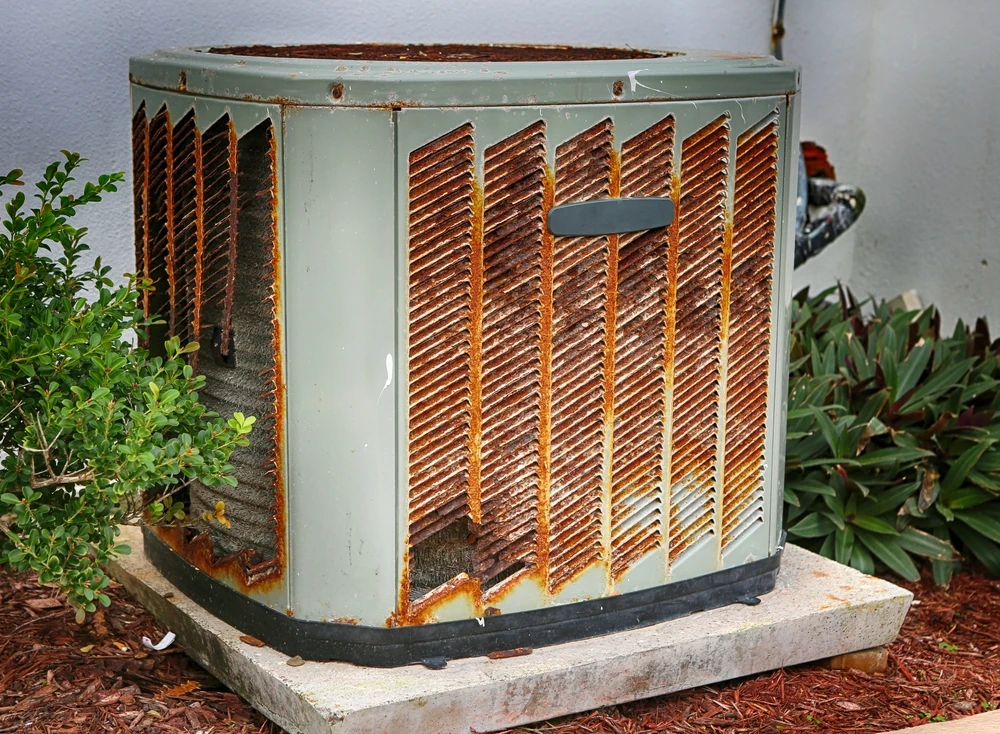
Salt and moisture in coastal regions create a harsh environment for outdoor machinery, especially systems made with exposed metals and sensitive electronics. When salt travels through the air, it sticks to surfaces and begins a chemical reaction that weakens metal over time. Humidity adds to this by keeping moisture trapped on surfaces and inside components, speeding up the corrosion process. These factors can lead to weakened parts with reduced performance and higher running costs.
The Role of Salt Air and Humidity in System Corrosion
Salt has corrosive properties that weaken metals and coatings in outdoor cooling systems, while moisture helps that process accelerate. Outdoor units draw air through coils and fins, giving salt and moisture entry points to settle and build up over time. Once these deposits form, they can create a layer that traps moisture and encourages further corrosion at a faster rate.
- Salt can cling to metal surfaces and create tiny pores where moisture enters and weakens structural components over time.
- Humidity can keep moisture locked against coils and fins, encouraging rust formation and reducing airflow through the system.
- Over time the presence of salt and moisture can affect electrical parts and sensors that struggle to operate well in damp and corrosive conditions.
Salt and humidity work together to create surface damage and reduce operational efficiency. Early action and preventative treatments go a long way towards keeping corrosion at bay.
Why Coastal Homes and Commercial Buildings Face Higher Risk
Properties near the coastline often receive stronger and more frequent sea breezes that carry salt particles far inland. Outdoor units placed on balconies or rooftops or exposed walls experience direct salt deposits that settle faster than in inland settings. Buildings with high occupancy or frequent cooling use may also see faster wear due to increased heat load and continuous air movement across coils.
- Multi-storey buildings with rooftop units may catch more airborne salt due to higher wind exposure that increases coating breakdown.
- Homes and workplaces that rely heavily on cooling may pull in larger volumes of moist salty air that settles across internal components.
- Frequent storms and wet weather add extra moisture to salt deposits that already exist, speeding up the corrosion process even further.
Coastal properties face a perfect blend of salt and humidity and wind exposure that create real and ongoing challenges for cooling systems. Understanding these environmental risks helps property owners and managers make smarter equipment and maintenance choices.
How Salt and Humidity Reduce System Lifespans
When salt and moisture continue unchecked, major components inside the system can lose structural strength and efficiency. Fans may require more power to push air past clogged coils, while refrigerant performance may drop due to restricted heat exchange at the condenser. Certain components may even fail electrically if corrosion spreads to wiring and sensors.
- Condenser coils may corrode and lose thermal transfer efficiency, causing the system to run longer and consume more energy.
- Small electrical components like capacitors and terminals may suffer moisture damage that leads to intermittent starting issues or complete failure.
- Protective paints and coatings may wear off over time, leaving important metal surfaces exposed to more aggressive corrosion.
A shorter system lifespan often comes down to a steady decay that begins silently and goes unnoticed by property owners. Once major parts deteriorate, replacement becomes costly and disruptive.
Preventing Premature Wear in Coastal Air Conditioning Systems
Preventing early failure in coastal environments requires a mix of smart material selection and ongoing care. Coatings and treatments help stop corrosion before it begins, while strategic placement of outdoor units can limit direct salt exposure. Regular checks from trained technicians can catch early signs of damage, allowing small issues to be fixed before they turn into major breakdowns. With planning and routine care, coastal systems can remain efficient and reliable for many years.
Reducing Corrosion with Protective Treatments and Materials
Protective coatings and corrosion-resistant metals provide strong defence against salt and moisture. Specialised paints and treatments can form a barrier that shields coils or casings and mounting hardware from corrosion. Manufacturers sometimes offer coastal-grade options designed for tougher environments.
- Coated coils help reduce salt bonding and moisture retention, allowing cleaner airflow and better long-term performance.
- Stainless steel or corrosion-resistant hardware can prevent brackets or screws and panels from rusting and failing under salty conditions.
- Anti-corrosion sprays and treatments applied during maintenance visits can add extra layers of protection for exposed components.
Protective materials act as the first line of defence against coastal wear. Investing in corrosion-resistant hardware saves money on repairs in the long run.
Maintenance Practices for Salt Exposure and Severe Weather
Regular cleaning and inspections can help remove salt build-up before it corrodes key components. Weather events such as heavy rain or storms may push extra moisture into outdoor units, making post-storm checks important. Technicians can spot early faults and apply treatments to reduce future damage.
- Routine rinsing of outdoor condenser units removes salt and dust that restrict heat exchange and airflow.
- Scheduled coil cleaning prevents moisture and salt deposits from forming a thick insulating layer that forces the system to work harder.
- Professional inspections after storms ensure wiring and fans are still intact and free from debris that may have been blown into the unit.
Good maintenance practices improve system reliability and reduce long-term operating costs. A consistent schedule keeps damage from creeping up unnoticed.
Strategic Placement and Installation Decisions
Where the outdoor unit is installed can dramatically affect its lifespan in coastal settings. Positioning equipment away from direct sea breeze or using protective screens helps reduce salt exposure. Technicians may also recommend mounting heights that prevent flooding or splash damage during bad weather.
- Installing units on sheltered building sides can minimise direct salt spray and extend coating life on metals.
- Protective screens or barriers can reduce wind-driven debris without blocking ventilation or heat exhaust.
- Elevated mounting brackets prevent damage from pooled water during storms, allowing air to circulate freely beneath the units.
Installation decisions can prevent many future issues before the system even runs for the first time. Thoughtful placement is a simple yet effective way to safeguard equipment.
Warning Signs of Coastal-Related Air Conditioning Damage
Cooling systems in coastal environments often show subtle signs before major failure occurs. Rust or reduced cooling strength and unusual noises may point to corrosion or damaged components. Increased power bills can also suggest efficiency loss due to salt-blocked coils. Paying attention to these early warning signs helps property owners take action before parts fail completely.
Common Faults Caused by Corrosion
Some faults are more common in coastal systems than inland properties due to constant salt exposure and humidity. These faults weaken performance while reducing equipment life and increasing repair frequency. Understanding these faults allows owners to recognise when repairs or inspections are needed.
- Corroded coils struggle to transfer heat effectively, causing longer run times and higher energy use.
- Rusted fan blades may become unbalanced and noisy, creating vibration and reduced airflow across the coils.
- Moisture-damaged wiring and terminals can cause intermittent electrical faults, making the system unreliable and harder to diagnose.
Coastal corrosion-related faults often begin small but develop quickly. Spotting these issues early prevents sudden failures.
Reduced Cooling Output and Higher Running Costs
One of the first signs of salt-related damage is reduced cooling efficiency. When coils corrode or become coated in salt, heat exchange becomes less effective. The system may need to run longer to achieve the same result, increasing wear on components.
- Longer cooling cycles raise electricity usage and place extra stress on compressors and fans.
- Reduced airflow due to blocked coils or rusted fan parts prevents proper heat removal from indoor spaces.
- Occupants may notice uneven temperatures or weak airflow as performance continues to decline.
Reduced cooling output is a sign that corrosion or salt deposits may be affecting system efficiency. Energy bills often reveal this decline before mechanical parts fail.
Visible Rust or Odours or Unusual Noises
Visual and sensory signs often give clear clues that a coastal system is struggling. Rust spots on the casing or musty odours and even rattling noises indicate corrosion or structural issues. These issues rarely correct themselves and usually worsen over time.
- Rust on unit panels or brackets may indicate deeper corrosion inside the system and should be checked by a technician.
- Musty smells can form when interior moisture and debris build up inside coils or drains, reducing indoor air quality.
- Rattling or scraping noises may come from rusted fan blades or loose hardware weakened by corrosion or vibration.
Visible and audible symptoms should never be ignored in a coastal environment. Prompt inspection can prevent expensive repair bills.
Selecting Air Conditioning Systems Suitable for Coastal Conditions
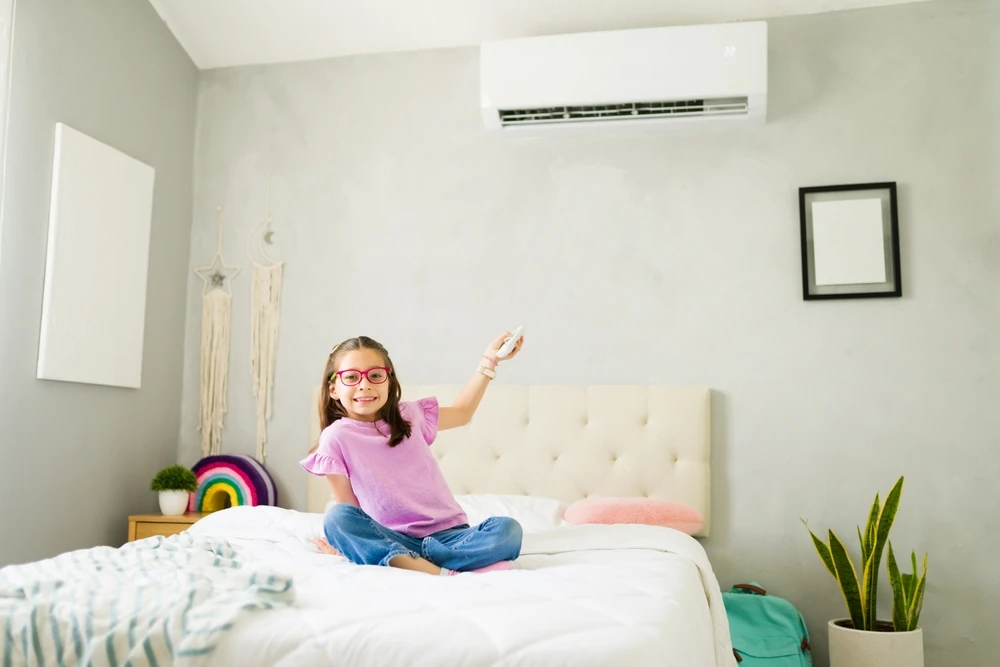
Choosing the right system for a coastal property requires more than just matching size and power needs. Materials or coatings and design features play a major role in how long the system lasts in salty and humid environments. Coastal-grade options may cost more upfront but often save money over time by reducing repairs and replacements. System selection becomes a smart investment rather than a quick purchase.
Key Design Features for Coastal and High-Humidity Environments
Modern systems offer corrosion-resistant components and advanced protective coatings that suit corrosive environments. Manufacturers may design coils and cabinets with specialised materials that last longer in salty and humid conditions. These features strengthen long-term reliability and performance.
- Epoxy-coated coils reduce salt bonding and slow down the corrosion process for outdoor condenser units.
- Corrosion-resistant cabinets prevent the exterior shell from rusting and exposing internal components to the weather.
- Upgraded fan blades and mounts help maintain balanced operation even under constant salt and moisture exposure.
These design features help create a system that aligns with coastal demands. Careful system selection increases durability and lifespan.
Considering System Capacity and Ventilation Needs
Ventilation and capacity are often overlooked but play major roles in system performance near the coast. If airflow is restricted or undersized, moisture and heat can build up quickly inside the system. Properly sized systems and clear airflow paths improve efficiency and reduce mechanical stress.
- Correct capacity prevents the system from running excessively under humid conditions, reducing long-term wear.
- Good ventilation paths around the outdoor unit allow moisture to dry naturally rather than being trapped against metal surfaces.
- Technicians can assess airflow zones to avoid installing equipment in areas with stagnant air or constant wind-driven salt.
Capacity and ventilation contribute directly to system reliability. A well-sized and well-ventilated unit avoids future performance problems.
Consulting Technicians Familiar with Coastal Conditions
Technicians who understand coastal conditions can recommend equipment that matches the site conditions. Experience helps them identify problems that non-coastal installers might overlook. Their advice can prevent costly mistakes and mismatched hardware.
- Skilled technicians can assess exposure levels based on building orientation and proximity to the ocean to suggest protective measures.
- They can recommend models with enhanced corrosion protection and durable components suited for high salt or humidity.
- Their experience ensures that installation or drainage and mounting solutions reflect the challenges of coastal environments.
Working with knowledgeable technicians reduces long-term problems. Expert advice creates a smoother and more reliable system selection process.
Seasonal Air Conditioning Maintenance for Coastal Properties
Seasonal maintenance routines help control the effects of salt and humidity before they create system failures. As seasons change, exposure levels shift due to storms or wind patterns and temperature changes. Scheduling seasonal inspections lets technicians spot wear patterns early and apply protective treatments. These routines protect the investment and keep comfort levels stable all year.
Preparing Systems Before Humid or Stormy Seasons
Before humid weather arrives, systems benefit from inspections and cleaning to handle extra moisture and airborne salt. Storm seasons pose risks of water damage or power surges and wind-driven debris. Preparing early reduces downtime and costly repairs later on.
- Coils and fins should be cleaned and treated so heat transfer remains efficient during humid periods.
- Electrical terminals and sensors may need inspection to ensure moisture has not weakened component connections.
- Outdoor units may require debris removal and secure mounting checks to withstand strong winds and storm activity.
Seasonal preparation strengthens system resilience. A small amount of work upfront avoids large repair bills later.
Off-Season Cleaning and Protective Coating Reapplication
During off-seasons, systems can be shut down briefly for deeper cleaning and protective treatments. Technicians may reapply coatings or replace corroded hardware before the next heavy-use period. Off-season servicing creates a cleaner baseline for the months ahead.
- Thorough rinsing removes old salt deposits, allowing protective coatings to adhere properly and last longer.
- Surface inspections reveal chipped paint or worn coatings that invite corrosion if not repaired.
- Replacing bolts and brackets with corrosion-resistant materials helps reinforce ageing systems for future weather cycles.
Off-season resets keep systems fresh and protected. These tasks reduce surprise failures during peak usage.
Inspection Logs and Long-Term Maintenance Planning
Tracking equipment condition over time helps property owners and technicians understand how quickly corrosion develops. Logs also help identify repair patterns and future component needs. Planning maintenance around these patterns improves budgeting and system reliability.
- Service logs record corrosion observations with salt exposure levels and protective coating performance across the year.
- Long-term planning helps property owners schedule upgrades or replacements before systems fail unexpectedly.
- Consistent inspection records help technicians compare seasonal differences and adjust maintenance strategies accordingly.
Long-term planning takes the guesswork out of system care. Consistent records support smarter decisions and better outcomes.
Coastal cooling systems face tougher conditions than many property owners realise due to strong weather patterns. Small choices in installation and materials and maintenance make a big difference in how long systems last and how well they perform. By focusing on prevention and proper servicing, property owners can enjoy comfortable indoor environments without constant repair bills.
From our experience as a coastal-based provider, we know that smart planning and seasonal maintenance help protect valuable equipment from unnecessary damage. Property owners who invest in corrosion-resistant materials with protective coatings and knowledgeable technicians get more reliable performance and lower long-term costs. With the right care, coastal cooling systems can deliver durability and efficiency for many years.
We Run Our Business Like a Family
When You Need Help
Get your home the Air Conditioning work it needs from our team at All Coast Air Conditioning. We’re always ready to help.


