
When a split system air conditioner starts getting older, deciding whether to repair it or replace it is not always straightforward. The right choice depends on the age of the unit, how often it breaks down, how well it still performs and whether the cost of repairs makes sense compared with installing a new system. For homeowners looking at air conditioning on the Central Coast, reliability and energy efficiency are especially important during warmer months when the system is used heavily.
In this article, All Coast Air Conditioning explains the key signs that a split system may be nearing the end of its life, when repairs may still be worthwhile, and when replacement is likely to offer better long-term value.
.webp)
Signs Your Split System Is Reaching the End of Its Life
A split system does not usually fail all at once. In many cases, the warning signs build gradually. The system may still turn on, but it might take longer to cool the room, run louder than usual or need repairs more often than it used to.
One issue on its own does not always mean the air conditioner needs to be replaced. However, when several problems start appearing together, especially in a system that is more than 10 years old, it is usually a sign that the unit is becoming less reliable and more expensive to keep running.
Age and Reliability Problems
Most split system air conditioners provide reliable service for around 10 to 15 years when they are properly maintained. Once a unit moves beyond this age range, major components such as the compressor, fan motors, circuit boards and sensors become more prone to failure.
Frequent breakdowns are one of the clearest signs that the system is reaching the end of its useful life. If the unit needs major repairs more than once within a couple of years, or regularly fails at the start of summer, it may no longer be worth spending money on short-term fixes.
At this stage, repairs can become a cycle. One part is replaced, then another issue appears soon after. While each individual repair may seem manageable, the total cost can quickly add up.
Rising Energy Bills and Weaker Performance
An older split system may also become more expensive to run. If electricity bills are increasing and there has been no major change in household usage, the air conditioner may be working harder than it should to deliver the same result.
This often happens when internal parts are wearing down, airflow is restricted or the system is no longer operating efficiently. The unit may run for longer periods, cycle more often or struggle to reach the set temperature.
Common signs of declining performance include weak airflow, uneven cooling, longer run times and rooms that never feel properly comfortable. If the system has been professionally cleaned and serviced but still does not perform well, replacement may be more practical than continuing to repair it.
Noise, Odours and Visible Wear
Older split systems often become noisier as parts wear. Rattling, buzzing, grinding or high-pitched squealing can point to loose components, worn bearings or failing motors. Some noise problems can be repaired, but persistent or worsening noise in an older unit can indicate broader deterioration.
Unpleasant smells can also be a warning sign. A musty smell may suggest mould inside the indoor unit, while a smoky or burnt smell may indicate electrical issues. If these problems continue after cleaning or servicing, they should not be ignored.
Visible wear can also help tell the story. Cracked or yellowing plastic, water leaks from the indoor unit, rust around the outdoor unit or corrosion on key parts can all suggest the system is ageing beyond simple cosmetic wear.
When Repairs May Still Be Worthwhile
Not every older split system needs to be replaced straight away. In many cases, a repair can still be the most sensible option, especially when the unit is not too old, has been maintained well and the fault is isolated.
The main question is whether the repair is likely to restore reliable performance or simply delay a bigger problem for a short time.
The System Is Still in Good Overall Condition
A split system is usually worth repairing when it still cools or heats effectively, reaches the set temperature without running constantly and has no major signs of deterioration.
Good signs include clean indoor and outdoor coils, minimal rust, intact insulation, quiet operation and a compressor that starts smoothly. A solid maintenance history also matters. A system that has been serviced regularly is more likely to respond well to a targeted repair.
If the unit has generally been reliable and has only developed one clear fault, repair may still provide good value.
The Fault Is Minor or Isolated
Repair is usually the better option when the issue is limited to one part and there are no signs of widespread wear. Common repairable faults can include:
- faulty capacitors or contactors
- sensor or thermistor problems
- blocked drains
- fan motor issues that have not affected the compressor
- minor refrigerant leaks that can be accessed and repaired
These types of faults do not always mean the whole system is failing. If the rest of the unit is in good condition, replacing the faulty part can extend the system’s life for several more years.
A useful rule of thumb is to compare the repair cost with the cost of a new system. If the repair is relatively minor and the unit is not near the end of its expected life, repairing it is often worthwhile.
Running Costs Are Still Reasonable
An older split system can still justify repair if it is not costing too much to run. If electricity bills have only increased in line with general usage or tariff changes, rather than rising sharply when the air conditioner is used, the system may still be operating efficiently enough.
Repair is also more attractive when the unit still reaches temperature quickly, does not trip the power, operates quietly and does not need repeated attention. In these circumstances, a repair can be a cost-effective way to keep the system going, especially if a renovation or home extension is planned in the near future and the owner wants to replace the system later as part of a larger upgrade.
When Replacement Makes More Sense
There comes a point where replacing an older split system becomes more practical than continuing to repair it. This is usually when the system is old, unreliable, inefficient or expensive to fix.
Replacement can feel like the larger upfront cost, but it may provide better value when repair bills, higher running costs and the risk of future breakdowns are considered together.
Repair Costs Are Getting Too High
Replacement should be seriously considered when a major repair costs a large portion of the price of a new system. This is especially true for expensive components such as compressors, circuit boards and major fan motor assemblies.
Spending heavily on an older unit can be risky because the repair may not prevent other parts from failing later. A new system usually comes with a manufacturer’s warranty, which can provide more predictable costs compared with an ageing unit that is out of warranty.
The immediate repair bill is only part of the decision. A cheaper repair may not be good value if the system is likely to break down again within the next season or two.
The System Is Inefficient or Uncomfortable
Older split systems are often less efficient than modern inverter models. If the unit runs for long periods each day, this can make a noticeable difference to electricity bills.
A system that struggles to cool the room, delivers weak airflow or creates uneven temperatures may also no longer be meeting the home’s needs. Even if it can technically be repaired, it may still be uncomfortable to live with.
Modern systems generally offer better temperature control, quieter operation and improved energy efficiency. When an older unit is both expensive to run and poor at maintaining comfort, replacement is usually the stronger long-term choice.
Parts Are Hard to Source
Another practical issue is parts availability. As systems age, some replacement parts become harder to find or may no longer be supported by the manufacturer. This can make repairs slower, more expensive or less reliable.
If a technician advises that parts are becoming difficult to source, this should be factored into the decision. A repair may solve the immediate issue, but future breakdowns may become harder to deal with.
What a New Split System Can Offer
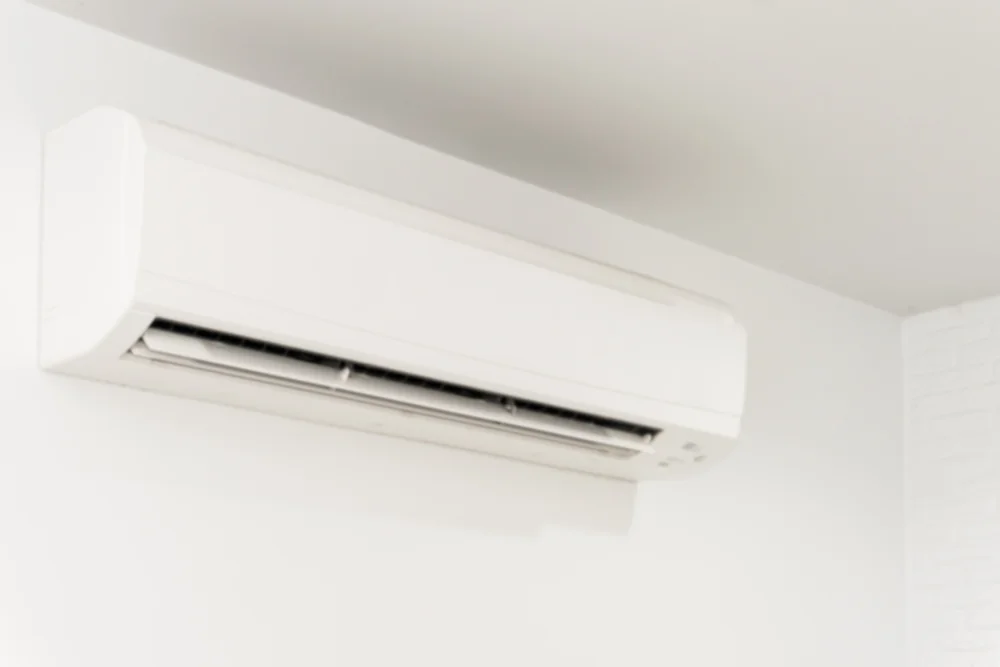
Replacing an older split system is not only about avoiding repairs. A newer unit can improve comfort, reduce running costs and provide features that older systems may not have.
The benefits are usually most noticeable when the existing unit is inefficient, noisy, poorly sized or no longer keeping the room comfortable.
Lower Running Costs and Better Efficiency
Modern split systems are generally more energy efficient than older units. Current inverter technology allows the compressor to adjust its output instead of constantly switching on and off at full power. This helps the system maintain a steadier temperature while using less electricity.
For households that use air conditioning frequently, improved efficiency can make a real difference over time. The savings will vary depending on the size of the system, how often it is used, electricity rates and the condition of the old unit, but lower running costs are one of the main reasons many homeowners choose to upgrade.
Improved Comfort and Airflow
Newer split systems are designed to deliver more consistent comfort. They can usually maintain temperature more accurately, distribute air more evenly and operate with less noticeable cycling.
This can make a room feel more comfortable, especially during hot weather when an older unit may struggle to keep up. Better airflow control can also reduce hot and cold spots, particularly in bedrooms, living areas and home offices.
Many modern systems also include quieter modes, improved fan settings and better air direction control, which can make daily use more comfortable.
Better Filtration and Modern Features
Newer split systems often include improved filtration compared with older basic mesh filter designs. Depending on the model, this may help capture finer dust, some allergens and odours more effectively.
Modern units may also include features such as Wi-Fi control, app access, timers, scheduling and sleep modes. These features can help reduce unnecessary run time and make the system easier to manage.
Wi-Fi control is not essential for every home, but it can be useful for switching the unit on before arriving home, adjusting settings from another room or setting schedules to avoid leaving the system running longer than needed.
Can Smart Controls Be Added to an Older Split System?
In some cases, smart controls can be added to an older split system without replacing the whole unit. This may be possible through a Wi-Fi infrared controller that works like a universal remote, or through a compatible brand-specific controller.
This can add convenience, such as app control, scheduling and remote on/off functions. However, smart controls do not fix poor performance, worn parts or high running costs. They only change how the system is controlled.
If the split system is still in good condition, adding smart controls may be a reasonable upgrade. If the unit is already unreliable, inefficient or close to the end of its service life, it is usually better to put that money towards a new system with modern controls already built in.
How to Make the Right Decision for Your Home
The choice between repair and replacement should be based on the full condition of the system, not just the immediate fault. A repair may be the right choice for a newer or well-maintained unit with an isolated issue. Replacement is usually more sensible for an older system with repeated faults, poor efficiency or declining comfort.
Before deciding, it helps to consider:
- the age of the unit
- how often it has needed repairs
- whether it still reaches the set temperature
- whether running costs have increased noticeably
- the cost of the repair compared with a new system
- whether parts are still readily available
- whether the unit is correctly sized for the room
- any upcoming renovation, extension or home sale plans
If the existing system is undersized, badly positioned or no longer suitable for the room, repairing it may not solve the underlying problem. In that case, replacing it with a correctly sized and properly installed unit may deliver better long-term performance.
For homeowners planning to stay in the property for several more years, a modern and efficient split system can be a worthwhile investment. For those planning to sell soon, a modest repair may be enough if the system is otherwise functional and reliable.
Deciding whether to repair or replace an older split system comes down to balancing short-term cost with long-term comfort, efficiency and reliability. A system that is less than 10 years old, well maintained and affected by a minor isolated fault may still be worth repairing. However, a unit that is more than 10 to 15 years old, breaking down regularly, costing more to run or struggling to keep the home comfortable is often better replaced.
By looking at the system’s age, repair history, performance and running costs together, homeowners can make a clearer decision and avoid spending money on repairs that may not provide lasting value.
We Run Our Business Like a Family
When You Need Help
Get your home the Air Conditioning work it needs from our team at All Coast Air Conditioning. We’re always ready to help.


