
An air conditioner that repeatedly trips the circuit breaker can quickly become more than an inconvenience, particularly during hot weather when reliable cooling is essential. Frequent trips can indicate an electrical overload, a faulty component or a problem with the circuit supplying the system and repeatedly resetting the breaker can increase the risk of equipment damage and electrical hazards.
All Coast Air Conditioning helps identify the common causes behind repeated breaker trips and understand when professional attention is needed. For households relying on air conditioning in Central Coast, recognising warning signs such as unusual noises, burning smells, poor airflow or frequent shutdowns can help prevent minor problems from developing into costly repairs.
Knowing how circuit loads, air conditioner components and electrical faults contribute to breaker trips makes it easier to respond safely and protect the performance and lifespan of the system.
What Happens When Your Air Conditioner Trips the Circuit Breaker?
When an air conditioner trips the circuit breaker, the electrical system is responding to a condition that may be unsafe. The breaker cuts power when it detects excessive current or an electrical fault, helping protect the wiring, air conditioner and occupants from overheating, equipment damage and potential fire or electric shock.
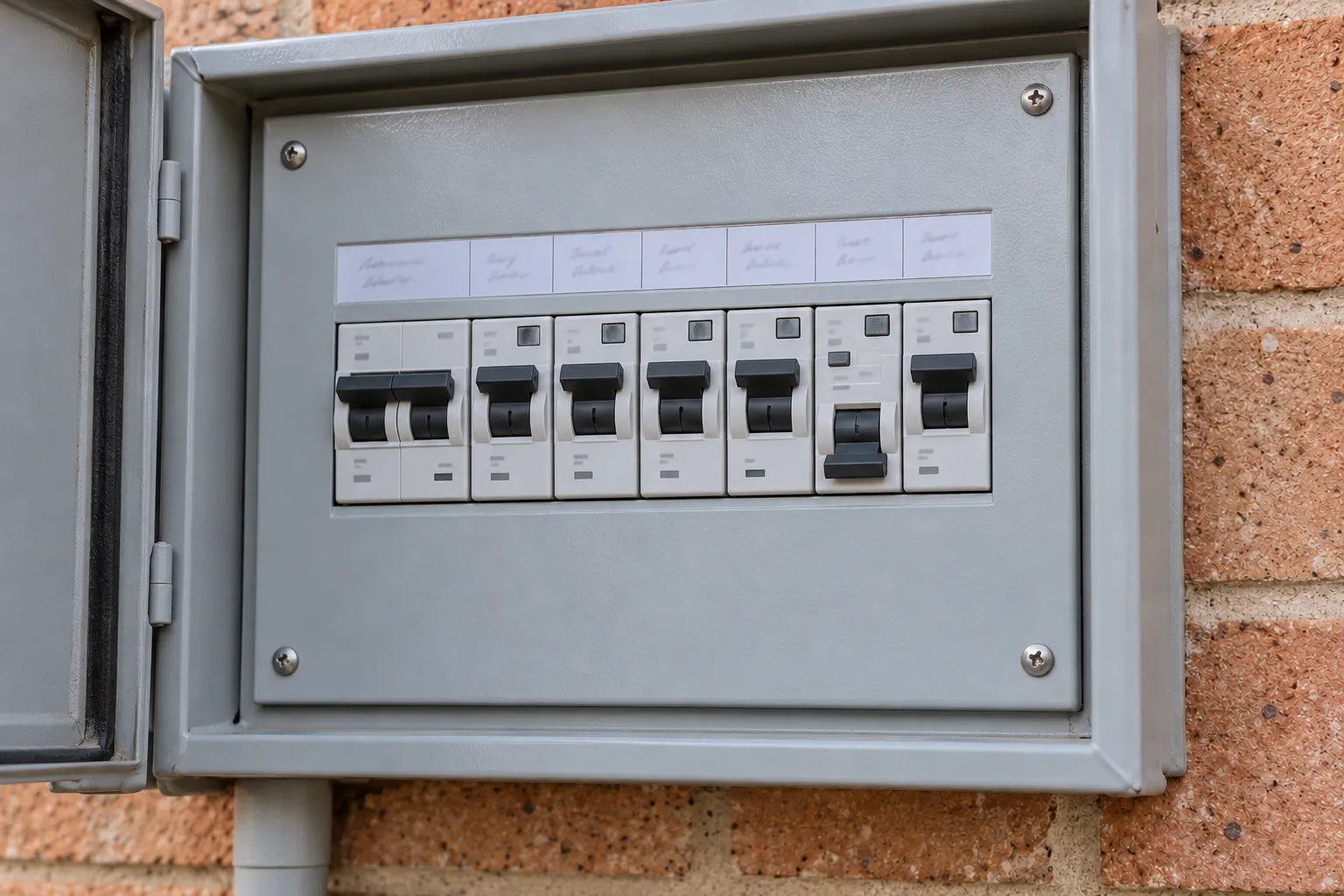
NSW Government electrical safety guidance explains that circuit breakers protect wiring and circuits, while safety switches help protect people from severe electric shock.
A trip can occur for several reasons, including:
- The air conditioner is drawing excessive current due to a faulty or overloaded component
- Too many appliances are sharing the same circuit
- There is a short circuit, earth fault or wiring problem
- An electrical disturbance has affected the system or caused a component fault
Once the breaker trips, the air conditioner will stop operating until power is restored. While an isolated trip can occur when the system is under unusually high demand during extreme heat, repeated tripping is a warning that the underlying cause needs attention.
Can an Overloaded Circuit Cause the Air Conditioner to Trip?
Yes, an overloaded circuit can cause an air conditioner to trip the circuit breaker. If the air conditioner shares a circuit with other high-demand appliances, the combined electrical load can exceed the circuit's capacity. The compressor can also draw higher starting current when the system switches on, making a trip more likely if the circuit is already heavily loaded.
Signs of an overloaded circuit can include the breaker tripping when other appliances are running, lights dimming when the air conditioner starts, or several high-demand appliances sharing the same circuit. Larger air conditioning systems may require a dedicated circuit designed to handle their electrical demand.
If an overloaded circuit is suspected, a licensed electrician can measure the actual current draw and check whether the wiring and breaker are correctly sized for the air conditioner. A higher-rated breaker should never be installed simply to prevent tripping, as the protective device must remain matched to the circuit wiring and electrical requirements.
Can a Faulty Capacitor, Motor or Compressor Trip the Breaker?
Yes, a faulty capacitor, fan motor or compressor can cause an air conditioner to trip the circuit breaker. When these components become worn, damaged or mechanically restricted, they may draw more electrical current than normal. The breaker can then disconnect the power to protect the circuit from excessive load and overheating.
Signs that an internal component may be causing the problem are:
- The outdoor unit hums or clicks, but the fan does not start
- The air conditioner makes unusual grinding or buzzing noises
- The system struggles to start or repeatedly starts and stops
- The fan runs, but the air conditioner does not cool properly
- The breaker trips shortly after the compressor starts
These symptoms require professional diagnosis because identifying a faulty capacitor, motor or compressor involves electrical testing and inspection. A technician can determine which component is responsible and recommend suitable air conditioning repairs or component replacement.
Can Restricted Airflow or a Dirty System Cause Electrical Overload?
Yes, restricted airflow or a dirty air conditioning system can contribute to electrical overload and repeated breaker trips. When filters, vents, coils or outdoor units are clogged, the system may need to work harder and run for longer to maintain the desired temperature. This can increase strain on the compressor and fan motors and contribute to overheating or higher electrical demand.
Understanding how dirty filters and ducts affect airflow can help homeowners recognise maintenance issues that place extra strain on the system.
Beware of the following causes:
- Dirty or clogged air filters
- Blocked supply or return vents
- Dirt and debris covering indoor or outdoor coils
- Vegetation or stored items restricting the outdoor unit
- Damaged, kinked or poorly installed ductwork
Regular maintenance can reduce the risk of airflow-related strain. Filters should be cleaned or replaced as recommended by the manufacturer, vents should remain unobstructed and the outdoor unit should be kept clear of debris and vegetation. If the breaker continues to trip after basic airflow issues have been addressed, professional inspection is needed.
Could a Faulty Circuit Breaker Be Causing the Air Conditioner to Trip?
Yes, a faulty or ageing circuit breaker can cause an air conditioner to trip even when the unit itself is operating normally. A worn or overly sensitive breaker may disconnect the circuit when the air conditioner starts or runs under a normal load, particularly when the compressor draws additional starting current.
Possible signs include repeated trips when other appliances are not placing a heavy load on the circuit, a breaker that feels unusually warm, visible discolouration or damage around the switch, or a breaker that will not remain on. These symptoms can also indicate an air conditioner or wiring fault, so the breaker should not be assumed to be the cause without testing.
Professionals can check the breaker, measure the circuit's current draw and inspect connections for signs of overheating or damage. If the breaker is faulty, it should be replaced with the correct type and rating for the existing wiring and air conditioner.
Can Electrical Wiring Problems Cause an Air Conditioner to Trip?
Yes, electrical wiring problems can cause an air conditioner to trip the circuit breaker. Loose connections, damaged insulation, incorrect cable sizing and poor previous electrical work can interfere with the safe flow of current, causing overheating, short circuits or earth faults.
Warning signs of a wiring fault can be:
- Burning or melted-plastic smells
- Buzzing or crackling sounds
- Scorch marks or discoloured electrical components
- Visible cable or insulation damage
- Lights flickering or dimming when the air conditioner starts
- Repeated breaker trips during air conditioner operation
Electrical faults should not be ignored. Experts can inspect the wiring, test the circuit under load and check that the cabling and protective devices are correctly matched to the air conditioner. If a fault is found, the wiring or connection problem should be corrected rather than installing a higher-rated breaker. Repairs or alterations to the air conditioner’s fixed wiring must be carried out as licensed electrical work by a suitably qualified electrician.
Can Power Surges or Voltage Fluctuations Trip an Air Conditioner?
Yes, electrical disturbances can contribute to air conditioner breaker trips, although they may not directly cause the breaker to trip in every situation. A sudden change in the electrical supply can stress components. In some cases, the disturbance may damage a component or create a fault that then causes the breaker to disconnect the circuit.
An isolated trip after a known blackout, power surge or other electrical disturbance does not necessarily mean the air conditioner has a major fault. However, repeated trips, when other appliances are also affected, should be investigated.
Signs of a Power Issue
A power-related problem may be more likely if the air conditioner trips when power is restored or several appliances experience problems at the same time. Other signs can include:
- Lights flickering or dimming unexpectedly
- Several appliances switching off at the same time
- The air conditioner tripping shortly after a blackout
- Repeated trips during unstable power conditions
- Signs of overheating or electrical damage
These symptoms can also occur with wiring, breaker or air conditioner faults, so professional testing may be needed to identify the actual cause.
What to Do After a Power Disturbance
If the air conditioner continues to trip after the electrical supply has stabilised, it should be inspected rather than repeatedly reset. A qualified technician or electrician can determine whether the problem is related to the air conditioner, circuit, breaker or incoming electrical supply.
Why You Should Not Keep Resetting a Tripped Circuit Breaker
A tripped circuit breaker is a safety response to a possible electrical overload, short circuit or fault. Repeatedly resetting it without identifying the cause does not fix the underlying problem and can increase the risk of overheating, equipment damage, electric shock or fire.
Fire and Electrical Damage
Repeated trips can indicate faulty compressors or fan motors, damaged wiring, loose connections or other electrical problems. Continuing to restore power may place further stress on affected components and connections, increasing the risk of overheating, arcing and additional damage.
Air Conditioner Damage
Repeatedly restarting an air conditioner under fault conditions can place additional strain on compressors, motors, capacitors and control components. A relatively minor fault can become more serious if the system continues operating without being properly diagnosed.
Safety Risks
Electrical faults can create risks of overheating, arcing and electric shock, particularly if someone attempts to inspect or repair the system without the appropriate qualifications. If the air conditioner trips the breaker more than once, it is safer to leave the circuit off and arrange professional inspection.
When Should You Call a Professional to Inspect the Air Conditioner?
An occasional breaker trip does not always indicate a serious fault, but repeated tripping should not be ignored. Increased demand during extreme heat can place more strain on an air conditioner and may expose an existing problem, while persistent trips indicate that the system or electrical circuit needs further assessment.
Professional attention is important when there are signs such as:
- Burning smells, scorch marks or melted insulation
- Buzzing, crackling or unusual mechanical noises
- A breaker that feels unusually warm or will not stay on
- The air conditioner trips immediately when starting
- Visible damage to wiring, switches or electrical components
- Repeated trips despite clean filters and clear airflow
- Previous DIY or unqualified electrical work
- New electrical problems in an older system
These symptoms can indicate faults with different electrical components. A technician or electrician can test the air conditioner and its circuit to identify the cause and determine the appropriate repair. If there is a burning smell, visible electrical damage or suspected fire risk, the system should remain switched off until it has been assessed.
How Can You Prevent Your Air Conditioner From Tripping the Circuit Breaker?
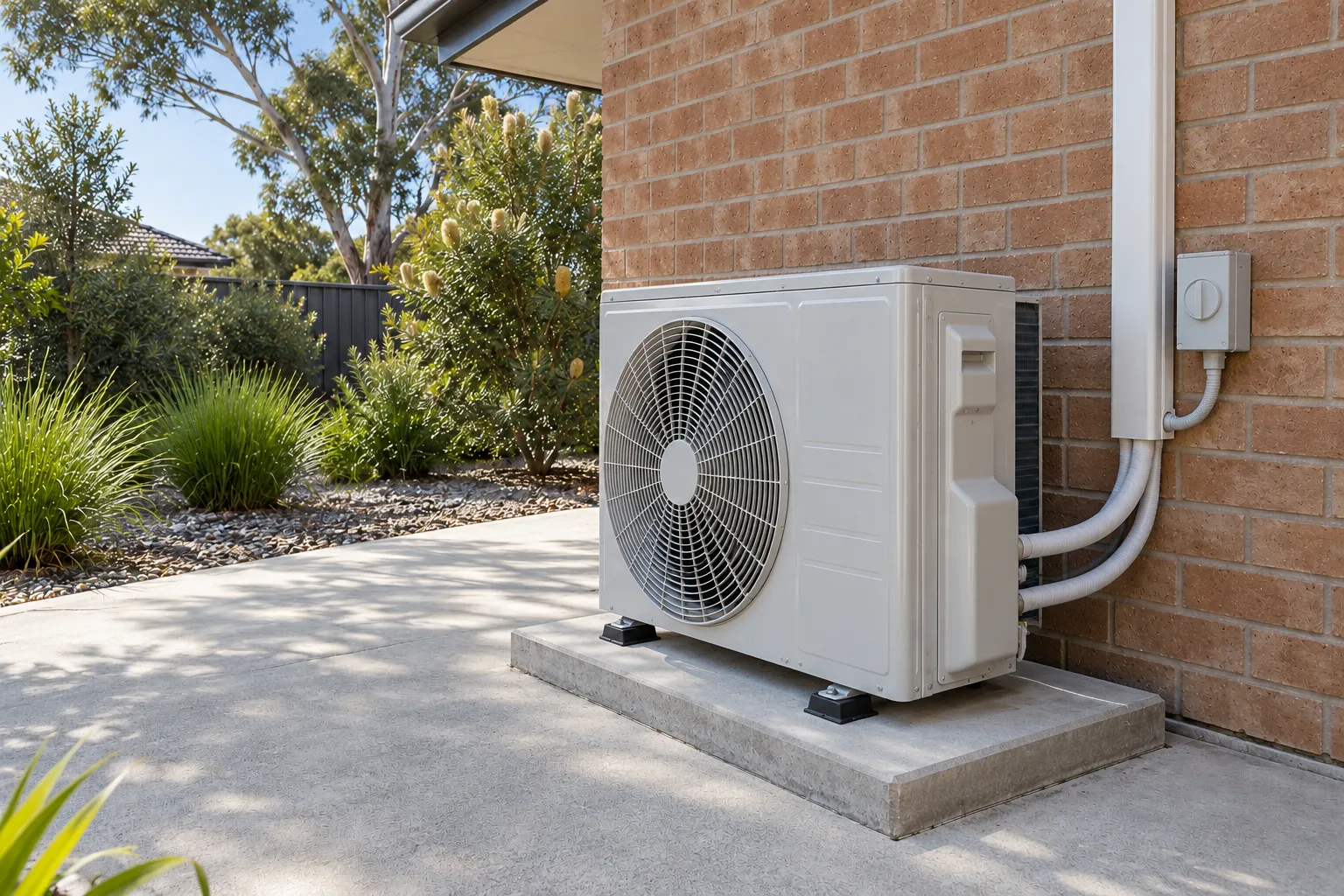
Preventing repeated breaker trips starts with keeping the air conditioner maintained, allowing adequate airflow and ensuring the electrical circuit can safely handle the system's load. The breaker should not be bypassed or replaced with a higher-rated device simply to stop it from tripping, as repeated trips usually indicate an underlying problem.
Practical ways to reduce the risk include:
- Keep filters and vents clear: Clean or replace filters as recommended and keep supply and return vents unobstructed. The outdoor unit should also be free from excessive vegetation, debris and stored items.
- Avoid overloading the circuit: High-demand appliances sharing the air conditioner's circuit can increase the total electrical load. Electricians can check whether the circuit is correctly sized and whether a dedicated circuit is required.
- Schedule regular servicing: Professional maintenance can identify worn capacitors, motors, compressors, electrical connections, dirty coils and other issues before they contribute to excessive electrical demand.
- Address warning signs promptly: Burning smells, buzzing sounds, flickering lights, visible electrical damage or repeated breaker trips should be investigated rather than ignored.
If the breaker continues to trip despite clear airflow and normal appliance use, the circuit and air conditioner should be inspected. Identifying and correcting the underlying fault is the safest way to prevent further trips and maintain reliable operation.
An air conditioner that repeatedly trips the circuit breaker should not be treated as a minor inconvenience. Electrical overloads, faulty components, restricted airflow, damaged wiring and breaker problems can all contribute to repeated trips, while constantly resetting the breaker may increase the risk of further damage and electrical hazards.
Regular maintenance, clean filters and clear airflow can help prevent avoidable problems, while unusual noises, burning smells or frequent shutdowns should be investigated promptly. When the cause involves the breaker, wiring, compressor, capacitor or motor, All Coast Air Conditioning can assess the system and identify the appropriate solution to restore safe, reliable cooling.
We Run Our Business Like a Family
When You Need Help
Get your home the Air Conditioning work it needs from our team at All Coast Air Conditioning. We’re always ready to help.


