
Effective air conditioning maintenance in Central Coast homes and businesses involves more than servicing the outdoor unit or adjusting thermostat settings. Some factors affecting system performance are hidden from view, particularly air filters and ductwork. These maintain airflow, energy efficiency, indoor air quality and overall system reliability. When filters become clogged, or ducts accumulate dust, debris or leaks, the entire system must work harder to achieve the same level of comfort.
At All Coast Air Conditioning, regular inspections often reveal that many performance issues stem from neglected filters and ductwork rather than major equipment faults. This article explains what happens inside an air conditioning system when these areas are not properly maintained, how restricted airflow affects cooling performance and energy consumption and the warning signs that indicate professional attention may be required.
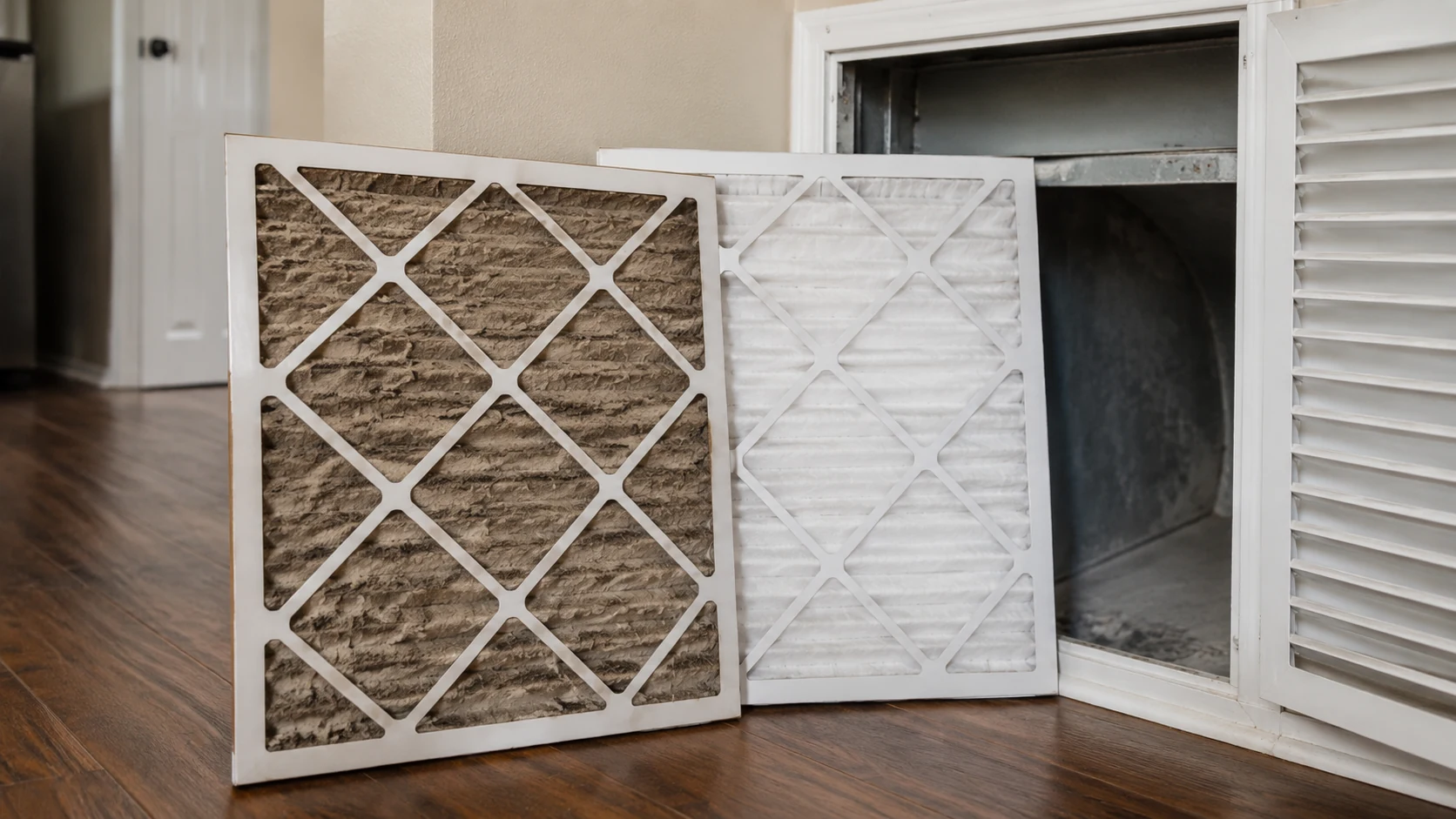
How Dirty Filters Restrict Airflow
Dirty air conditioner filters act like a blocked nose for the system. As dust, pet hair and debris build up on the filter media, the fan must strain to pull air through a reduced opening, which slows airflow to a trickle compared with a clean filter. This restriction affects every part of the unit, from energy use and comfort to the health of components.
In coastal and regional areas, where homes often deal with extra dust, salt and indoor pollutants, filters can load up quickly. When that happens, air volume drops, rooms take longer to cool and the system runs harder and hotter than it was designed to, shortening its effective lifespan.
The Mechanics of Airflow Restriction
An air conditioner relies on a steady volume of air moving across the indoor coil. The fan is designed to push a certain amount of air at a particular resistance level. As a filter becomes clogged, that resistance rises sharply. The fan still tries to move the same airflow, but the blockage means less air actually gets through the grille.
This reduced airflow creates an imbalance. The coil surface is still cold, but there is not enough warm room air passing over it. As a result, the refrigerant in the coil does not absorb heat efficiently. The system must extend its run time to reach the set temperature, driving up energy consumption.
In extreme cases, an overloaded filter can collapse or get sucked into the return air opening. This can lead to pieces of filter media being drawn into the duct or indoor unit, causing additional obstruction and may damage the blower wheel or coil fins.
Impact on Comfort and Energy Bills
Airflow is directly linked to comfort. With a restricted filter, air exits the supply vents at a lower volume and often at uneven temperatures. Some rooms may still feel cool near the vent, while others never reach the set point. Hot and cold spots become more noticeable, especially on upper levels and in rooms furthest from the indoor unit.
Because the thermostat only measures temperature, it keeps calling for cooling until the target is met. The airflow is choked by a dirty filter that can take significantly longer. Every extended cycle means more electricity is used for the same result. Over a summer season, the extra runtime from a neglected filter can add a substantial amount to energy bills.
Stress on Components and Risk of Freeze-Ups
Low airflow forces the indoor coil to operate below its intended temperature. If the filter is heavily blocked, the coil surface can drop low enough for condensation to freeze instead of draining away. Ice builds across the coil and further blocks airflow, which quickly compounds the problem.
Once icing starts, the unit may blow very weak or warm air from the vents and leak water around the indoor unit.
The compressor and fan motors also experience extra strain. They work longer hours under higher pressure and heat, accelerating wear in bearings, windings and electrical components. Regular filter changes or cleaning keep airflow within the design range and help prevent nuisance breakdowns, along with expensive repairs.
What Happens When Dust and Debris Build Up in Ductwork
When dust, lint and other particles accumulate inside air conditioning ducts, the entire system is forced to work harder to move air through the restricted passages. Eventually, this build-up quietly undermines comfort, air quality and energy efficiency while increasing wear on key components. The problem often develops gradually, so its impact is rarely noticed until utility bills rise or comfort drops.
Duct contamination also acts as a reservoir for allergens and fine particles that are repeatedly recirculated through the home. Even with a good filter at the return grille, heavy build-up inside supply and return ducts reduces the effectiveness of filtration and undermines the benefits of a well-maintained unit.
Reduced Airflow and Uneven Cooling
Dust and debris clinging to the inner surfaces of ductwork narrow the effective diameter of the ducts. In areas where ducts change direction around bends or at junctions, deposits form thicker layers that further slow airflow.
The system’s fan must work harder to push air through partially blocked ducts, increasing energy use and speeding up wear on motors and bearings. Airflow can drop below the level required for proper coil performance, leading to icing on the indoor coil and frequent cycling off on safety limits.
Recirculated Dust and Poor Indoor Air Quality
Ductwork coated in dust acts as a continuous source of airborne particles. Each time the fan starts, a portion of this material is lifted and blown back into living spaces. This can be problematic for people with asthma, hay fever or dust sensitivities.
Common signs include visible dust blowing from vents, a stale or dusty smell when the system starts and the need to clean surfaces more often. Pet hair, renovation dust and fibres from carpets or furnishings can all settle in ducts and then repeatedly re-enter the air. Even if the filter at the return is changed regularly, heavy contamination downstream in the supply ducts bypasses that protection and directly affects indoor air quality.
Increased Moisture Problems and Microbial Growth
Where there is humidity or condensation inside ducts, dust deposits provide a food source for mould spores and bacteria. This is more likely in duct runs that pass through hot roof spaces or damp subfloors or in systems with poor insulation around the ducts.
Once microbial growth begins, surfaces inside the ductwork can develop a musty odour that becomes noticeable whenever the system operates. Some occupants may experience irritated sinuses, headaches or aggravated respiratory symptoms. In addition, mould and biofilm inside ducts can further roughen internal surfaces, trapping more dust and worsening airflow problems, creating a cycle of deterioration that only proper cleaning and moisture control can break.
Signs Your Air Conditioner Needs Attention
An air conditioner rarely fails without warning. Long before it stops, a neglected filter or dirty duct system will usually show clear signs that something is wrong. Recognising these early symptoms can prevent expensive repairs, reduce energy bills and improve indoor comfort and air quality.
Most warning signs relate to airflow comfort and unusual behaviour from the unit. When several of these appear at once, it often points to clogged filters or contaminated ductwork rather than a single faulty part. Addressing these issues promptly helps extend the life of the system and keeps performance consistent through peak summer conditions.
Weak or Inconsistent Airflow
One of the first signs of a neglected filter or duct is reduced airflow from the indoor vents. Air may feel weak even when the fan is set to high, or some rooms may cool much less than others.
A heavily loaded filter restricts air returning to the unit. Dust accumulation or dislodged insulation inside ducts can narrow the path even further. In two‑storey homes, the upper floor might feel stuffy while the lower level stays relatively cool, indicating airflow restrictions rather than incorrect system size.
If vents are fully open yet air feels faint or uneven across the home and the outdoor unit runs for long periods without achieving the set temperature, the system is almost certainly working harder than it should.
Rising Energy Bills and Longer Run Times
A neglected air conditioner often shows up first on the power bill. When filters or ducts are dirty, the system must run for much longer to deliver the same level of cooling. The compressor and fan motors consume more electricity while achieving less cooling output.
Indicators include:
- Noticeably higher energy bills compared with the same season last year, under similar usage
- The unit is frequently running for extended cycles to reach the thermostat setting
- Short periods of comfort followed by a rapid temperature rise once the unit switches off
These patterns frequently point to airflow restrictions rather than an immediate need to replace major components. Restoring proper airflow by cleaning or replacing filters and addressing duct issues can return run times and energy use to normal.
Unusual Noises, Odours or Dust Buildup
Changes in sound or air quality often signal that filters and ducts need attention. A whistling noise near return air grilles can indicate the unit is struggling to pull air through a blocked filter. Rattling or fluttering sounds from the ceiling area may be caused by loose duct insulation or flexible ducts being pulled in by high static pressure.
Musty or stale smells when the system first starts are often linked to dust and moisture inside ducts or long‑overdue filter changes. Persistent odours warrant prompt investigation, as organic growth can develop on accumulated debris in damp duct sections.
Visible dust streaks or dark marks around supply vents are another clear warning sign. These marks show where air has been forcing dust out of the duct and onto surrounding surfaces, indicating poor filtration or a build-up of contaminants inside the duct system itself.
How Poor Maintenance Can Affect Efficiency and Running Costs
Air conditioning systems are designed to move a specific volume of air through clean filters and clear ducts. When filters are clogged, or ducts are dirty or leaking, the system must work harder to deliver the same level of comfort. This extra workload directly reduces efficiency and pushes running costs higher month after month.
Poor maintenance does not usually cause sudden failure at first. Instead, it quietly increases energy use, shortens component life and degrades performance. Power bills climb as the system runs longer cycles to compensate for restricted airflow and heat transfer problems.
Increased Energy Use from Restricted Airflow
Dirty filters are one of the most common causes of reduced efficiency. As dust and debris build up, air struggles to pass through the filter. The indoor fan has to work harder to pull air across the coil and the system runs for longer to reach the set temperature.
A badly blocked filter can increase energy consumption by 10 to 20% or more. The air conditioner may still cool, but it will take longer to do so. Rooms can develop hot and cold spots as airflow becomes uneven, especially in larger homes or multi‑room systems.
Dust buildup on coils and inside ducts has a similar effect. Insulated layers of dirt on the indoor coil act like a blanket, reducing heat transfer so less heat is removed from the air each pass. The system responds by running longer cycles and drawing more power, often without the occupant realising the cause.
Shorter System Life and More Frequent Repairs
When airflow is restricted, pressures and temperatures inside the system drift away from ideal operating levels. Compressors, fans and electronic components are then exposed to higher stress.
The compressor in particular is vulnerable. Poor airflow can cause it to run hotter and for longer periods. This increases the likelihood of costly failures such as burned windings or damaged valves. Blower motors can also overheat as they struggle to push air through clogged filters or narrowed ductwork.
Neglected ducts that leak conditioned air into ceilings or under floors force the system to run extra cycles to make up for lost output. This extra runtime not only consumes more energy, but it also adds hours of operation to all moving parts, reducing their lifespan and increasing the frequency of service calls.
When Filters Should Be Cleaned or Replaced
Knowing exactly when to clean or replace air conditioner filters prevents strain on the system and avoids sudden drops in comfort. The right timing depends on the filter type, how heavily the system is used and the conditions inside the property.
A simple calendar reminder is rarely enough. Visual checks, performance changes and specific environmental factors all indicate when attention is due. Ignoring these signs leads directly to reduced airflow, higher energy bills and avoidable wear on the unit.
General Timeframes for Different Filter Types
Most residential systems use one of three common filter types and each has a different service interval.
Basic disposable panel filters usually need replacement every 4 to 6 weeks in peak cooling season. These filters have limited dust-holding capacity and clog quickly in homes with pets or nearby construction.
Pleated disposable filters often last 2 to 3 months under normal conditions. Although they capture finer particles, pleated filters can also restrict airflow more as they load up, so extended use beyond the recommended period is risky.
Washable or reusable filters should typically be cleaned every 4 weeks. Even if they appear lightly soiled, fine dust trapped in the fibres or mesh can still impede airflow. After several years, the material can deteriorate and replacement is normally required.
Usage and Household Factors That Shorten Filter Life
Real-world conditions often mean filters need attention more frequently than generic guidelines suggest.
In homes with one or more indoor pets, hair and dander accumulate quickly in the return air stream. Expect to replace or clean filters up to twice as often during shedding seasons.
Allergy or asthma sufferers benefit from cleaner filters and higher-efficiency media. For such households, a conservative interval of 4 to 6 weeks for disposable pleated filters is advisable during peak pollen periods, even if the filter looks only moderately dirty.
High use of the air conditioner fills the filter faster as more air passes through it. Rental properties or share houses can also load filters quickly due to more occupants, more laundry and more cooking vapour.
Nearby roads with heavy traffic or local building work increase airborne dust that is pulled into the system. Monthly inspections are recommended regardless of filter type.
Practical Signs a Filter Needs Attention Now
In addition to time-based schedules, several clear warning signs indicate a filter should be cleaned or replaced immediately.
Noticeable reduction in airflow from supply vents often points to a blocked filter, particularly if the system is still running but rooms take longer to cool. A sudden increase in energy bills without a change in usage pattern can also indicate that the fan and compressor are working harder against a clogged filter.
Visible dust buildup on the filter surface or dark grey patches across the media mean the filter is past its effective service life. Any sign of warping, sagging or damage is grounds for immediate replacement.
Increased dust settling on furniture or more frequent sneezing or irritation among occupants may suggest the filter is no longer capturing fine particles effectively, even if it does not look fully blocked. Regular monthly visual checks ensure these signs are caught early before they turn into system problems.
When Your Ductwork May Need to Be Inspected
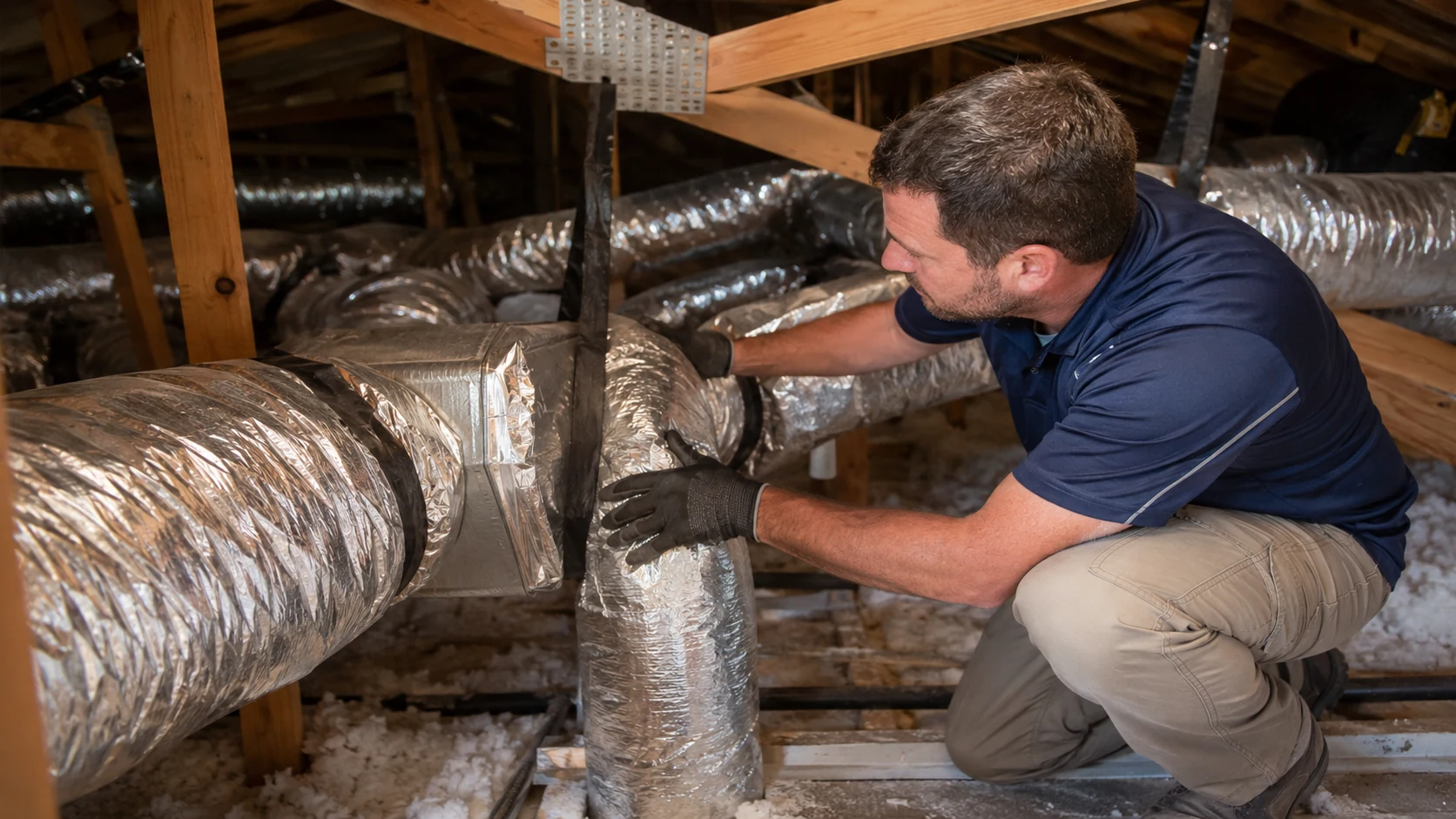
Ductwork sits out of sight inside ceilings, wall cavities and roof spaces so problems can quietly build until comfort and energy bills are noticeably affected. Knowing the warning signs that call for a professional duct inspection helps prevent small issues from turning into costly repairs or early system failure.
Inspection is especially important in climates that rely on air conditioning for long periods of the year. Long run times magnify the impact of leaks, dust build‑up and moisture inside the ducts. The following signs indicate that the duct system should be checked.
Uneven Temperatures and Weak Airflow
Rooms that never feel as cool as the rest of the home often point to duct problems rather than the air conditioner itself. If some areas are consistently warmer even when doors and windows are closed, there may be:
- Crushed or disconnected flexible ducts
- Loose joints that leak conditioned air into the roof space
- Design issues such as undersized or overly long runs
Weak airflow from certain supply vents, while others feel normal, is another clear indicator. A professional inspection can identify whether the issue is a blockage, such as a collapsed lining, a closed damper or a leak that is diverting air before it reaches the room.
Rising Energy Bills and Longer Run Times
A sudden or steady increase in electricity use without any change in thermostat settings or household habits often signals duct leakage. Conditioned air that escapes into the roof space or wall cavities forces the system to run longer to reach the target temperature.
If the air conditioner seems to run almost continuously on mild days or cycles on and off frequently, yet comfort does not improve, the ducts should be examined. Technicians can pressure test the system, measure airflow and visually check for loose connections, gaps around plenums and deteriorated duct insulation that reduces efficiency.
Dirty filters and neglected ductwork can have an impact on the overall air conditioning system. Restricted airflow forces components to work harder, increases energy consumption, reduces comfort and can contribute to premature wear or costly repairs. At the same time, contaminated or damaged ducts can compromise indoor air quality, create uneven temperatures and make it more difficult for the system to operate. Regular filter cleaning or replacement helps maintain proper airflow, supports efficient operation and reduces the risk of avoidable breakdowns.
We Run Our Business Like a Family
When You Need Help
Get your home the Air Conditioning work it needs from our team at All Coast Air Conditioning. We’re always ready to help.


