
Choosing the right air conditioning for Central Coast homes involves more than comparing cooling performance. Local weather patterns, seasonal temperature changes, humidity levels and the design of the property all influence which system delivers the best balance of comfort, efficiency and value. All Coast Air Conditioning understands the importance of selecting a system that suits both the home and the local climate.
This article compares reverse-cycle and cooling-only air conditioning systems, including how each option works, where each may be suitable, what to consider with running costs and how system type can affect comfort across the year.
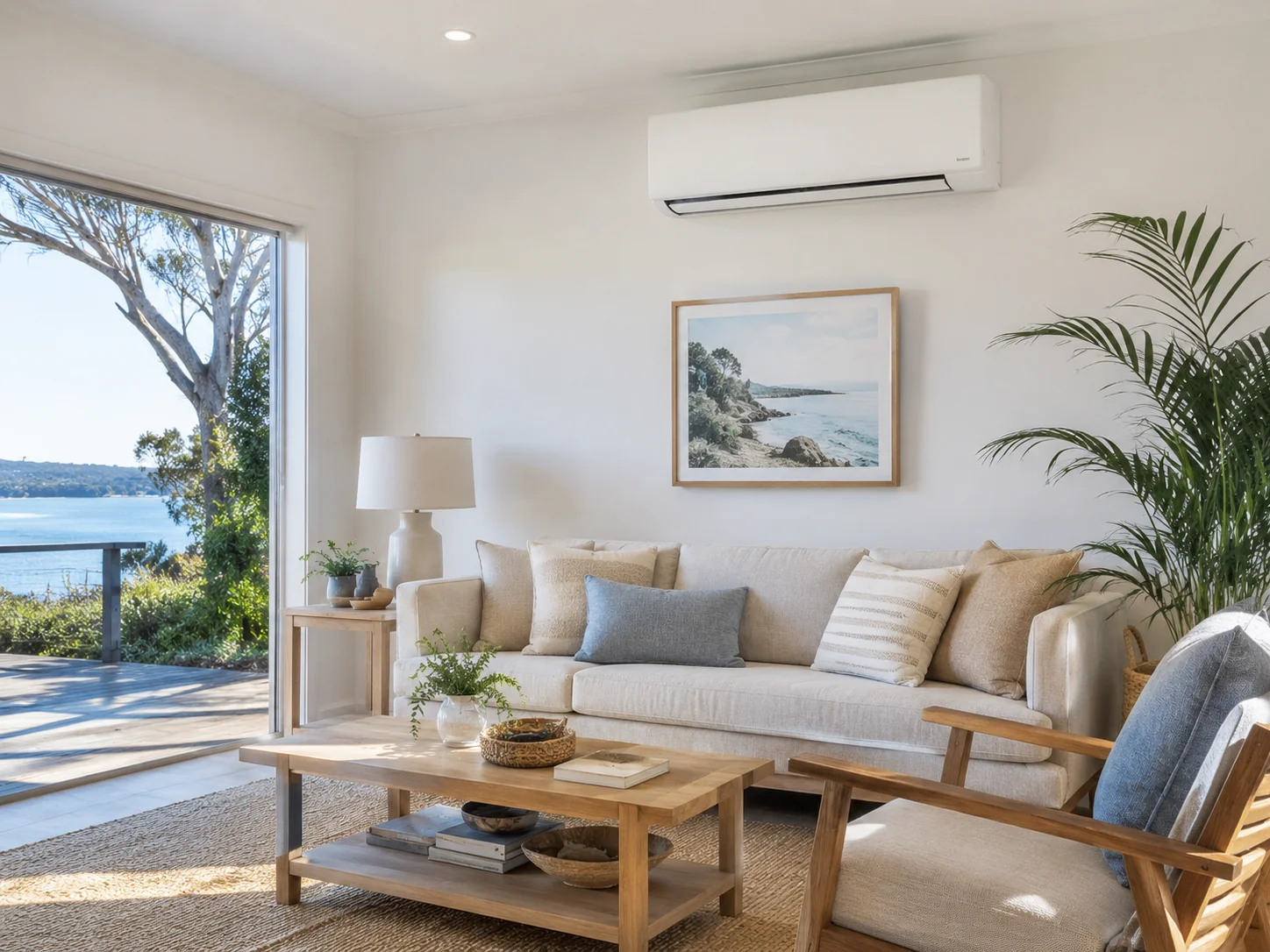
What Is the Difference Between Reverse-Cycle and Cooling-Only Air Conditioning?
Reverse-cycle and cooling-only systems both keep homes comfortable in summer, yet they operate differently and offer different year-round benefits. Understanding what each system can and cannot do is important before choosing air conditioning for a specific property.
At the simplest level, a cooling-only unit provides chilled air in warm weather, while a reverse-cycle unit can cool in summer and heat in winter using the same indoor and outdoor units.
How Each System Works
A cooling-only air conditioner is designed to run in one direction. Warm indoor air passes over a cold evaporator coil, where refrigerant absorbs the heat and carries it outside. The heat is released through the outdoor condenser unit, leaving cooler, drier air inside the home. However, the process cannot be reversed to provide heating.
A reverse-cycle air conditioner uses a similar layout but includes a reversing valve. This component changes the direction of refrigerant flow. In summer, the system works like a standard cooling-only unit. In winter, the cycle reverses so the outdoor unit extracts heat from the outside air and transfers it indoors.
Even on cold mornings, there is usually enough heat in the outside air for a reverse-cycle system to operate efficiently. This makes it a practical option for homes that need both cooling and heating from one system.
Heating Capability vs Cooling-Only Operation
The most important practical difference is that a cooling-only system cannot heat the home. Any heating must come from a separate appliance, such as electric panel heaters, gas heaters, portable heaters or another dedicated heating system.
A reverse-cycle unit acts as both an air conditioner and a heater. In winter, it delivers warm air at the touch of a button without the need for separate gas lines or portable heaters. This dual function is one reason many new homes and renovations now include reverse-cycle systems instead of stand-alone cooling.
Reverse-cycle systems are also recognised as one of the most energy-efficient forms of electric heating. They move heat rather than generate it directly, meaning they can deliver several units of heating output for every unit of electricity used. By contrast, plug-in electric heaters convert electricity directly into heat and often cost more to run for the same level of comfort.
Installation Cost, Maintenance and Practical Use
Cooling-only systems are generally cheaper to purchase and install than comparable reverse-cycle units. For homes that genuinely do not need heating, a cooling-only system may be sufficient and cost-effective.
However, many Central Coast homes still experience cool winter nights and early mornings. In these conditions, reverse-cycle air conditioning can provide better overall value because it avoids the need for separate heating appliances, reduces clutter from portable heaters and allows one system to manage comfort across the year.
Maintenance requirements are similar for both system types. Filters need regular cleaning, indoor and outdoor coils require periodic professional attention, and refrigerant circuits must remain leak-free. The reversing valve in a reverse-cycle system adds some complexity, but in modern units, it is a standard component when the system is installed and serviced correctly.
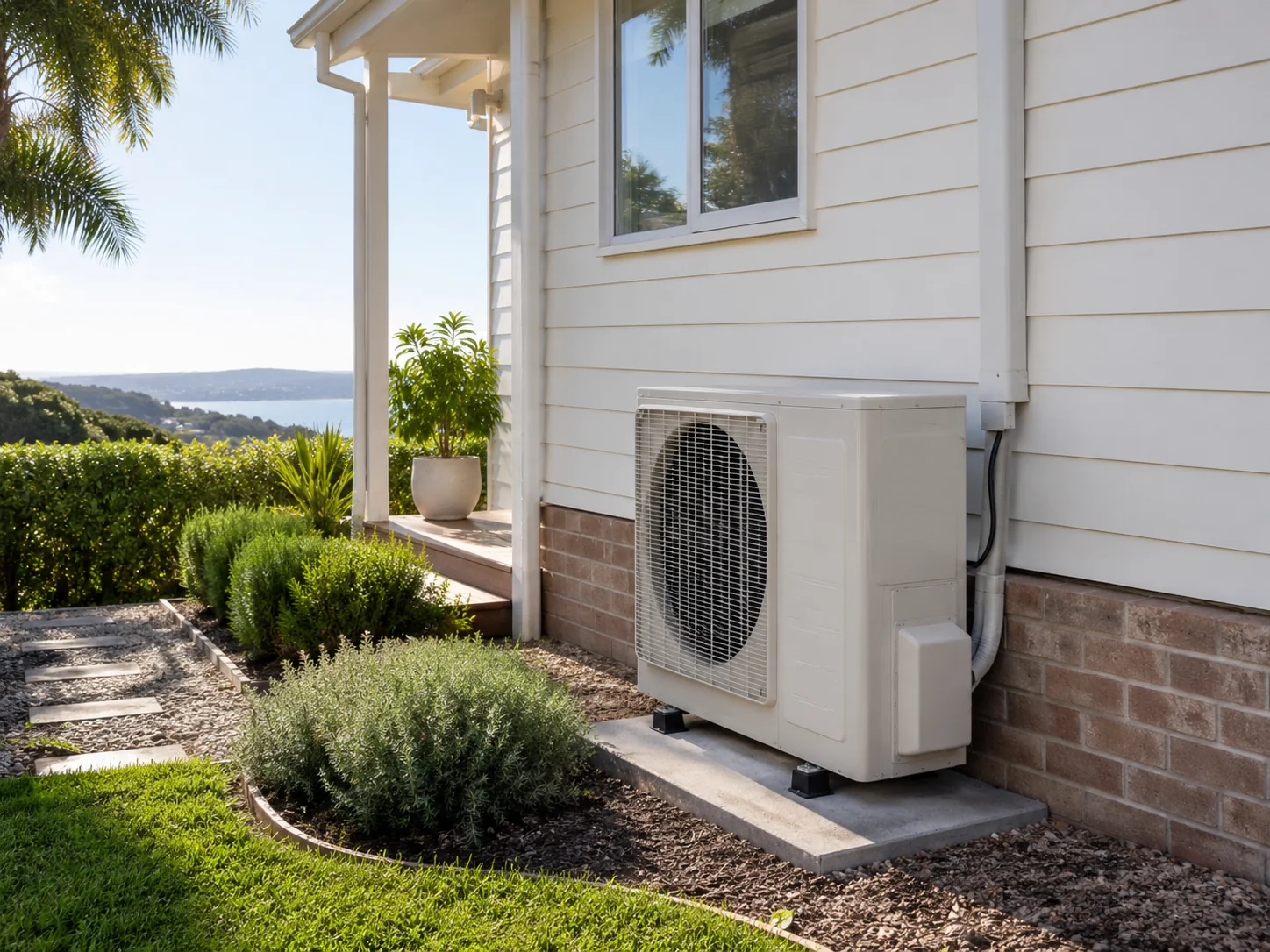
Why Central Coast Homes Often Need Heating and Cooling
Central Coast homes experience warm, humid summers and cooler winters, so many households need more than summer cooling alone. The local climate creates a need for reliable cooling during hot weather and comfortable heating during colder mornings, evenings and damp winter periods.
Choosing between reverse-cycle and cooling-only air conditioning starts with understanding how temperature changes, humidity and building design affect everyday comfort.
Local Climate and Seasonal Comfort
The Central Coast typically experiences warm to hot summer days with high humidity. Sea breezes can make some evenings more comfortable, but many indoor spaces still need mechanical cooling to remain usable during the day and overnight.
Winter is milder than inland NSW, but homes can still feel cold, especially in the early morning and evening. Timber homes on piers, older brick houses and beachside properties may feel colder inside than the outdoor temperature suggests. Coastal moisture can also make unheated rooms feel damp rather than simply cool.
Cooling-only systems can manage summer heat, but they do not help once the season changes. A reverse-cycle system gives the home a way to manage both conditions using one unit or one ducted system.
Coastal Building Styles and Insulation Gaps
Many coastal homes were designed primarily for summer airflow rather than winter warmth. Features that suit warm weather can work against winter comfort.
Common examples include:
- Large sliding doors and extensive glazing that lose heat overnight
- Elevated floors with air movement underneath
- Older or basic insulation that allows heat to escape quickly
- Open-plan layouts that are difficult to heat evenly with small portable heaters
Cooling-only systems cannot address winter heat loss. When outside temperatures drop, occupants may need to rely on portable electric heaters, gas heaters or other separate appliances. A reverse-cycle system can be a more practical solution for homes that need a reliable way to cool and heat the same rooms.
Lifestyle Patterns and Energy Costs
Many households use heating and cooling at different times of the day. Bedrooms, living areas and home offices may need cooling during humid summer nights and heating on cool winter mornings.
Relying only on cooling can mean using multiple plug-in heaters for several months each year. These heaters are usually less efficient than reverse-cycle heating and can create uneven hot and cold spots throughout the home.
A system that provides both heating and cooling can offer:
- More consistent temperatures in regularly used rooms
- Better humidity control, which is important in coastal areas
- Reduced reliance on portable heaters
- Potentially lower overall running costs compared with separate appliances
For many Central Coast homes, climate, building design and household routines make reverse-cycle air conditioning more practical than cooling-only equipment.
When Cooling-Only Air Conditioning May Be Enough
Cooling-only systems can still be suitable for some homes. In the right circumstances, they provide reliable comfort through hot and humid months without the added upfront cost of reverse-cycle capability.
Deciding whether cooling-only is enough depends on how the home is used, what heating is already in place and how often the household needs warmth during winter.
Homes With Reliable Existing Heating
Cooling-only air conditioning may suit homes that already have an efficient and dependable heating source. In these cases, installing reverse-cycle air conditioning may duplicate what is already working.
Cooling-only air conditioning may be enough when a home already has:
- Gas heating that effectively warms key living areas
- A modern wood or pellet fireplace used regularly in winter
- Hydronic or underfloor heating that provides even background warmth
- Another efficient heating system that keeps the home comfortable
If the existing heating keeps the home warm on the coldest mornings and energy bills are acceptable, a dedicated cooling system can be a cost-effective complement.
Mild Winter Comfort Expectations
Some households do not use much heating in winter. In many Central Coast suburbs, overnight temperatures are cool but not extreme. For residents who are comfortable wearing an extra layer or using blankets, a cooling-only system may be practical.
Cooling-only may be suitable when:
- Heating is only needed on a small number of mornings or evenings
- Bedrooms feel cool but not uncomfortably cold
- Portable heaters are used only occasionally
- The main comfort issue is summer heat rather than winter chill
In these homes, investing in strong cooling performance for living areas and key bedrooms may deliver more day-to-day benefit than paying extra for heating capability that is rarely used.
Budget, Property Type and Usage Patterns
Cooling-only systems can also suit smaller units, holiday homes and investment properties where occupants are mainly present in warmer months. Guests and tenants often value reliable summer cooling, especially if the property is used less during winter.
Cooling-only may be enough when:
- The renovation or installation budget is tight
- The home receives good winter sun and retains warmth naturally
- Ceiling insulation and draught sealing already reduce winter chill
- Occupants are away during much of the winter
- The property is mainly used during spring and summer
In these situations, correctly sized cooling-only units in the main zones of the home can improve comfort without the higher upfront cost of reverse-cycle air conditioning.
When Reverse-Cycle Air Conditioning Is the Better Option
Reverse-cycle systems are usually the better choice for homes that need dependable comfort in both summer and winter. They cool efficiently in humid coastal heat and provide heating on cold mornings without needing separate gas or electric heaters.
The decision often comes down to how the property is used, how cold it feels in winter and whether long-term running costs matter more than the lowest upfront price.
Homes That Need Effective Heating as Well as Cooling
Any home that regularly feels cold in winter is a strong candidate for reverse-cycle air conditioning. Coastal suburbs can still experience cool nights, and inland or elevated parts of the Central Coast can feel noticeably colder.
Reverse-cycle units are typically more efficient for heating than standard electric panel or bar heaters. They can produce multiple kilowatts of heat energy for every kilowatt of electricity used, which may reduce winter power bills compared with resistive electric heating.
Reverse-cycle air conditioning can suit:
- Families at home during winter mornings and evenings
- Homes replacing old gas heaters or electric wall heaters
- Bedrooms and living areas that need year-round comfort
- Well-insulated homes where the system can maintain an even temperature efficiently
If occupants already rely on air conditioning in summer and electric heaters in winter, reverse-cycle air conditioning can improve comfort while reducing the need for separate appliances.
Year-Round Living and Work-From-Home Lifestyles
Reverse-cycle systems are also useful for households that occupy the home throughout the day. Work-from-home arrangements, shift work, young children and retirement can all increase the need for stable indoor temperatures across the year.
A reverse-cycle split system can gently heat a home office or bedroom in winter without relying on a portable heater. Multi-split and ducted reverse-cycle systems can also be zoned so only the rooms being used are conditioned, which helps manage running costs.
For households that spend more time indoors year-round, the comfort benefits of one system that heats and cools are often worth the higher upfront investment.
Long-Term Properties and Energy Cost Planning
Reverse-cycle air conditioning can be the stronger option for owners planning to stay in the property for several years. Although it can cost more to install than cooling-only air conditioning, the winter running cost savings and reduced need for separate heating can improve long-term value.
Reverse-cycle systems are particularly suited to:
- Homes with good insulation and glazing
- Owners planning to stay in the property long term
- Landlords wanting to improve comfort and tenant appeal
- Households wanting one system for both heating and cooling
There are also comfort benefits beyond temperature. Many reverse-cycle units include dehumidification and filtration features that help manage indoor conditions during wet or humid coastal weather.
Running Costs, Efficiency and Installation Considerations
For many homes, the choice between reverse-cycle and cooling-only systems comes down to yearly running costs and installation requirements. Local climate, home layout, insulation and existing electrical capacity all affect which option is more economical over time.
Reverse-cycle systems usually cost more upfront than comparable cooling-only units. However, they can reduce total energy spend where one efficient system replaces separate summer cooling and winter heating appliances.
Running Costs in Central Coast Conditions
Electric heating can become expensive when inefficient appliances are used regularly. A reverse-cycle air conditioner can typically deliver several kilowatts of heating or cooling for every kilowatt of electricity used, while older electric heaters are closer to a one-to-one conversion.
Cooling-only systems can be cheaper to buy and may perform well in cooling mode, but any saving can be reduced if the household still needs separate heating through winter. Portable electric heaters, older wall heaters and inefficient gas appliances may increase overall energy costs.
For homes that need regular heating and cooling, reverse-cycle systems often provide better value across the full year.
Energy Efficiency Ratings and Sizing
Energy efficiency depends heavily on correct sizing and product selection. Australian energy ratings, cooling capacity and heating capacity should all be checked before choosing a system.
Oversizing a unit can increase the purchase price and may reduce efficiency if the system frequently cycles on and off. Undersizing can lead to long run times, poor comfort and higher energy use.
Homes with older insulation, large glass areas, high ceilings, west-facing rooms or second-storey heat gain often need more detailed load calculations. A properly sized system will usually perform better and last longer than one selected using rough estimates only.
Choosing Between Split, Multi-Split and Ducted Systems
Choosing the right system type is just as important as deciding between reverse-cycle and cooling-only air conditioning. The layout of the home, number of rooms, available outdoor space and budget will usually determine whether a split, multi-split or ducted setup is the best fit.
Each option offers different levels of comfort, control and visual impact. Understanding how they perform in real homes helps avoid underpowered units in heat-prone rooms or unnecessary spending on capacity that will not be used.
Single Split Systems: Best for One Main Area
A single split system has one indoor unit connected to one outdoor unit. It is usually the most straightforward and affordable option, especially for smaller homes or targeted comfort in one main area.
Split systems can suit:
- Open-plan living rooms that receive afternoon sun
- Individual bedrooms that become too hot at night
- Granny flats, studios and small units
- Homes where only one or two rooms need conditioning
Single split systems offer fast installation and minimal disruption to existing walls and ceilings. However, they only condition the room or area where they are installed. Larger homes may require multiple systems, which can increase outdoor unit clutter and installation complexity.
Multi-Split Systems: Several Rooms With Limited Outdoor Space
Multi-split systems connect several indoor units to one outdoor unit. They are useful for townhouses, smaller blocks and homes where there is limited external wall space for multiple condensers.
This configuration can be practical when:
- Street-facing facades need to remain visually clean
- Balconies or side paths have limited space
- Several rooms need individual temperature control
- Multiple outdoor units would be difficult to place
Each indoor unit can usually be controlled separately, which suits households where some rooms are used more than others. However, system design needs careful attention because the total capacity is shared through the outdoor unit. If the system is undersized, performance may drop when all indoor units are running at once.
Ducted Systems: Whole-Home Comfort and a Discreet Finish
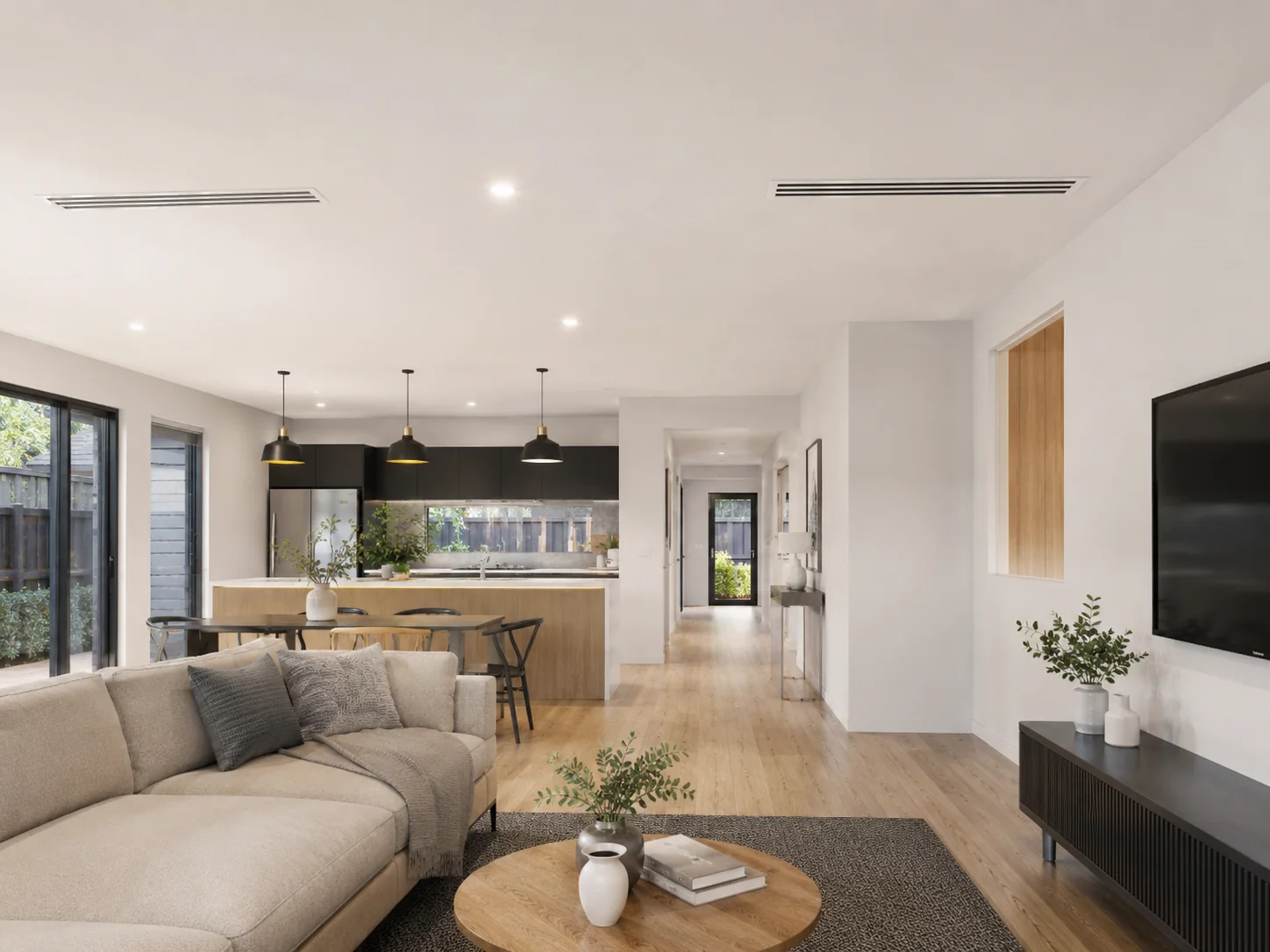
Ducted reverse-cycle or cooling-only systems use a central indoor unit, often located in the roof space, connected to ceiling diffusers through insulated ductwork. Visually, this is the most discreet option and is often preferred in new builds, larger homes and renovations where whole-home comfort is the goal.
Ducted systems can suit:
- Homes where most rooms are regularly used
- Owners wanting consistent temperature throughout the house
- New builds where ductwork can be planned early
- Larger households wanting centralised control
Zoning is important with ducted air conditioning. Motorised dampers and separate controls allow living areas, bedrooms or home offices to be switched on and off as needed. This helps avoid running the whole house when only a few areas are occupied.
Ducted systems are usually more expensive and more invasive to install than split systems. Roof cavity height, access, insulation and existing services can all affect feasibility. Older homes with low or congested roof spaces may be better suited to split or multi-split systems instead.
Choosing the Right System for Your Central Coast Home
Choosing between reverse-cycle and cooling-only air conditioning depends on the property’s heating requirements, long-term running costs, building design and intended use. Reverse-cycle systems offer year-round climate control and can deliver strong energy efficiency in homes that need both cooling and heating. Cooling-only systems remain a practical option where winter heating demand is limited or where reliable heating is already in place.
The best choice depends on how the home is used across the full year, not just during summer. Careful consideration of local climate conditions, system sizing, installation requirements and future energy costs leads to a more informed investment and better long-term performance.
We Run Our Business Like a Family
When You Need Help
Get your home the Air Conditioning work it needs from our team at All Coast Air Conditioning. We’re always ready to help.


