
Replacing an ageing ducted air conditioner often raises an important question: can the existing ductwork be reused, or should it be replaced as well? The answer depends on the condition and compatibility of the duct system, as these factors influence the new unit's efficiency, performance, comfort and installation cost. While well-maintained ductwork may still be suitable, poorly designed ducts can prevent even a high-efficiency system from performing at its best.
As a trusted provider of ducted air conditioning in Central Coast, All Coast Air Conditioning knows that every replacement should begin with a professional assessment of the existing ductwork. Factors such as duct size, layout, insulation, airflow and air leakage all determine whether the system can be safely reused or requires repairs or replacement.
This article explains how professionals assess existing ductwork during a ducted air conditioner replacement. It covers the factors that influence reuse, when repairs or upgrades are appropriate and when replacing the ductwork is the better investment to maximise comfort, efficiency and system lifespan.
How Existing Ductwork Is Inspected Before Replacing the Air Conditioner
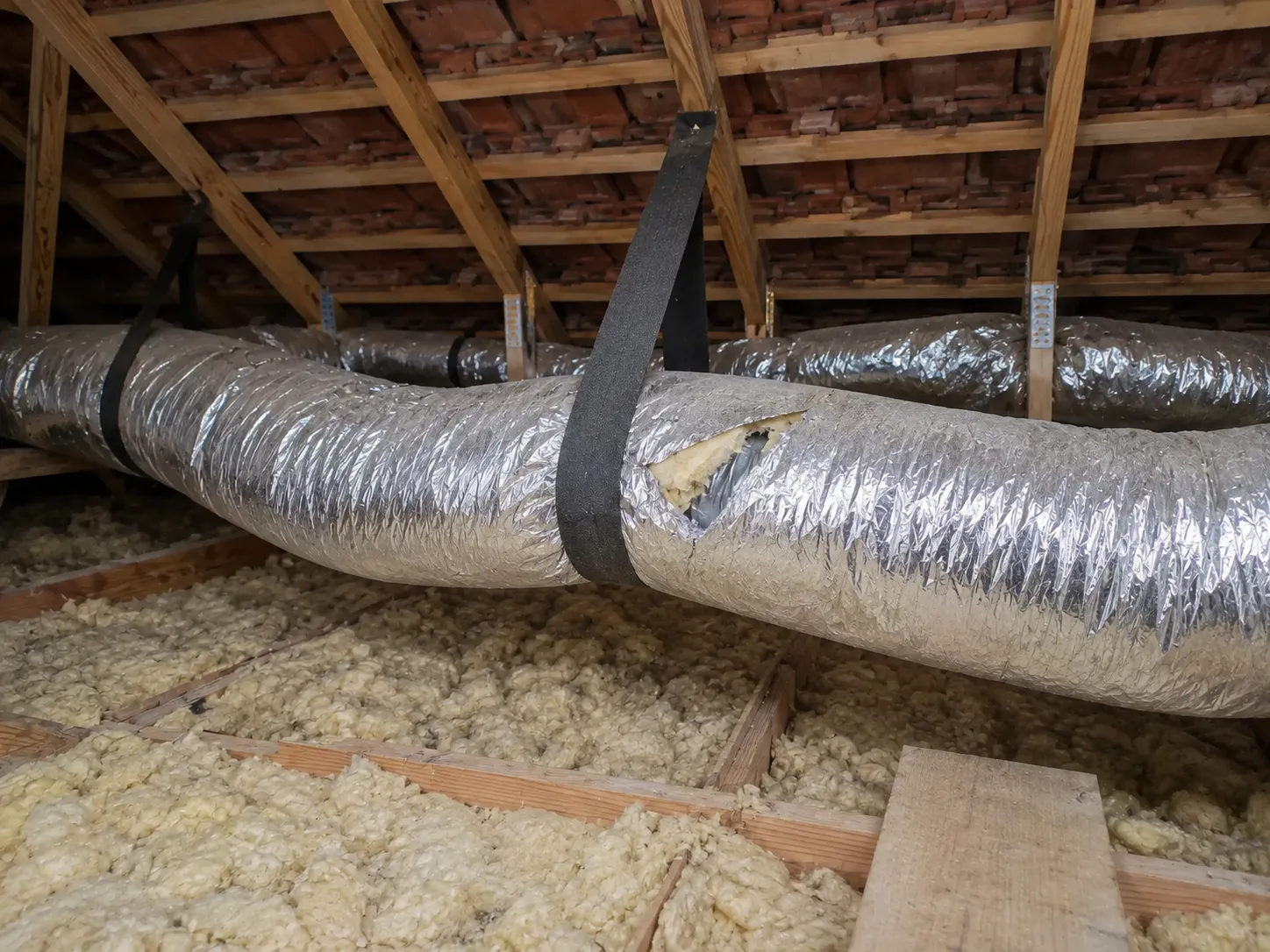
Before a new ducted air conditioner is installed, the existing ductwork must be inspected to determine whether it can continue to operate safely and efficiently with the replacement system. A professional assessment goes beyond checking for obvious damage. It also evaluates airflow performance, insulation, air leakage, hygiene and whether the duct network is compatible with the new unit's operating requirements.
This inspection helps identify whether the existing ductwork can be reused as it is, requires targeted repairs or upgrades, or should be replaced entirely. Identifying potential issues helps prevent poor airflow, higher running costs and premature wear on the new air conditioning system.
Initial Visual Inspection and Access Check
The assessment begins with a visual inspection of all accessible ductwork within the roof space, subfloor or wall cavities. Technicians examine the overall condition of the duct network, ensuring the ducts are properly supported, securely connected and free from obvious damage that could affect performance.
During this stage, they look for common issues such as crushed or kinked flexible ducts, disconnected joints, deteriorated insulation and signs of rodent or pest activity. Flexible ducting receives attention because it is more susceptible to compression, tearing and sagging.
Supply outlets and return air grilles are also checked to ensure they are correctly positioned and appropriately sized, as poorly located or undersized grilles can restrict airflow throughout the system.
Assessing Duct Size, Airflow and Layout
Once the physical condition of the ductwork has been assessed, installers evaluate whether the existing layout can meet the airflow and pressure requirements of the replacement air conditioner. Modern systems often have different performance characteristics from older models, confirming that the duct network is correctly matched.
The assessment includes measuring duct diameters and lengths, reviewing the size of the main trunk duct, checking the number and location of supply outlets and assessing the layout for excessive bends or unnecessarily long duct runs.
If the ducts are too small or create excessive resistance, the new system may struggle to distribute air evenly, resulting in higher energy consumption, increased operating noise and inconsistent temperatures throughout the home. These issues can be addressed by upgrading selected sections rather than replacing the entire duct network.
Checking for Air Leaks, Insulation and Hygiene
The final stage focuses on the efficiency and cleanliness of the duct system. Technicians inspect joints, seams and connection points for air leaks that allow conditioned air to escape into the roof space or draw dust and contaminants into the system. Even small leaks can reduce efficiency and increase running costs.
The condition of the duct insulation is also assessed. Ensuring that ducts are properly sealed and insulated helps reduce air leakage and heating or cooling losses before conditioned air reaches the rooms. Ageing or damaged insulation allows heat to enter cooled air during summer and escape from heated air during winter, reducing the effectiveness of the system before conditioned air even reaches the rooms.
Finally, the internal condition of the ductwork is checked for excessive dust, mould, moisture or persistent odours. While some hygiene issues can be resolved through professional cleaning, widespread contamination or deteriorated duct linings may make replacement the safer and more practical solution.
Does the Age of the Existing Ductwork Matter?
Yes, but age alone should not determine whether existing ductwork is reused or replaced. While older duct systems are more likely to have deteriorated insulation, hidden air leaks, worn internal linings or outdated designs, many can continue to perform if they have been properly installed and maintained.
Because ductwork is largely concealed within roof spaces or under floors, deterioration often develops gradually and may not become apparent until a replacement air conditioner is installed. For this reason, installers assess the ductwork's overall condition, airflow performance and compatibility with the new system rather than relying solely on its age.
Typical Lifespan of Residential Ductwork
Most residential ductwork has an expected lifespan of around 15 to 25 years, although this varies depending on the materials used, the quality of the original installation and the environment in which it operates. Roof spaces can experience extreme summer temperatures, while coastal conditions may expose ductwork to higher humidity and salt-laden air, both of which can accelerate deterioration.
Flexible insulated ducting has a shorter lifespan than rigid metal ductwork because its outer jacket, insulation and internal lining are more susceptible to compression, heat damage and wear. Even if the duct itself remains intact, ageing insulation can reduce energy efficiency by allowing conditioned air to gain or lose heat before it reaches occupied rooms.
How Age Can Affect Performance
As ductwork ages, its ability to deliver balanced airflow and maintain energy efficiency can decline. Issues include compressed insulation, sagging or partially collapsed flexible ducts, leaking joints, deteriorating internal linings and layouts that no longer suit the home's current floor plan or zoning.
These problems increase airflow resistance and energy loss, forcing the air conditioner to work harder to maintain the desired temperature. Homeowners may notice uneven heating and cooling, longer operating times and higher electricity bills, even after upgrading to a modern, high-efficiency system.
When Older Ductwork Can Still Be Reused
Older ductwork does not always need replacing. If an inspection confirms that the ducts remain structurally sound, are correctly sized for the new system and are free from leaks or contamination, they can often continue to provide reliable performance.
Targeted repairs such as resealing joints, replacing damaged insulation or renewing isolated sections of ductwork are enough to restore efficiency without replacing the entire network. By evaluating the ductwork's overall condition rather than its age alone, installers can recommend the most practical and cost-effective solution while ensuring the replacement system performs as intended.
Matching the New System to the Existing Duct Size and Airflow
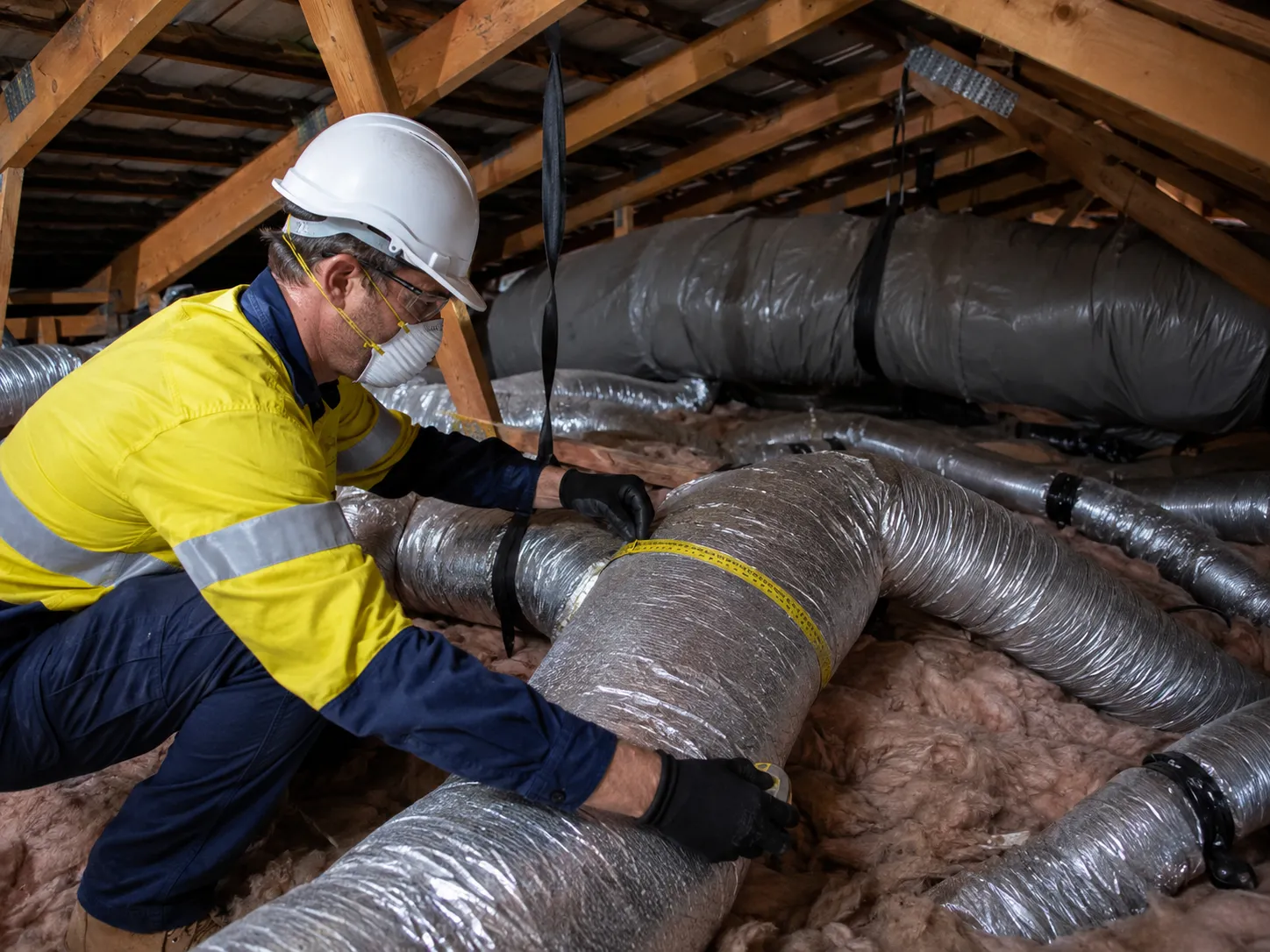
Existing ductwork can only be reused if it is compatible with the airflow and pressure requirements of the replacement air conditioner. Choosing a correctly sized system is important, but the existing duct network must also be capable of delivering the required airflow efficiently.
During the assessment, installers compare the capacity of the new system with the size, layout and condition of the existing ductwork. They also evaluate external static pressure to ensure the indoor fan can operate within its designed range without unnecessary strain.
What Is Checked During the Assessment?
To determine whether the existing ductwork is suitable for reuse, installers assess several factors, including:
- The diameter and length of the main trunk and branch ducts.
- The number, size and location of supply outlets and return air grilles.
- The airflow and static pressure requirements of the replacement system.
- Excessive bends, long duct runs or restrictions that reduce airflow.
- Whether the existing layout still suits the home's current floor plan and zoning.
If the ductwork is undersized, airflow can become restricted, leading to uneven temperatures, higher operating noise, increased energy consumption and additional strain on the indoor fan. Oversized ducts can also reduce air velocity, making it more difficult to distribute conditioned air evenly throughout the home.
Where only isolated issues are identified, modifications like upsizing selected duct sections, enlarging return air components or improving the duct layout may be enough to optimise performance without replacing the entire network.
Can Existing Vents, Grilles and Registers Be Reused?
Yes, existing vents, grilles and registers can often be reused if they are in good condition, correctly sized and compatible with the airflow requirements of the replacement ducted air conditioner. However, they should always be assessed as part of the installation because damaged, undersized or poorly positioned outlets can restrict airflow, increase operating noise and reduce the overall efficiency of the new system.
What Do Installers Check?
Before deciding whether these components can be reused, installers assess their condition, size and suitability for the replacement system. This includes checking for:
- Cracked, warped or corroded vents and grilles.
- Broken or loose adjustable blades and dampers.
- Dirt, mould or moisture damage that may affect hygiene or performance.
- Supply outlets and return air grilles that are correctly sized for the required airflow.
- Outlet locations that promote balanced air distribution throughout the home.
If the vents or return air grilles are undersized, they can increase static pressure and reduce airflow, resulting in uneven temperatures, higher energy consumption and unnecessary strain on the indoor fan. Upgrading or repositioning selected outlets may improve comfort and system performance without replacing the entire duct network.
Signs the Existing Ductwork Requires Complete Replacement
While many duct systems can be repaired or upgraded, some are too deteriorated or incompatible with a new air conditioner to justify reuse. Complete replacement is often the most practical and cost-effective solution, providing better airflow, improved energy efficiency and greater reliability.
A professional inspection may recommend replacing the entire duct network if it identifies widespread problems such as:
- Persistent hot and cold spots throughout the home despite the system being correctly sized.
- Weak, noisy or uneven airflow caused by undersized, crushed or poorly designed ductwork.
- Extensive air leaks from torn, disconnected or deteriorated ducts.
- Sagging flexible ducting, damaged insulation or heavily corroded metal ductwork.
- Mould growth, vermin damage, persistent odours or contamination affecting multiple duct runs.
- Ductwork that is more than 15 to 20 years old and shows widespread deterioration.
- A duct layout that no longer suits the home's current floor plan, zoning or the airflow requirements of the replacement system.
When several of these issues occur together, repairing isolated sections rarely restores the performance of the system. Instead, the new air conditioner may continue to experience restricted airflow, uneven temperatures, increased operating noise and higher energy consumption.
When Can Sections of Ductwork Be Repaired or Upgraded?
Not all ductwork needs to be replaced during a ducted air conditioner upgrade. If the existing duct system is correctly designed and compatible with the new unit, repairing or upgrading selected sections can often restore performance while reducing installation costs and disruption.
A professional assessment will determine whether the ductwork has only isolated issues rather than widespread deterioration. Repairs or upgrades are suitable when:
- The ducts are free from major tears, crushing or collapsed sections.
- Air leaks are limited to a small number of joints or connections that can be resealed.
- Insulation is largely intact, with only isolated areas requiring replacement.
- There is no widespread mould, corrosion, pest damage or contamination.
- The existing duct sizes and layout can still meet the airflow requirements of the replacement system.
Where these conditions are met, targeted improvements may include replacing damaged sections of flexible duct, resealing leaking joints, upgrading return air ducts or grilles, improving airflow balance with dampers, or replacing undersized branch ducts. These upgrades can improve system performance without the expense of installing an entirely new duct network.
How Unsuitable Ductwork Affects Performance
Reusing existing ductwork is only worthwhile if it can support the airflow and pressure requirements of the new ducted air conditioner. If the ducts are undersized, damaged, leaking or poorly designed, they can reduce system performance, resulting in uneven comfort, higher running costs and unnecessary strain on the equipment. Problems with airflow, leakage and duct design are also common causes of reduced ducted system efficiency.
Poor Airflow and Uneven Comfort
Ductwork that restricts airflow prevents conditioned air from being distributed evenly throughout the home. Rooms furthest from the indoor unit may receive insufficient airflow, creating hot and cold spots and making it difficult to maintain a consistent indoor temperature. The system often runs for longer periods to achieve the desired comfort level, reducing both efficiency and overall performance.
Increased Noise and System Wear
Poorly sized or restrictive ductwork can increase air velocity and static pressure, causing whistling vents, excessive airflow noise and vibration within the duct system. These conditions also place additional strain on the indoor fan motor, increasing wear on components and shortening the lifespan of the new air conditioner while raising the likelihood of future faults.
Reduced Efficiency and Higher Running Costs
Modern ducted air conditioners are designed to operate efficiently, but that efficiency depends on a well-designed duct system. Choosing energy-efficient air conditioning is important, but ductwork condition and installation also influence overall system performance. Air leaks, deteriorated insulation and poorly matched duct sizes allow conditioned air to escape or lose temperature before it reaches the living areas. This forces the system to work harder and consume more electricity, resulting in higher energy bills and reducing many of the efficiency benefits that come with installing a new air conditioner.
How Ductwork Affects Replacement Cost and Installation Time
The condition of the existing ductwork plays a role in the cost and timeframe of a ducted air conditioner replacement. If the duct system is compatible with the new unit, much of it can often be reused, helping to reduce labour, materials and installation time. However, repairs, upgrades or complete replacement will increase the scope of work and the overall project cost.
The impact on cost and installation time generally depends on the condition of the ductwork:
- Existing ductwork can be reused: If the ducts are correctly sized, well-insulated and free from leaks or damage, only minor adjustments may be required. This keeps additional labour and material costs low and often allows the replacement to be completed within the standard installation timeframe.
- Partial repairs or upgrades are needed: Replacing damaged duct sections, improving return air capacity, upgrading outlets or balancing airflow adds time and material costs but is usually more economical than replacing the entire duct network.
- Complete duct replacement is required: If the ductwork is heavily deteriorated, poorly designed or incompatible with the new system, installing a new duct network becomes the best long-term solution. Although this increases upfront costs and installation time, it delivers better airflow, improved energy efficiency, quieter operation and greater long-term reliability.
Other factors, including roof space accessibility, the size and layout of the home and whether it is a single or double-storey property, can also influence the complexity, duration and overall cost of the installation. A professional assessment provides the clearest understanding of the work required before the project begins.
Why a Professional Duct Assessment Is Essential Before Replacement
A professional duct assessment is an essential part of any ducted air conditioner replacement. While homeowners may notice obvious signs of wear or damage, determining whether existing ductwork can safely and efficiently support a new system requires more than a visual inspection. Hidden issues can affect performance, energy efficiency and the lifespan of the replacement unit.
What Does a Professional Assessment Involve?
A qualified technician evaluates the entire duct system to determine whether it can be reused, repaired or should be replaced. This includes:
- Inspecting the condition of the ductwork, insulation, vents and return air grilles.
- Measuring airflow and checking static pressure throughout the system.
- Identifying air leaks, restrictions and damaged duct sections.
- Confirming the duct sizes and layout are compatible with the replacement air conditioner.
- Recommending whether the ductwork should be reused, upgraded or replaced.
By identifying potential issues before installation begins, a professional assessment helps prevent unexpected costs and ensures the new air conditioning system operates as efficiently as intended.
Because every home has a different layout and duct system, there is no one-size-fits-all approach. A thorough assessment provides clear, evidence-based recommendations, giving homeowners confidence that the replacement system will deliver reliable comfort, energy efficiency and lasting value.
Whether existing ductwork can be reused when replacing a ducted air conditioner depends on its condition, design and compatibility with the airflow requirements of the new system. Factors such as duct size, insulation, air leakage, age and overall layout all affect system performance, energy efficiency and long-term reliability. A professional assessment is the most effective way to determine whether the existing ductwork can be reused, upgraded or should be replaced. Because ductwork is an integral part, reusing unsuitable ducts can undermine the performance of even the most efficient new unit. Choosing the right approach helps improve comfort, reduce running costs and maximise the lifespan of the replacement system.
All Coast Air Conditioning assesses every duct network before recommending reuse, repairs or replacement. By combining professional testing with expert advice, the team helps homeowners invest in a ducted air conditioning system that delivers.
We Run Our Business Like a Family
When You Need Help
Get your home the Air Conditioning work it needs from our team at All Coast Air Conditioning. We’re always ready to help.


