
When it comes to keeping an air conditioner running well for as many summers as possible, homeowners often hear a lot of conflicting advice. Some people say a system only needs attention when something goes wrong. Others insist refrigerant should be topped up every year, or that shutting vents in unused rooms helps reduce strain on the unit. In reality, many of these ideas do more harm than good. All Coast Air Conditioning regularly sees how common maintenance myths can shorten system life, increase running costs and lead to major repairs far earlier than necessary.
This article takes a practical look at the most common preventative maintenance myths and explains what actually helps an air conditioning system last longer. It covers which habits protect key components such as compressors, coils and fan motors, which practices waste money and which ones can quietly damage the system over time. It also explains how regular servicing, proper filter care, correct system sizing and sensible day-to-day operation all work together to improve reliability, reduce breakdowns and maintain better comfort with lower energy use.
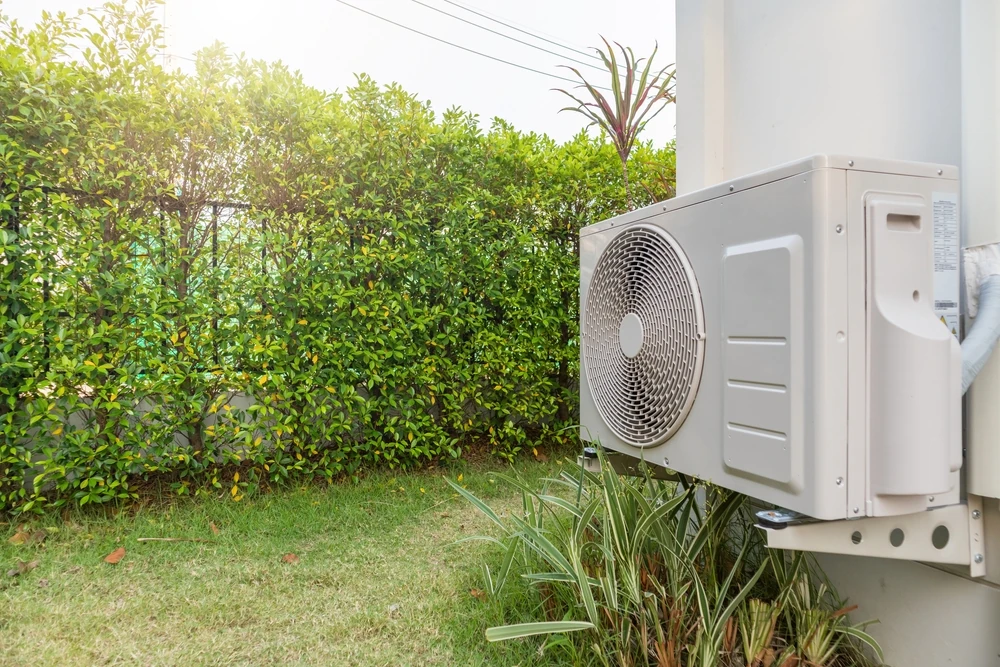
Common Maintenance Misconceptions
Many homeowners put time and money into air conditioning maintenance on the Central Coast yet still end up dealing with early faults or costly repairs. Often, the issue is not a lack of effort but reliance on advice that sounds sensible while doing little to protect the system. Knowing what does not help is just as important as knowing what does.
The following misconceptions are among the most common. Correcting them can lead to more effective maintenance, fewer unexpected problems and more consistent comfort throughout the home.
Myth 1: If It Is Cooling, It Does Not Need Maintenance
An air conditioner can appear to be cooling normally while hidden issues are developing in the background. Restricted airflow, early electrical faults and small refrigerant leaks often go unnoticed until they place serious strain on major components.
A professional service can identify warning signs well before they turn into expensive failures. These signs may include ice forming on the indoor coil, unusual compressor noise at start-up or discolouration around electrical terminals. Waiting until the system struggles to cool usually means the problem has already progressed and may already have reduced the life of the unit.
Myth 2: Cleaning the Filter Is Enough
Filter cleaning is important, but it is only one part of proper maintenance. Other parts of the system also collect dust, moisture and grime, and these areas are often missed when maintenance is treated as a simple filter-cleaning job.
Evaporator coils, outdoor condenser coils, condensate drains, blower assemblies and fan wheels all affect performance and longevity. When these parts are neglected, the system often has to run longer and under greater strain to deliver the same result. Even if the filter is clean, hidden buildup elsewhere can still reduce efficiency and accelerate wear on the compressor and motors.
Myth 3: Big Thermostat Changes Reduce Wear
Some people assume that turning the thermostat much higher when leaving the house, then much lower when returning, is easier on the system. In practice, large temperature swings often force the air conditioner to run for longer periods under heavy load when trying to recover.
Smaller adjustments are usually far more effective. Raising the set point slightly while away can reduce unnecessary runtime without allowing the home to become excessively hot. When the system only has to recover a few degrees rather than many, it generally returns the home to a comfortable temperature with less strain on the compressor and electrical components.
Myth 4: Topping Up Refrigerant Every Few Years Is Normal
An air conditioner is a sealed system. If refrigerant needs to be added regularly, that is not routine maintenance. It is a sign that there is a leak somewhere in the system.
Running with the wrong refrigerant charge can reduce cooling performance, cause icing and lead to compressor damage. The correct approach is to locate and repair the leak, then recharge the system accurately. Treating refrigerant like a consumable shortens system life and can also create compliance issues.
The Truth About Filter Cleaning and Replacement Schedules
Air filters are the first line of defence against dust and debris entering an air conditioning system. They are also one of the most misunderstood parts of routine maintenance. Many systems lose efficiency or suffer avoidable strain simply because filters are ignored, cleaned incorrectly or replaced too late.
There is no single replacement schedule that suits every home. The right timing depends on how the system is used, the type of filter installed and the conditions inside and outside the property.
How Often AC Filters Should Really Be Checked
Generic advice such as replacing a filter once a year is usually not enough. In most homes, standard disposable filters should be checked monthly during periods of heavy use and replaced every one to three months. Higher-efficiency pleated filters may last longer, but they still need regular inspection.
Some homes need more frequent changes than others. Pets, smokers, dusty roads, nearby construction and high household traffic can all shorten filter life. Even in lightly used homes, filters should still be inspected every few months rather than ignored until airflow problems become obvious.
Why Dirty Filters Reduce System Life
A dirty filter does more than affect airflow. When airflow drops, the system has to work harder and run longer to reach the set temperature. This increases power use and places more stress on the compressor and blower motor.
Restricted airflow can also cause the indoor coil to become too cold and ice over. Repeated icing and thawing places extra strain on the system and can contribute to more serious faults over time. If dust bypasses an ineffective or damaged filter, it can also build up on the evaporator coil and blower wheel, reducing heat transfer and forcing even longer run times.
Consistent filter checks and timely replacement remain one of the simplest and most cost-effective ways to support system efficiency and prolong air conditioner life.
Salt, Humidity and Outdoor Unit Care in Coastal Environments
Air conditioners installed in coastal areas face conditions that inland systems do not. Salt-laden air, high humidity and fine debris all affect the outdoor unit over time. On the Central Coast, these factors can quietly reduce efficiency and speed up corrosion if the system is not cared for properly.
Looking after an outdoor unit in a coastal environment is not about excessive maintenance. It is about focusing on the measures that genuinely slow wear and protect the parts most exposed to the elements.
What Salt and Humidity Do to an Outdoor Unit
Salt particles carried in coastal air can settle on the condenser coil and cabinet. Combined with moisture, this creates a corrosive environment that can gradually damage aluminium fins, metal fasteners and exposed components. Over time, corrosion can reduce efficiency and, in more severe cases, contribute to refrigerant leaks.
Humidity can also encourage mould, algae and grime to build up in and around the unit. This affects airflow and heat transfer, forcing the system to run longer and work harder to achieve the same result.
Cleaning Practices That Actually Help
One common myth is that frequent pressure washing is good for an outdoor unit. In reality, high-pressure cleaning can bend delicate coil fins and force water into sensitive areas.
Gentle cleaning is far more effective. A low-pressure rinse with a garden hose every few months can help remove salt and surface debris, especially for homes close to the coast. The area around the unit should also be kept clear so airflow is not restricted by plants, stored items or fencing.
Maintaining good clearance around the unit helps the system reject heat properly and reduces unnecessary strain during hot weather.
Corrosion Protection and Seasonal Care
Another common mistake is tightly covering the outdoor unit for long periods. Covers that trap moisture can actually make corrosion worse. If a cover is used at all, it should be breathable and only used in genuine off-season conditions where the system will not be running.
Coastal-rated systems, protective coatings and corrosion-resistant mounting hardware can all help extend system life in harsher environments. Mounting brackets, bases and fixings should also be checked periodically, as corrosion in these areas can affect stability and place added stress on refrigerant lines and other components.
Annual Check-Ups: What Technicians Really Do
A proper annual service is much more than a quick visual inspection. When carried out thoroughly, it is a structured maintenance visit designed to identify early issues, clean key components and confirm the system is operating within safe and efficient limits.
Understanding what is included in a professional service helps explain why skipping it often leads to larger repair bills later.
Cleaning That Protects Performance
One of the main goals of servicing is to clean the components responsible for heat transfer and airflow. Dust, salt and grime on coils act like insulation, making it harder for the system to cool effectively.
A technician may clean the condenser coil, inspect the indoor coil, check the blower assembly and clear the condensate drain. These steps improve airflow, reduce unnecessary strain on motors and help prevent water leaks and performance issues.
Electrical and Mechanical Checks
Servicing also includes checking the condition of electrical parts and moving components. Refrigerant levels are assessed properly rather than simply topped up. Wiring connections, capacitors, relays and contactors are inspected for signs of wear or overheating.
A technician may also measure motor current, inspect insulation on refrigerant lines and confirm the system is producing a proper temperature split. These checks help identify smaller faults before they damage more expensive components.
Airflow and Control Adjustments
Airflow is critical to both comfort and equipment life. During a service, filters are assessed, vents may be checked for restrictions and the technician can look for issues that reduce airflow through the system.
Thermostat operation is also checked to make sure the unit is cycling correctly. In ducted systems, airflow balance may be reviewed where there are noticeable hot or cold spots. These adjustments can improve comfort while also reducing strain caused by poor system operation.
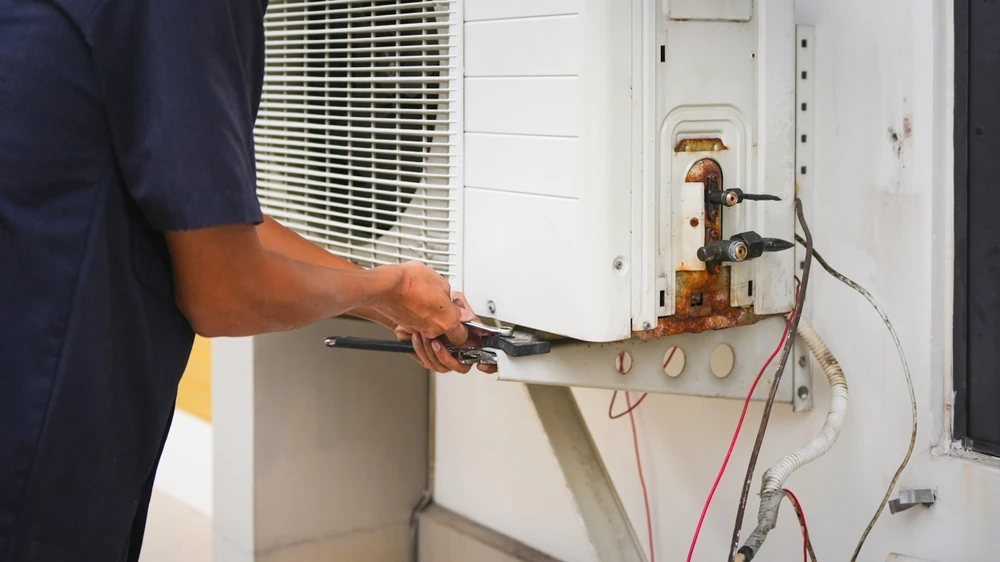
Preventing Expensive Repairs: Which Practices Actually Matter?
Avoiding major air conditioning repairs does not come down to miracle products or unnecessary add-ons. In most cases, it comes down to consistent care and a few straightforward habits that protect the system between professional visits.
Regular Professional Maintenance Matters Most
Annual servicing, or more frequent maintenance where usage is high, is one of the best ways to reduce the risk of serious faults. Professional checks can catch refrigerant issues, airflow restrictions, electrical wear and coil contamination before they cause bigger failures.
Smart thermostats and self-diagnostic features can be useful for convenience, but they do not replace physical servicing. They cannot clean coils, test capacitors or identify all of the hidden issues that develop inside a system.
Good Airflow and Filter Habits Make a Big Difference
Many expensive repairs start with airflow problems. Dirty filters, blocked return grilles and closed supply vents can all increase system pressure and force motors to work harder.
Keeping filters clean, avoiding unnecessary vent closures and making sure return air pathways remain unobstructed can help prevent coil icing, overheating and motor damage. These are simple habits, but they have a real effect on long-term reliability.
Outdoor Unit Care Should Be Sensible, Not Aggressive
The outdoor unit needs space, airflow and basic cleanliness. Leaves, dirt and overgrown landscaping can trap heat around the cabinet and reduce performance. Gentle cleaning and sensible clearance are helpful, but aggressive washing or harsh chemical use often causes more problems than it solves.
Indoor coil cleaning and more involved maintenance should be left to qualified technicians, especially where drainage, electrical parts or refrigerant components are involved.
Warranty Voids: How Skipping Service Can Affect Coverage
Air conditioning warranties can give a sense of security, but they usually come with conditions. Many homeowners do not realise that warranty coverage often depends on the system being properly maintained over time.
Skipping servicing may save money in the short term, but it can create problems if a major component fails and a warranty claim is later questioned.
What Warranty Conditions Usually Require
Most manufacturers include maintenance obligations in their warranty terms. These often include proper installation, regular professional servicing and use of licensed technicians for repairs or adjustments.
In many cases, simply cleaning filters is not enough to satisfy these requirements. If there is no evidence of routine maintenance, the manufacturer may argue that the failure was linked to neglect rather than a product defect.
How Claims Can Be Denied
When a major part fails, the warranty provider may review the condition of the system and the likely cause of failure. If the unit shows clear signs of long-term neglect, such as heavily fouled coils, blocked filters or unresolved refrigerant loss, the claim may be rejected.
This is especially important with expensive components such as compressors, fan motors and coils. A missed service can end up costing far more than the maintenance visit itself if it affects warranty coverage.
Preventative air conditioning maintenance is not about gimmicks, unnecessary top-ups or outdated shortcuts. It is about consistent care that addresses the real causes of wear, poor performance and premature failure. Many of the most common maintenance myths do not protect a system at all. In some cases, they actively shorten its lifespan.
What makes the biggest difference is regular professional servicing, sensible filter management, good airflow, proper operation and attention to the outdoor unit, especially in coastal conditions. When those basics are handled well, an air conditioner is far more likely to run efficiently, stay reliable and last longer before replacement becomes necessary.
We Run Our Business Like a Family
When You Need Help
Get your home the Air Conditioning work it needs from our team at All Coast Air Conditioning. We’re always ready to help.


