
When choosing a heating and cooling system for a home on the Central Coast, the decision often comes down to whether a cooling-only ducted air conditioning system or a reverse-cycle ducted air conditioning system is the better fit. This distinction matters because a reverse-cycle ducted system is also known as a heat pump. In other words, the comparison is not between two completely different technologies. It is between a ducted system that only cools and a ducted system that can both cool and heat.
At All Coast Air Conditioning, we help homeowners compare options for ducted air conditioning on the Central Coast based on how they perform in real local conditions, including humidity, winter heating needs, running costs and the layout of the home itself. Understanding how these systems differ makes it easier to choose a setup that suits the property, the household’s comfort needs and the cost of running the system across the year.
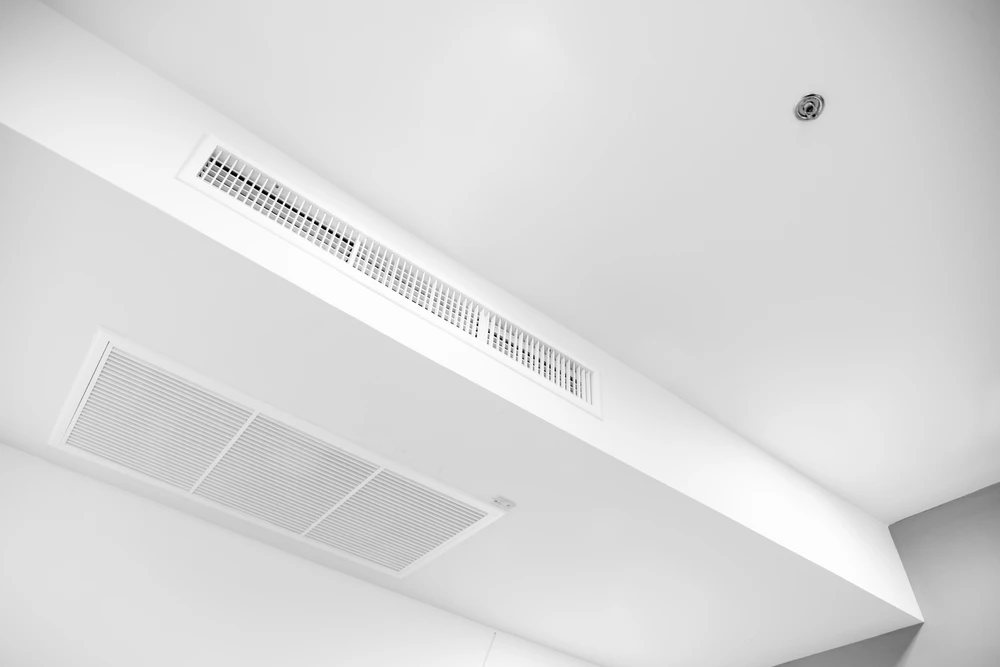
Cooling-Only Ducted Air Conditioning vs Reverse-Cycle Ducted Air Conditioning
For many homeowners, both systems can appear similar at first. They both use ducts to distribute conditioned air throughout the home, both can be zoned, and both can create a neat whole-home solution without wall-mounted units in every room. The real difference is that a cooling-only ducted system is designed only for summer comfort, while a reverse-cycle ducted system can cool in summer and heat in winter.
What a Cooling-Only Ducted System Does
A cooling-only ducted air conditioner removes heat from inside the home and transfers it outside. Warm indoor air is drawn into the system, cooled as it passes over the indoor coil, and then pushed back through the ductwork into the living areas and bedrooms. Homes with this setup usually rely on a separate form of heating during winter, such as gas heating, electric heating or another standalone system.
What a Reverse-Cycle Ducted System Does
A reverse-cycle ducted system uses the same basic refrigeration process for cooling, but it can also reverse that cycle to provide heating. This is why it is also referred to as a heat pump. In heating mode, the system draws heat from the outside air and transfers it indoors. That allows one ducted system to handle both summer and winter comfort through the same indoor unit, outdoor unit and duct network.
Why the Difference Matters
This difference affects more than just whether the home can be heated and cooled from one system. It also changes how the system is used, how much value it may offer over the year, what the running costs look like, and whether there may be savings from moving away from older gas or electric heating. For homeowners comparing options, it is more useful to think in terms of cooling-only ducted air conditioning versus reverse-cycle ducted air conditioning than “ducted AC versus heat pumps”.
How Efficiency and Running Costs Compare
Running costs are one of the biggest factors for most households, especially when a system may be used for much of the year. On the Central Coast, cooling demand is often high through summer, but winter heating also plays an important part in household comfort. That is why annual energy use matters more than looking at summer performance alone.
Cooling Performance and Energy Use
For cooling, a modern cooling-only ducted system and a modern reverse-cycle ducted system can perform similarly if both are high-quality units that are sized and installed correctly. In both cases, efficiency depends heavily on correct system sizing, good duct design, zoning, insulation and realistic thermostat settings. A poor installation will drive up running costs regardless of which type of system is chosen.
Heating Efficiency in Winter
The biggest efficiency difference usually appears in winter. A reverse-cycle ducted system is generally a very efficient way to heat a home because it moves heat rather than generating it directly. This usually makes it much more efficient than electric resistance heaters, and in many homes it can also compare well against older gas heating systems, depending on tariffs and usage patterns.
What Actually Affects Running Costs
Running costs are shaped by more than the unit itself. They are also influenced by:
- the size of the system compared with the home
- the quality and insulation of the ductwork
- the way zoning is set up and used
- how well the home is insulated and sealed
- the thermostat settings chosen throughout the year
- local electricity tariffs and any solar generation available
For homes that need both summer cooling and winter heating, a reverse-cycle ducted system often makes better financial sense over the full year because it combines both functions efficiently.
Which System Suits Central Coast Conditions Better
The Central Coast climate places different demands on a home throughout the year. It is not as cold as inland regions, but winters are still cool enough for heating to matter. Summers can also be humid, which means comfort is not only about temperature but also about how the air feels indoors.
Why Reverse-Cycle Systems Often Suit the Climate
A reverse-cycle ducted system usually suits this climate well because it can handle both humid summer weather and cool winter mornings without needing a second system. Many modern units also include inverter technology, which allows them to adjust output as needed rather than constantly switching on and off. That can improve comfort, reduce noise and lower energy use during milder weather.
When a Cooling-Only System May Still Make Sense
A cooling-only ducted system can still be a reasonable option in some homes. This may apply where there is already an effective and economical heating system in place, where winter heating demand is very low, or where the household mainly wants strong whole-home cooling without replacing the existing heating setup. In these cases, keeping separate systems may still suit the home and the budget.
What to Consider Before Upgrading
Choosing the right system is not only about the brand or the advertised efficiency rating. The home itself plays a major role in how well any ducted system performs. Upgrading without assessing the house properly can lead to disappointing comfort levels, higher running costs or unnecessary installation expenses.
Insulation, Draughts and Sun Exposure
If a home has poor ceiling insulation, large unshaded windows, or air leaks around doors and windows, any heating and cooling system will have to work harder. Before installing a new ducted system, it often makes sense to look at the home’s thermal performance. Sealing gaps, improving insulation and managing direct sun can reduce the load on the system and improve long-term efficiency.
Existing Ductwork and Airflow
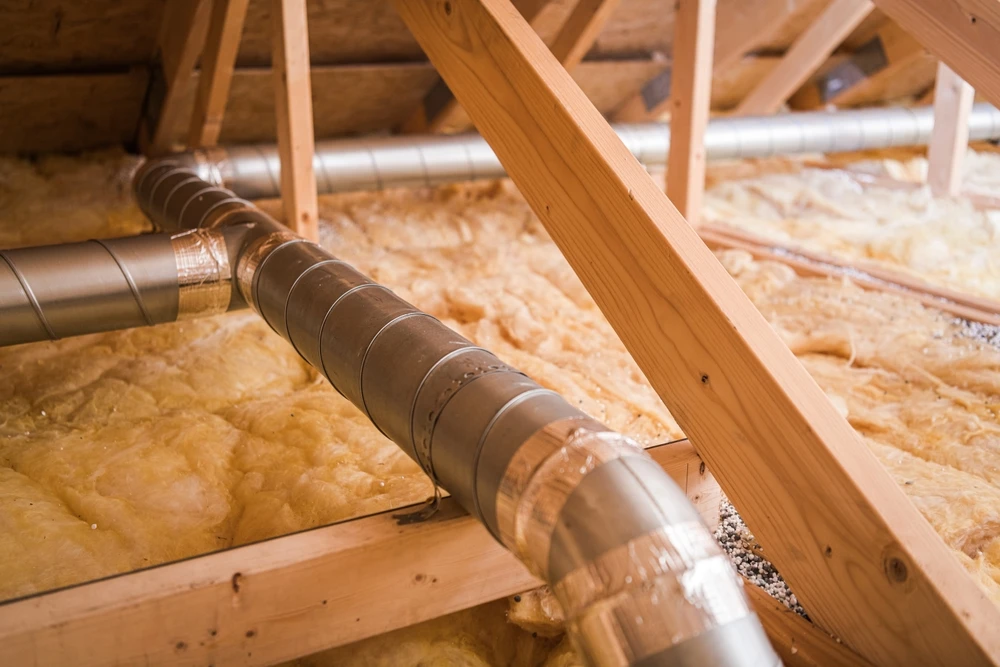
For homes replacing an older ducted system, the ductwork should not simply be assumed to be good enough. Ducts may be undersized, poorly insulated, leaking or deteriorated. Because airflow is critical to performance, the duct design and condition should be checked carefully before connecting a new unit. In some homes, upgrading the ductwork is just as important as upgrading the indoor and outdoor units.
Electrical Capacity and Controls
A reverse-cycle ducted system may require the home’s electrical supply to be assessed, especially in older properties. There may be a need for switchboard work or other electrical upgrades depending on the system size and the existing setup. Controls also matter. Zoning, smart thermostats and room sensors can improve comfort and efficiency, but they need to be designed properly so airflow remains balanced and the system can operate as intended.
Rebates and Incentives for Reverse-Cycle Systems
When homeowners think about switching to a reverse-cycle ducted system, one of the first questions is whether there are any rebates or incentives available. In some cases, the answer is yes, but eligibility depends on the system, the installer and the current programmes available at the time.
NSW and Energy Efficiency Programmes
In NSW, some upgrades involving efficient electric appliances may qualify under energy efficiency schemes. Where an old system is being replaced with a compliant, high-efficiency reverse-cycle unit, accredited providers may be able to apply certificate-based discounts that reduce the upfront installation cost. These offers can change over time and the exact savings vary.
Why It Is Important to Check Before Installation
Because rebate programmes can change, it is important to confirm what is available before going ahead. Homeowners should check whether the chosen system meets the required criteria, whether the installer is familiar with the relevant scheme, and whether any paperwork needs to be submitted before or after installation. It is also worth checking for any retailer or network offers that may apply to efficient electric heating and cooling systems.
Using a Reverse-Cycle System Effectively All Year
One of the main advantages of a reverse-cycle ducted system is that it can provide year-round comfort from one central setup. That convenience is valuable, but how the system is used also affects comfort, efficiency and wear on the equipment.
Good Thermostat Habits
On the Central Coast, sensible thermostat settings usually improve both comfort and running costs. In summer, a setting around 24 to 25°C often provides comfortable cooling without excessive energy use. In winter, around 19 to 21°C is typically enough for effective heating. Setting temperatures much lower or higher than necessary usually increases power use without delivering better long-term comfort.
Making the Most of Zoning
Zoning can be especially useful during the shoulder seasons and in larger homes where not every area needs to be conditioned at the same time. Running only the occupied zones can reduce waste and make the system more economical to use. The benefit is greatest when the zoning has been planned properly as part of the system design.
Maintenance Differences Between the Two Options
Cooling-only ducted systems and reverse-cycle ducted systems have many of the same maintenance needs, but a reverse-cycle system is usually under more year-round demand because it is used in both heating and cooling modes.
What Both Systems Need
Both systems need routine filter cleaning, inspection of the outdoor unit, checks of refrigerant charge, electrical testing and periodic duct inspection. On the Central Coast, outdoor units also need protection from salt-laden air, leaf build-up and coastal moisture, all of which can affect long-term performance if left unmanaged.
What a Reverse-Cycle System Needs Extra Attention For
Because a reverse-cycle system changes between heating and cooling, components involved in that changeover need to be checked during servicing. The outdoor coil may also deal with more moisture through heating operation and defrost cycles in winter, which is another reason regular professional maintenance matters.
How Often Servicing Should Be Done
For a cooling-only ducted system used mainly in summer, annual servicing is often enough if filters are kept clean and there are no performance issues. For a reverse-cycle ducted system used throughout the year, servicing before summer and before winter is often the better approach. This helps keep both modes operating efficiently and reduces the chance of seasonal breakdowns.
Will a Reverse-Cycle Ducted System Lower Running Costs?
In many homes, it can. The biggest savings usually come when replacing older electric heaters, portable systems, ageing air conditioners or separate gas heating with one efficient reverse-cycle setup. The exact result depends on how often the home is heated and cooled, how well insulated it is, and whether the new system is correctly designed and installed.
When the Savings Are Most Noticeable
Savings are often more noticeable in homes with older, less efficient equipment or homes that rely on winter heating regularly. In these situations, a reverse-cycle ducted system can reduce both energy use and the need to maintain multiple separate systems.
When the Difference May Be Smaller
If the home already has a modern high-efficiency ducted system and an economical heating setup, the financial difference may be smaller. Even then, some homeowners still prefer the convenience of using one system for both heating and cooling rather than relying on two separate solutions.
For Central Coast homes, the clearer comparison is not really heat pumps versus ducted air conditioning. It is cooling-only ducted air conditioning versus reverse-cycle ducted air conditioning, with the reverse-cycle system also being the heat pump. Once that distinction is made clear, the decision becomes much easier to understand.
For many households, a reverse-cycle ducted system offers the most practical year-round solution because it can cool in summer, heat in winter and do both through one central system. A cooling-only ducted system may still suit homes that already have an effective heating setup and mainly want whole-home cooling. In either case, the outcome depends on correct sizing, good duct design, proper installation and ongoing servicing. Without those, even the best system on paper will not perform as it should.
We Run Our Business Like a Family
When You Need Help
Get your home the Air Conditioning work it needs from our team at All Coast Air Conditioning. We’re always ready to help.


