
Ducted air conditioning offers homeowners a reliable way to achieve consistent, whole-home comfort in a coastal climate. At All Coast Air Conditioning, we help people make informed decisions that suit local conditions, lifestyles and budgets.
This article is for homeowners building, renovating or upgrading an existing system who want a solution that suits humidity, salt air and modern living. It matters because coastal conditions place unique demands on air conditioning systems, and the wrong setup can lead to higher running costs and maintenance issues.
In this guide, you will learn how ducted air conditioning performs in coastal homes, how systems should be designed and maintained and what to consider when selecting the right option for long-term comfort.
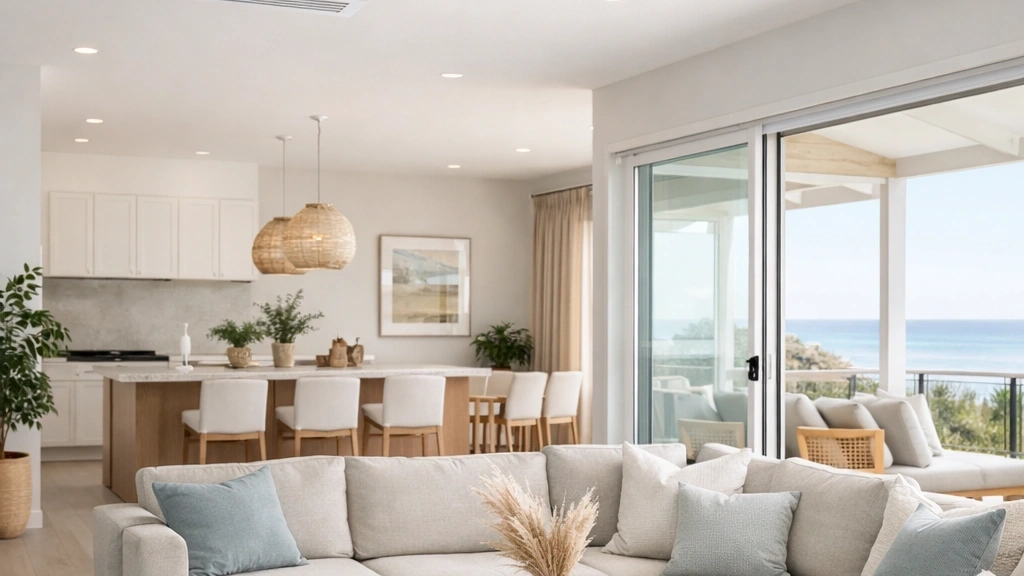
Why Ducted Air Conditioning Performs Well in Coastal Homes
Coastal homes experience a mix of warm summers, mild winters and higher humidity levels throughout the year. Comfort is not just about cooling or heating but about maintaining stable indoor conditions that feel natural and balanced. Ducted systems are well-suited to this environment because they manage temperature and airflow across the entire home rather than in isolated rooms.
Also, sudden temperature changes, humid days and cooler evenings are easier to manage with a system designed to respond evenly and efficiently. This makes ducted air conditioning a practical choice for long-term comfort rather than a short-term fix.
Benefits of Ducted Systems for Central Coast Properties
Ducted systems offer advantages that align well with the way homes are designed and lived in. Many local properties are spread out, open-plan or multi-level, which can be difficult to manage with individual units.
This delivers several key benefits, including:
- Whole-home temperature control from a single system
- Reduced visual clutter compared to wall-mounted units
- Quieter operation with indoor noise kept to a minimum
- Better humidity control, which improves overall comfort
- Increased property appeal and resale value
For homeowners considering ducted air conditioning in Central Coast homes, these benefits often outweigh the initial investment when viewed over the life of the system.
Whole-Home Comfort Compared to Split Systems
Split systems can work well in individual rooms, but they often struggle to maintain consistent comfort across larger homes. Temperature differences between rooms can become noticeable, especially during extreme weather.
Ducted systems address this by:
- Delivering uniform airflow to all conditioned areas
- Eliminating hot or cold spots
- Allowing centralised control rather than multiple remotes
- Creating a more comfortable living experience overall
For homes where multiple rooms are used daily, ducted systems offer a more cohesive solution.
Supporting Indoor Air Quality in Humid Coastal Homes
Humidity can affect how comfortable a home feels, even when temperatures are moderate. Excess moisture can lead to condensation, stale air and discomfort if not properly managed.
Ducted systems help by:
- Regulating humidity levels alongside temperature
- Promoting continuous air circulation
- Reducing conditions that encourage mould growth
- Supporting a healthier indoor environment
This is particularly valuable in coastal areas where humidity is a regular concern.
Designing a Ducted System for Coastal Home Layouts
Good performance starts with good design. A ducted system that works well in a coastal home must be planned around the layout, orientation and usage of the property. Simply installing a system without tailoring it to the home often leads to uneven temperatures and unnecessary running costs.
Designing for coastal conditions also means accounting for airflow, insulation and sun exposure. Homes near the coast may experience stronger winds and higher salt content in the air, which influences how systems should be specified and installed. A well-designed system delivers comfort without overworking the equipment.
Zoning, Room Sizing and Efficiency Considerations
Zoning is one of the most important design features for ducted systems. It allows different areas of the home to be conditioned independently, which is ideal for families with varied schedules and room usage.
Effective zoning and sizing considerations include:
- Separating living areas from bedrooms for day and night efficiency
- Correctly sizing outlets based on room dimensions and ceiling height
- Allowing for future changes, such as home offices or extensions
- Reducing energy use by conditioning only occupied spaces
When zoning and sizing are done properly, the system runs more efficiently, maintains comfort more easily and experiences less wear over time.
Accounting for Coastal Architecture and Open-Plan Living
Many homes feature open-plan living areas, large windows and indoor-outdoor connections. These features influence how air moves and how quickly spaces gain or lose heat.
Designing for these layouts involves:
- Adjusting airflow for large shared spaces
- Managing heat gain from glass and sun exposure
- Ensuring consistent comfort across connected rooms
A system designed with these elements in mind performs more reliably in everyday use.
Planning for Future Household Needs
Homes change over time, and ducted systems should be designed with flexibility in mind. A system that suits today’s needs may need to support different usage in the future.
A forward-looking approach may involve:
- Allowing capacity for home offices or extensions
- Designing zones that can be reconfigured later
- Selecting controls that support future upgrades
This helps avoid costly modifications down the track.
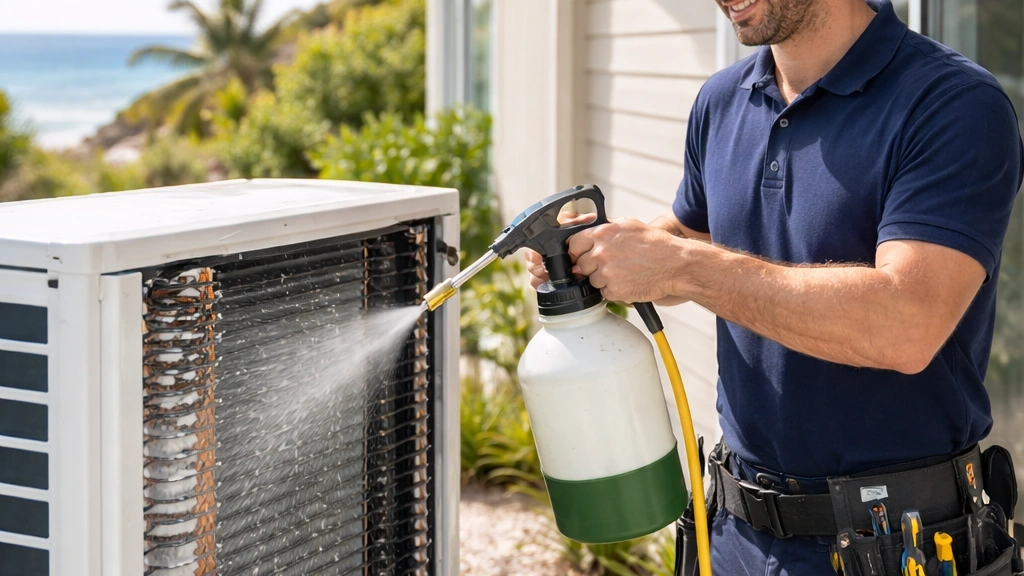
Maintaining Ducted Air Conditioning in Coastal Conditions
Coastal environments require a more proactive approach to maintenance. Salt air, moisture and fine particles can affect system components if left unchecked. Regular servicing helps prevent small issues from turning into costly repairs.
Maintenance is not just about protecting the equipment. It also ensures indoor air quality remains high, which is important in humid climates where mould and allergens can develop more easily. A consistent maintenance schedule supports both comfort and system longevity.
Managing Salt Build-Up and Mould Through Targeted Cleaning
Salt particles in coastal air can settle on coils, ducts and outdoor components over time. Combined with humidity, this creates an environment where corrosion and mould can develop if cleaning is neglected.
Targeted cleaning focuses on:
- Removing salt residue from coils and external units
- Cleaning ductwork to prevent moisture-related mould growth
- Checking drain lines to ensure condensation is managed properly
- Maintaining filters to support clean airflow
These steps help preserve system efficiency and protect indoor air quality, especially in homes close to the coastline.
Why Routine Duct Inspections Matter in Coastal Areas
Ductwork is often out of sight, which makes it easy to overlook. In coastal homes, ducts can be affected by moisture, insulation breakdown or small air leaks that reduce performance.
Routine inspections help identify:
- Early signs of corrosion or deterioration
- Air leaks that cause uneven cooling or heating
- Blockages that restrict airflow
- Insulation issues that increase energy use
Addressing these issues early keeps the system running smoothly and avoids unexpected breakdowns during peak seasons.
Common Ducted Air Conditioning Issues in Coastal Environments
Even well-designed systems can experience issues if coastal factors are not considered. Fluctuating temperatures all contribute to wear and tear eventually. Understanding common problems helps homeowners respond quickly and minimise disruption.
Many issues develop gradually rather than suddenly. Reduced airflow, unusual noises or inconsistent temperatures are often early warning signs. Prompt attention prevents these issues from escalating.
Corrosion, Electrical Wear and Airflow Restrictions
Corrosion is one of the most common challenges in coastal environments. Salt can accelerate the deterioration of metal components, particularly in outdoor units and electrical connections.
Homes in coastal areas commonly experience:
- Corroded coils and fasteners that reduce efficiency
- Electrical wear caused by moisture exposure
- Airflow restrictions from debris or duct damage
- Increased strain on the system, leading to higher energy use
Regular inspections and appropriate protective measures reduce the impact of these conditions.
Reduced System Efficiency Over Time
Without maintenance, systems may still run but deliver reduced performance. This often shows up as longer run times and inconsistent temperatures.
Efficiency loss can be caused by:
- Dirty coils and filters
- Duct leaks
- Poor airflow balance
Addressing these issues restores comfort and lowers running costs.
Selecting a Ducted Air Conditioning System for Coastal Use
Choosing the right system involves more than comparing brands or prices. Coastal homes benefit from systems designed with durability, efficiency and long-term ownership in mind. Factors such as corrosion-resistant components, energy ratings and local support all play a role.
Homeowners should also consider how the system fits their lifestyle. A system that performs well during peak summer heat and cooler winter nights offers better value. Thoughtful selection ensures the system remains reliable and cost-effective for years to come.
Choosing Systems Designed for Coastal Durability
Not all systems are equally suited to coastal environments. Materials and component quality play a role in longevity. Selecting systems with corrosion-resistant features helps extend service life.
Professional Installation and Ongoing Support
Even the best system will underperform if installed poorly. Professional installation ensures airflow, zoning and controls work as intended. Ongoing support provides peace of mind throughout the system’s lifespan.
Ducted air conditioning can deliver reliable, whole-home comfort when it is designed, installed and maintained with coastal conditions in mind. For homeowners, making informed decisions early leads to better performance, lower running costs and fewer long-term issues. At All Coast Air Conditioning, we work with local homeowners to design and maintain ducted systems that suit coastal living and provide lasting comfort.
We Run Our Business Like a Family
When You Need Help
Get your home the Air Conditioning work it needs from our team at All Coast Air Conditioning. We’re always ready to help.


