
A guest room occupied most nights can place considerably more demand on its air conditioner than an identical room used occasionally. For small accommodation businesses, recognising these differences can maintain comfortable rooms, support reliable equipment operation and make decisions. All Coast Air Conditioning helps accommodation operators assess how their equipment is performing under different operating conditions.
Extended operating hours, changing guest preferences and uneven room demand can all influence how air conditioning systems perform over time. Understanding these factors helps you recognise which rooms may need closer attention, what observations are worth recording and when to discuss potential issues with a qualified technician.
Guest-room Use Is Different From Household Use
Hotel air conditioning servicing must account for how rooms are actually occupied. A household often follows familiar daily routines, while a guest-room system may serve people with different comfort expectations from one booking to the next.
Heavy use does not automatically mean misuse. Guests may reasonably need cooling or heating for extended periods, particularly when they spend much of their stay in the room. The maintenance question is how those operating patterns affect the equipment and whether its condition requires additional attention.
Occupied Rooms May Run Their Systems for Extended Periods
In a frequently occupied room, air conditioning may operate throughout the afternoon, evening and overnight. Depending on the weather, room conditions and selected temperature, the system may spend a substantial part of that time actively cooling or heating. This differs from a room where the equipment is switched on briefly between long periods of inactivity.
Operating time does not necessarily mean continuous full output. Many modern systems adjust their output as the room approaches the selected temperature. A technician needs to distinguish between equipment that operates for many hours but performs normally and equipment that struggles to reach or maintain comfortable conditions.
Longer operation also means more air passes through filters and heat exchange surfaces. Dust and other airborne particles can gradually accumulate, restricting airflow and affecting performance. How quickly this happens depends on the room environment, equipment design and surrounding conditions, not just operating hours.
Different Guests Create Changing Operating Patterns
One guest may prefer gentle airflow and a moderate temperature, while the next may select a much colder setting, change fan speeds frequently or alternate between operating modes. These adjustments change how the system operates, although normal control changes are not necessarily evidence of a fault.
An unusually low cooling setting does not automatically make a room cool faster. Instead, it can keep the system working towards a lower temperature for longer. If the room is also gaining heat through glazing, poor insulation or an open door, the equipment may struggle to satisfy that demand.
Understanding how temperature settings affect energy use can help accommodation operators provide guests with practical guidance on using room controls.
For servicing purposes, the important distinction is between changing guest preferences and recurring performance problems. A unit that responds normally to different settings presents a different situation from one that repeatedly fails to cool adequately under ordinary operating conditions.
How Do I Know Which Rooms Place the Most Demand on Their AC?
The busiest air conditioner is not always in the room that attracts the most complaints. Some high-use systems operate quietly for extended periods, while an occasionally occupied room may generate a complaint because its conditions differ from what a guest expects.
Start by considering the property's occupancy patterns, typical operating hours and recurring comfort issues. These observations can identify rooms that experience greater demand and establish which systems may benefit from closer monitoring.
Consider Occupancy and Typical Operating Hours
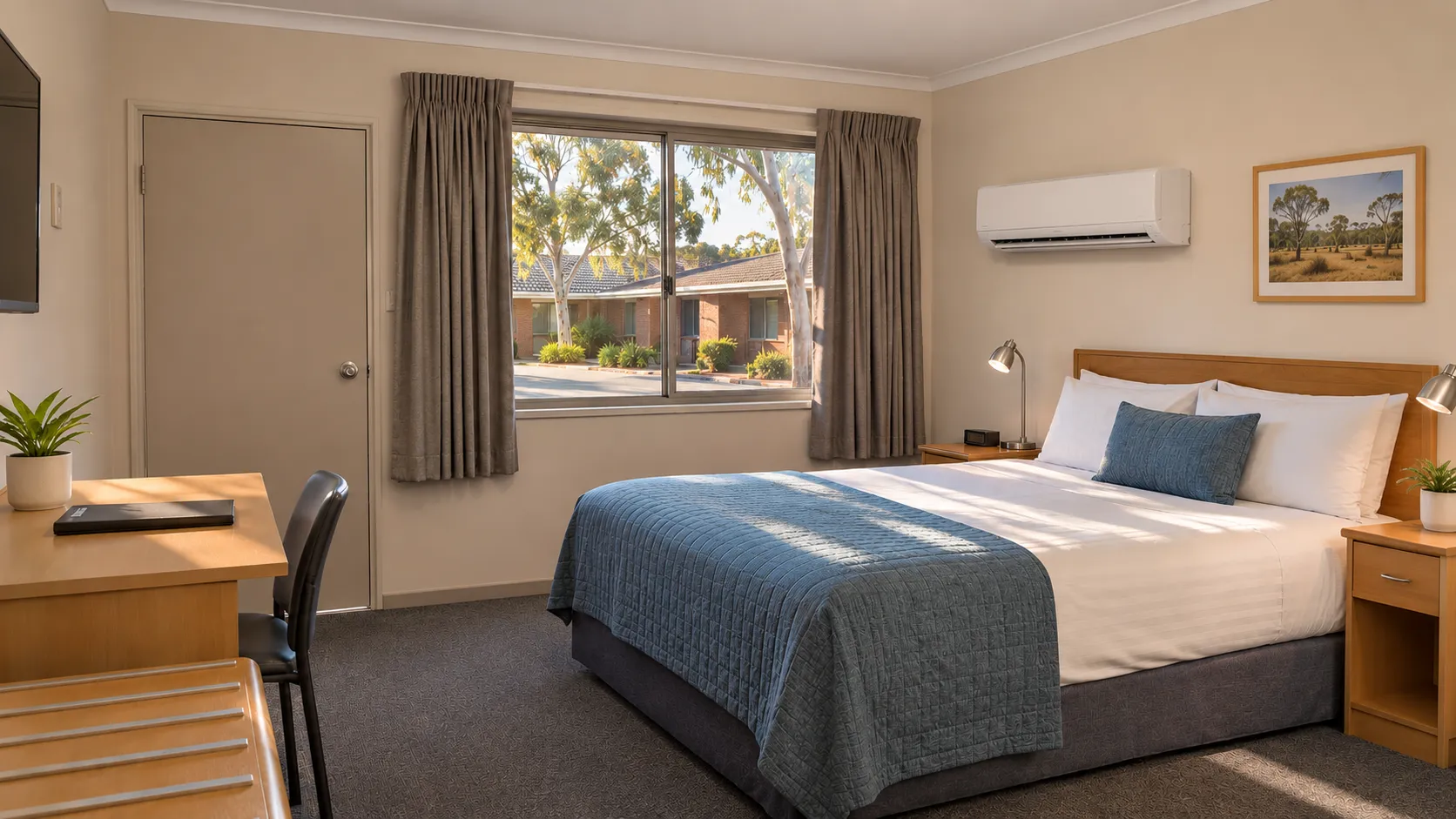
A room booked most nights will present more opportunities for air conditioning use than one occupied infrequently. However, occupancy alone does not reveal the full operating demand. A guest who spends most of the day exploring the area may use the system differently from someone who remains in the room for extended periods.
Room position also matters. Strong afternoon sunlight, exposed glazing and frequent door opening can increase cooling demand, even when two rooms have similar occupancy levels. A room that becomes noticeably warm each afternoon may require longer periods of active cooling than a shaded room nearby.
You do not need precise operating-hour figures to describe these differences. Practical observations, such as a room being occupied most nights and regularly needing cooling throughout the afternoon, provide useful context. However, avoid treating rough estimates as measured operating data when discussing technical recommendations.
Where several rooms are served by ducted equipment, individual room demand and overall equipment demand are not necessarily interchangeable. The system may be responding to multiple spaces at once, with zoning and air distribution influencing how effectively each area is conditioned. Understanding the basics of ducted air conditioning can help you ask more questions about shared equipment and its operation.
Separate Persistent Room Demand From Occasional Guest Preferences
A single request for a colder room does not establish that an air conditioner is underperforming. Repeated reports that the same room stays warm under ordinary settings are more significant when the problem follows a recognisable pattern.
Consider whether complaints occur mainly after afternoon sunlight, during extended occupied periods or whenever a particular area of the room is used. These details can establish the circumstances surrounding the problem without requiring you to diagnose its cause. Similar symptoms can arise from room heat gain, airflow restrictions, control behaviour or equipment faults.
It is also useful to distinguish between slow initial cooling and an inability to maintain a comfortable temperature later. If a room reaches the selected temperature but becomes uncomfortable again during normal occupancy, make sure the technician knows.
Can Identical Systems Need Different Servicing Attention?
Matching equipment does not guarantee matching condition. Two air conditioners installed at the same property can accumulate different operating hours, encounter different room conditions and develop different signs of wear or contamination.
This does not mean every room needs an entirely separate maintenance arrangement. Instead, technicians should consider the actual condition of each system and determine whether differences in use or performance justify closer attention.
Usage Can Differ Even When Equipment Matches
Imagine two rooms fitted with the same model of air conditioner. One is regularly occupied and receives strong afternoon sunlight, while the other is shaded and used less frequently. Even if both units function normally, they may spend very different amounts of time working to maintain their selected temperatures.
Airborne contamination can differ too. The condition of filters and heat exchange surfaces depends on the surrounding environment and the air passing through the equipment. A technician may find that one unit requires more cleaning attention while another needs closer investigation of a drainage or control issue.
The comparison becomes more complicated where rooms share ducted equipment. A comfort problem in one space does not necessarily indicate a fault with a dedicated room unit. Air distribution, zoning and the demands of other connected spaces may need consideration. This discussion of ducted comfort decisions provides additional background on how these systems influence indoor comfort.
Identical symptoms do not always have identical causes either. Weak cooling in two rooms could result from completely different underlying problems. Repeating the same maintenance treatment without assessing actual equipment condition risks overlooking the reason one room continues to attract complaints.
Observed Condition Matters Alongside Manufacturer Guidance
Manufacturer recommendations provide an important starting point for air conditioning maintenance. However, they should be considered alongside equipment condition, operating environment, actual use and inspection findings.
A heavily used unit may require closer monitoring or additional filter attention because of the amount of air passing through it. Another system with relatively modest use may need corrective work because of a drainage problem or developing fault.
Importantly, heavy use does not automatically establish that a system needs more frequent full servicing. The maintenance schedule should consider manufacturer guidance, equipment type, operating conditions and the results of professional inspections.
Ask what supports any proposed difference in maintenance attention. A clear explanation should connect observed contamination, restricted airflow, drainage concerns or recurring control problems with the equipment's actual condition.
Lightly used systems still require appropriate maintenance. Inactivity does not guarantee that internal components, drainage paths or controls remain in good condition. Equally, heavy use alone is not proof that equipment needs replacing. Both maintenance and repair decisions should follow professional assessment.
Professional Attention to Sustained Operating Loads
Extended operation makes dependable airflow, heat exchange, drainage and control response important. An air conditioner may appear to perform adequately during a brief observation but reveal problems as room conditions change or moisture continues to collect during cooling.
Professional attention should connect these functions to the property's everyday operating demands. Accommodation staff can monitor visible symptoms and report changes, but electrical, refrigerant and internal mechanical work should be handled by licensed professionals.
Airflow and Heat Exchange Under Everyday Demand
An air conditioner needs suitable airflow to transfer heat effectively. When filters become clogged with dust and other particles, airflow can become restricted, reducing cooling performance and making it harder to maintain comfortable room temperatures.
A technician can inspect filters, indoor coils and other airflow components to determine whether cleaning or further investigation is necessary. The condition of these components should guide the recommended work rather than an assumption that every unit needs identical treatment.
Heat exchange surfaces also need attention. Contamination on indoor or outdoor coils can interfere with heat transfer, affecting how effectively the equipment cools or heats a room. The significance depends on the extent of the buildup and the equipment involved.
Outdoor units deserve consideration as well. Their surrounding environment needs to allow sufficient airflow for effective heat exchange. Leaves, dust, debris or other obstructions can interfere with operation, making the outdoor unit's condition an important part of a professional inspection.
Condensate Management and Reliable Control Response
During cooling, air conditioners remove moisture from indoor air. This moisture collects as condensate and must drain away correctly. Extended cooling periods can make an existing drainage weakness more noticeable because the system continues producing moisture during operation.
A professional maintenance assessment should include checking condensate drainage and system controls to identify drainage restrictions and confirm that the equipment operates correctly.
A leak that appears only after several hours of use is therefore useful information for the technician. The fact that the equipment is dry later does not necessarily mean the problem has resolved.
Visible water leakage warrants professional attention. Staff should avoid opening equipment, altering drain connections or attempting internal clearing. The cause must be established so the response addresses the underlying issue rather than just the visible water.
Controls deserve similar attention. Guests may report that room temperatures do not match selected settings, changes seem ineffective or operation stops unexpectedly. These observations could involve control settings, temperature sensing, normal system behaviour or an equipment fault.
Explain how long the system had been operating and what happened before the symptom appeared. This context helps a professional determine whether a brief inspection is sufficient or whether further assessment under representative operating conditions is needed.
What Should I Discuss With My Technician About Heavy Use?
A useful technical conversation connects guest experiences with the conditions in which the equipment operates. You do not need to identify a failed component or arrive with a proposed repair. Your contribution is explaining what happens in each room, how frequently it occurs and if the problem follows a recognisable pattern.
When arranging air conditioning maintenance in Central Coast, describe the accommodation setting and differences between your rooms. Explaining which units experience the heaviest use and where comfort problems regularly occur can help technicians assess the equipment more effectively.
Explain Recurring Comfort Problems in Particular Rooms
Specific descriptions are more useful than simply saying a system is not working properly. Explain whether a room cools slowly, becomes uncomfortable again after reaching the selected temperature or develops an issue only after several hours of operation.
Include the conditions you know. Perhaps the problem is most noticeable after afternoon sunlight, during overnight use or when a room is occupied throughout the day. If you do not know the selected mode or temperature, say so rather than filling in the gaps. Accurate observations are more useful than assumptions.
Mention any associated changes, such as unusual noise, visible leakage, weak airflow or controls that seem unresponsive. If equipment appears unsafe or is leaking, seek professional advice about its use while an assessment is arranged.
Ask How Operating Demand Should Influence Future Servicing
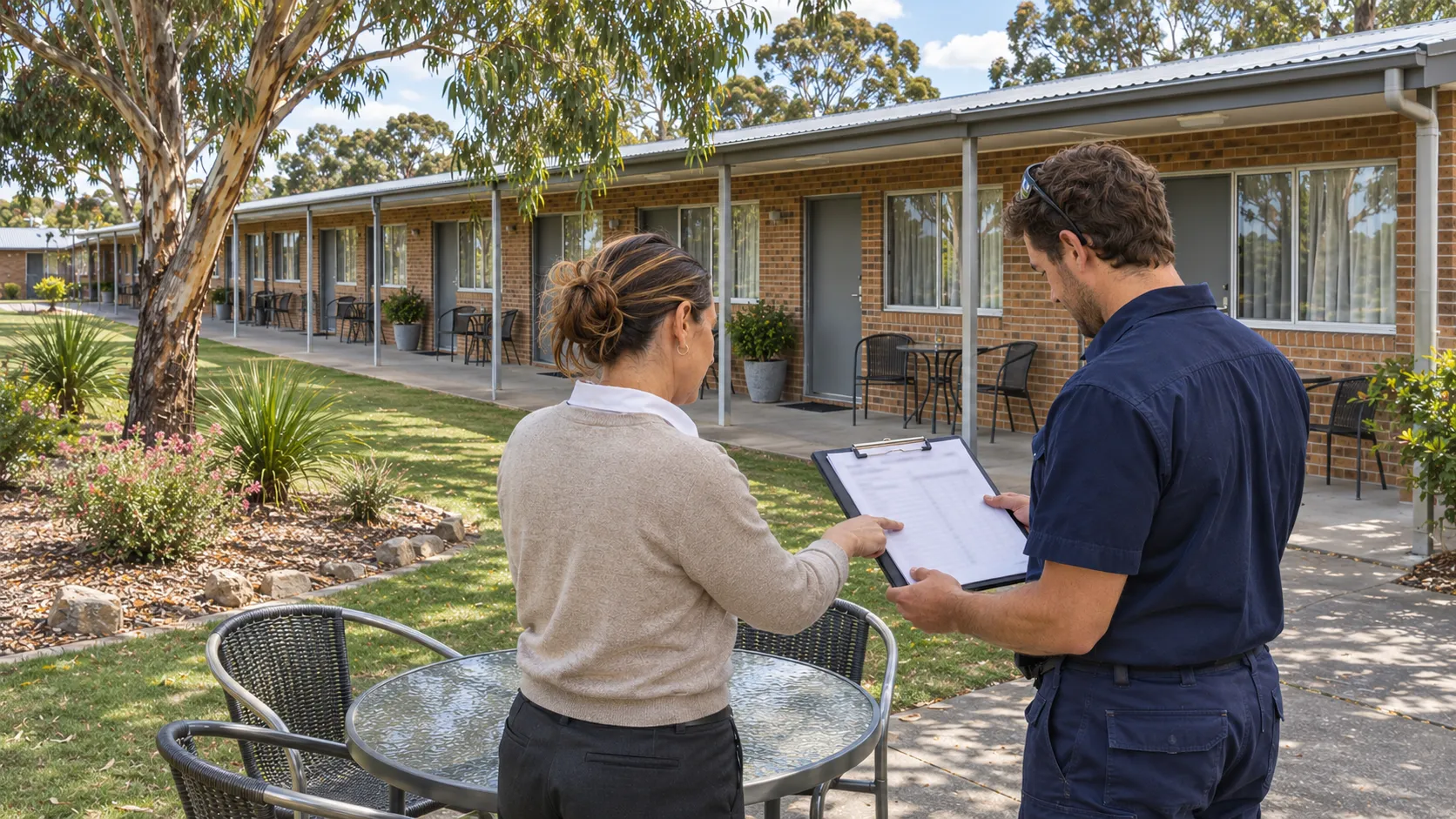
Rather than asking only how often every unit should be serviced, ask what the inspection reveals about your property's usage differences. Which systems show evidence of heavier demand? Which findings require corrective work, and which suggest closer attention during future maintenance?
Ask the technician to explain the relationship between each observation and recommendation. If one room needs additional attention, is that because of actual contamination, a recurring symptom, its operating environment or another identified issue?
Also, clarify whether a recommendation concerns routine maintenance, fault investigation or repairs. These are different types of work, and understanding the proposed scope helps you make decisions about your maintenance budget.
A recommendation should also make clear what maintenance can and cannot achieve. Professional servicing can address identified maintenance needs and support reliable operation, but it cannot guarantee uninterrupted comfort or prevent every future fault.
Deciding for Your Accommodation Business
Air conditioning systems in frequently occupied guest rooms can experience different operating demands from those in quieter parts of an accommodation property. Recognising these differences helps you identify recurring comfort problems, monitor equipment condition and decide.
Rather than applying the same servicing assumptions to every room, consider occupancy patterns, operating conditions and professional inspection findings together. Keeping basic records and communicating specific concerns can also help technicians identify which systems need additional attention and why.
All Coast Air Conditioning can help accommodation operators assess their air conditioning requirements and discuss maintenance considerations. By understanding how your equipment is used and responding to its actual condition, you can take a more considered approach to maintaining comfortable guest rooms and supporting dependable system performance.
We Run Our Business Like a Family
When You Need Help
Get your home the Air Conditioning work it needs from our team at All Coast Air Conditioning. We’re always ready to help.


