
Knowing when to schedule air conditioning maintenance on the Central Coast can make a meaningful difference to system performance, energy efficiency and reliability. Local salt air, humidity and seasonal temperature changes place extra demands on air conditioning systems, making routine servicing an important part of preventing avoidable wear and unexpected breakdowns. All Coast Air Conditioning understands how these local conditions affect residential and commercial systems.
This article explains how the Central Coast climate influences maintenance schedules, why spring and autumn are often the best times to book a service and how regular maintenance helps improve efficiency, reduce repair costs and extend the lifespan of an air conditioning system. It also covers how coastal exposure affects outdoor units and the signs that maintenance may be needed sooner than expected.
Why Spring Is Often the Best Time to Book a Service
Spring is often the ideal time to book an air conditioning service because it falls before the first long periods of hot and humid weather. Servicing at this time ensures the system is clean, efficient and ready to handle summer demand before it is needed every day.
Booking before peak season also makes scheduling easier. Technicians generally have more availability in spring, which can make it easier to secure a suitable appointment and address any minor repairs before the system is under heavier load.
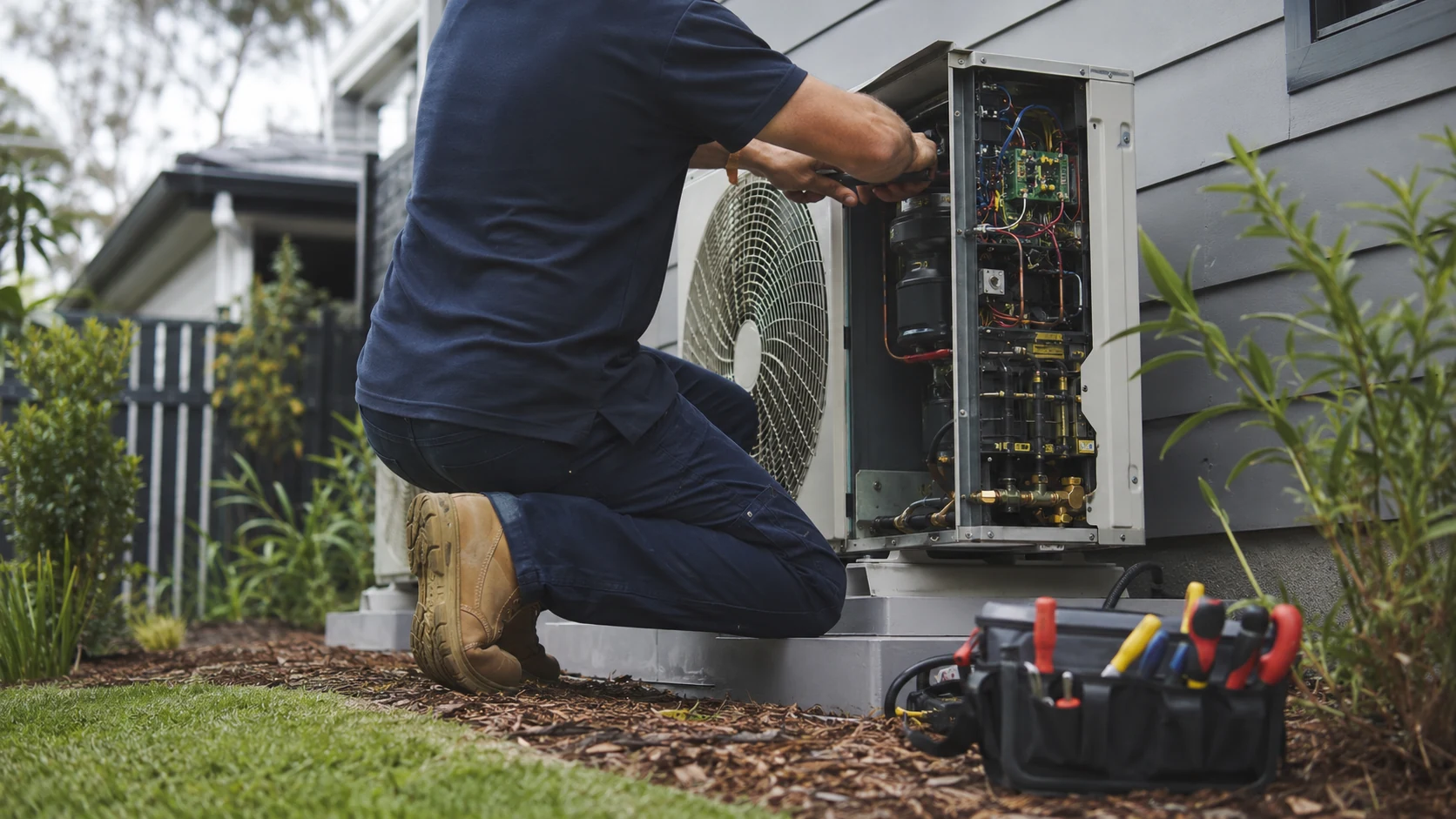
Preparing Before the First Heatwave
The first serious heatwave often exposes problems that have built up quietly over winter. Dust in indoor units, leaves around outdoor condensers, blocked drains and early component wear can all go unnoticed until the system is working harder.
A spring service allows a technician to:
- Clean indoor filters and coils for stronger airflow and more consistent cooling
- Clear debris from the outdoor unit to reduce overheating and airflow restrictions
- Assess refrigerant charge, system pressures and signs of leaks
- Check electrical components, fans and general system operation
Taking these steps before summer helps the system cool faster, cycle more effectively and maintain set temperatures more comfortably, especially during humid Central Coast weather.
Better Efficiency and Lower Running Costs
Power bills often rise over summer when air conditioners run for longer periods. If a system is dirty, blocked or poorly tuned, it has to work harder to deliver the same level of comfort.
Spring servicing usually includes efficiency checks such as:
- Inspecting and cleaning evaporator and condenser coils
- Checking fan operation and airflow
- Testing thermostat accuracy and settings
- Confirming drains are clear and operating correctly
Clean coils, clear filters and proper airflow reduce strain on compressors and fans, which are among the more expensive components to repair or replace. Improving efficiency before summer can also help keep energy use more predictable during the months when cooling demand is highest.
Easier Booking and Faster Turnaround
During peak summer, technicians are often booked with urgent breakdowns, leaving less flexibility for routine servicing or non-critical repairs. This can mean longer wait times and limited appointment windows at the exact time cooling is most needed.
Scheduling in spring usually provides:
- More appointment options
- Shorter waiting periods
- More time to organise minor repairs
- Better access to parts before peak demand increases
This is especially useful for households and businesses that rely heavily on air conditioning, including home offices, retail spaces and properties with elderly residents or young children. Servicing in spring reduces the chance of being caught without cooling during a heat spike.

When Autumn Servicing Can Also Make Sense
Autumn can also be a practical time for air conditioner servicing, particularly for households that missed the late winter or spring window. By this point, the worst of the summer humidity has usually passed and systems are no longer under peak cooling load.
In many cases, autumn servicing can deliver similar performance, efficiency and reliability benefits to a pre-summer service. It gives the system attention after heavy summer use and helps prepare reverse cycle units for cooler months.
Ideal for High-Use or Coastal-Exposed Systems
Properties close to the ocean or homes that have used air conditioning heavily through summer can benefit from an autumn service. Salt-laden air, windblown sand and extended run times can all increase wear on outdoor units and key components.
By early autumn, a technician can:
- Inspect and clean salt-affected outdoor coils before corrosion worsens
- Clear built-up leaves, dust and debris from around the outdoor unit
- Check system pressures and performance after heavy summer use
- Identify early signs of corrosion, worn parts or restricted airflow
Addressing these issues soon after peak season helps prevent small problems from developing into larger faults before the next period of heavy use.
Balancing Cooling Performance and Winter Heating
Many reverse cycle systems are used year-round for both cooling and heating. Autumn is a useful time to fine-tune performance before the unit shifts from mostly cooling to more frequent heating.
An autumn service may include checking indoor filters and coils, confirming thermostat accuracy, testing outdoor fan operation and assessing the system’s heating performance. These checks help the unit operate efficiently when cooler nights arrive.
This timing means the system is not only ready for any remaining warm autumn days but also prepared for winter heating demand.
Easier Scheduling and Less Downtime
Late spring and summer service schedules can fill quickly when breakdowns increase. Autumn servicing avoids much of this congestion, often resulting in shorter wait times and more flexible appointment options.
This can be helpful for larger homes or commercial premises with multiple indoor units, where access and timing need more coordination. Planning maintenance once summer demand eases allows for a more thorough service with less disruption.
Why Waiting Until Peak Summer Can Cause Problems
Leaving air conditioning maintenance until the hottest part of the year increases the risk of poor performance, limited booking availability and unexpected breakdowns. On the Central Coast, where summer heat and humidity can rise quickly, this can lead to uncomfortable indoor conditions and higher running costs.
Servicing before peak season allows issues to be identified early and repairs to be managed in a controlled timeframe. Waiting until late December or January often means joining a queue of urgent callouts when the system is already working its hardest.
Longer Wait Times and Limited Booking Options
Peak summer is one of the busiest periods for air conditioning technicians. Many homeowners switch on their systems during the first real heatwave, which is when hidden problems such as blocked drains, dirty coils, worn capacitors or poor airflow often become obvious.
At this point, appointment availability becomes more limited. Same-day or next-day bookings are usually prioritised for complete breakdowns, while routine maintenance may need to wait. This delay can be particularly difficult for households with young children, elderly residents or people working from home.
Higher Risk of Sudden Breakdowns
When servicing is delayed until peak summer, the system is already under heavy load. Components that may have coped during milder weather are more likely to fail when temperatures and humidity increase.
Common summer problems that regular pre-season servicing can help reduce include:
- Fan motors straining against dust buildup
- Compressors overworking due to dirty coils or poor airflow
- Blocked condensate drains causing indoor water leaks
- Electrical components failing under sustained load
- Systems tripping, short cycling or shutting down unexpectedly
A breakdown during a heatwave can leave a home uncomfortable for days, especially if replacement parts need to be ordered. Early maintenance reduces the likelihood of urgent callouts and helps the system operate more reliably during the hottest periods.
Increased Running Costs and Strain on the System
Air conditioners that have not been cleaned or checked before summer often work harder to achieve the same temperature. Dirty filters, clogged coils, blocked drains or incorrect system operation can force the unit to run longer cycles.
On the Central Coast, where cooling may be needed for long periods on warm days and humid nights, even a small loss of efficiency can increase electricity use. Servicing before summer helps the system reach set temperatures more effectively, cycle as intended and avoid unnecessary strain on major components.
How Coastal Conditions Can Affect Your Air Conditioner
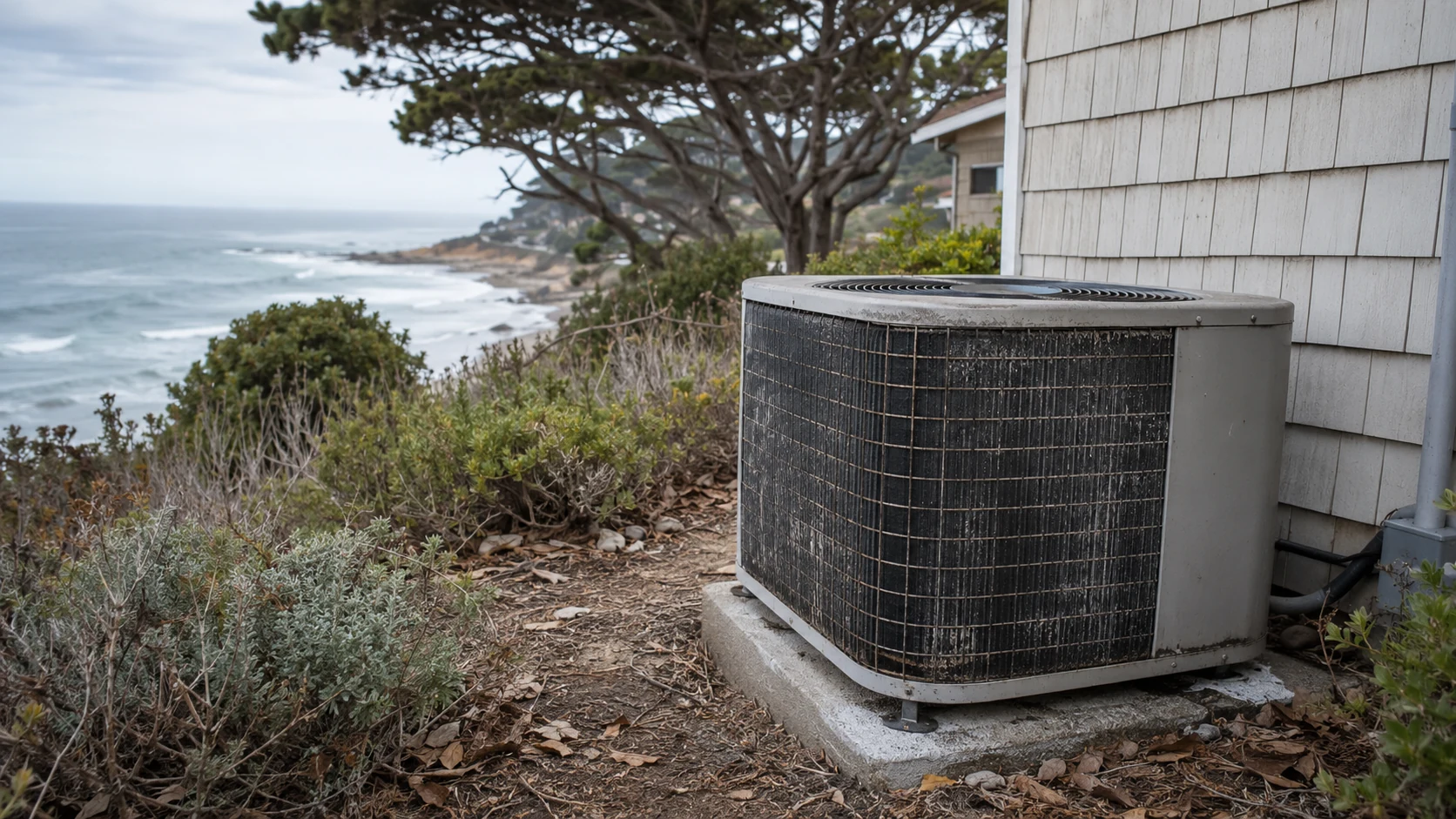
Coastal homes experience harsher conditions than many inland properties, and air conditioners are directly affected by that environment. Salt air, wind, sand and humidity all place extra stress on outdoor units, which can shorten system life if maintenance is neglected.
Understanding how these conditions affect the system helps explain why regular servicing is especially important for Central Coast homes.
Salt Air and Corrosion
Sea air carries fine salt particles that can settle on the outdoor unit throughout the year. Salt attracts moisture and can accelerate corrosion on metal casings, fan guards, brackets, screws and outdoor coils.
Over time, condenser coil fins can become damaged, reducing airflow and heat transfer. Rust can also weaken structural parts, contribute to noisy operation and increase the risk of component failure. In more serious cases, corrosion may contribute to refrigerant leaks and expensive repairs.
Regular servicing helps identify early signs of salt damage and keeps outdoor components cleaner and better protected.
Wind, Sand and Debris
Coastal winds can blow sand, leaves and fine debris into outdoor units. This material can lodge in coil fins, collect around the base of the unit and restrict airflow.
Reduced airflow forces the system to run longer and work harder to achieve the same cooling result. This can increase power use and place extra strain on compressors and fans. In severe cases, the system may overheat or trip on safety controls.
Routine servicing should include careful cleaning of the outdoor coil, checking that the fan spins freely and removing buildup inside and around the unit. Between services, it also helps to keep at least 30 to 60 cm of clear space around the outdoor unit and trim back nearby vegetation before summer.
Humidity, Moisture and Indoor Performance
In humid conditions, air conditioners often work just as hard removing moisture as they do lowering the temperature. High humidity increases condensate production on indoor coils and in drain trays.
If drains are partially blocked by algae, dust or debris, the extra moisture can overflow into ceilings or walls. Moisture buildup inside the indoor unit can also contribute to musty odours, reduced efficiency and poor indoor air quality.
Seasonal servicing should include cleaning indoor filters and coils, checking condensate drains and confirming the system can cool and dehumidify effectively before the most humid months arrive.
When Your Air Conditioner May Need Servicing Sooner
Annual servicing is often enough for many homes, but some systems need attention more frequently. Local conditions, heavy use, pets, dust and early warning signs can all mean maintenance should be brought forward rather than left until the usual yearly visit.
Acting early can help prevent avoidable breakdowns, higher running costs and more expensive repairs.
Dusty, Coastal or Pet-Heavy Homes
Environmental conditions can quickly clog filters and coils. Homes near busy roads, construction areas or open landscapes may experience higher dust levels that are drawn into return air grilles. Coastal properties may also face greater salt exposure around outdoor units.
Homes with dogs or cats often need more frequent filter cleaning because pet hair and dander build up quickly. When this buildup is not cleared, airflow becomes restricted and the system has to work harder.
For these homes, a shorter servicing interval may be sensible. Filters may need cleaning more often, and outdoor coils should be checked for salt, grime or corrosion before damage becomes more serious.
Signs of Declining Performance or New Noises
Any noticeable change in performance is a strong sign that an air conditioner should be inspected sooner rather than later.
Common warning signs include:
- Air that is not as cold as it used to be
- Reduced airflow from vents, even after basic filter cleaning
- Sudden increases in power bills without a clear change in usage
- Water dripping from indoor units or pooling near outdoor units
- New rattling, humming or buzzing noises
- Unpleasant or musty smells when the system turns on
- The system switching off, tripping or struggling to maintain temperature
These symptoms can point to issues such as blocked drains, failing fans, restricted airflow, low refrigerant, electrical faults or dirty coils. Prompt servicing can often catch the problem before it causes compressor damage or a complete system failure.
For newer systems still under manufacturer warranty, early attention is especially important. Continuing to operate a faulty system or failing to maintain it properly may create problems if a warranty claim is later required.
The best time to service an air conditioner is usually before periods of heavy demand, with spring and autumn offering the most practical windows for Central Coast homes. Regular maintenance helps improve efficiency, reduce strain, identify minor faults early and protect outdoor units from salt, humidity and everyday wear. By planning servicing before summer heat or winter heating demand, homeowners can keep their system running reliably and avoid unnecessary repair costs.
We Run Our Business Like a Family
When You Need Help
Get your home the Air Conditioning work it needs from our team at All Coast Air Conditioning. We’re always ready to help.


