
Unpleasant smells coming from your ducted air conditioner can quickly make your home feel uncomfortable. Many households across Australia notice odd odours when switching the system back on for the first time in summer or after periods of high humidity, especially in coastal regions like the Central Coast. As a business owner at All Coast Air Conditioning, I often tell customers that a noticeable change in smell is your system’s way of signalling that something inside needs attention. Because ducted systems deal with moisture, temperature changes and electrical components every day, even a small odour can reveal a specific underlying issue.
Some smells are harmless and easy to troubleshoot. Others can point to mould growth, airflow restrictions, or electrical faults. Understanding what each type of smell means helps you protect your home and keep your ducted air conditioning in Central Coast homes operating safely and efficiently.
Below is a homeowner-friendly breakdown of the most common types of odours and what they usually indicate.

Musty or Mouldy Odours
A musty smell is often the first sign that moisture is building up somewhere inside the system. Many people describe it as the smell of wet fabric or a closed room that has not been aired out. This odour usually appears before mould becomes visible, which makes it a helpful early warning sign.
Why Musty Smells Occur
A musty or damp smell is one of the clearest signs that moisture has collected somewhere inside your system. Many homeowners first assume the smell is coming from carpets or walls, only to realise it is drifting from their vents. This odour tends to be stronger when the system first starts up and often appears before visible mould develops, making it an early warning sign worth investigating.
Condensation on Evaporator Coils
Evaporator coils naturally get cold as they cool your indoor air. This cooling produces condensation, which should drain away through the system. If the drainage pathway becomes blocked or the coil stays wet for too long, mould spores begin growing on the coil’s surface. Over time, the smell becomes stronger and spreads through your ducts every time the system runs.
Blocked or Overflowing Drain Pans
Drain pans catch water that drips from the coils. When the drain line becomes blocked by dust, algae or dirt, the pan fills and the water sits for long periods. Stagnant water quickly starts to smell, and that odour is pushed through your vents when the system operates.
Dirty or Damp Filters
Filters capture dust, pet hair and pollen. When they become saturated or damp, they begin to smell musty, especially when air is forced through them. Many homeowners are surprised at how much difference changing a filter can make to indoor air quality.
Humidity in Coastal Regions
Homes near the coast deal with higher humidity, meaning your system must work harder to manage indoor moisture. When humidity stays high, moisture easily settles inside vents, ducts and filters and odours become more noticeable.
Signs That Mould May Be Developing
Recognising mould-related symptoms early prevents bigger issues down the track. Look for:
- A damp or earthy smell that becomes stronger when the system first starts
- Smells coming from multiple vents rather than one
- Family members experiencing irritation, sneezing or headaches
- More dust collecting around vents than usual
- Subtle dripping sounds that indicate excess moisture
These clues help pinpoint whether mould may be forming inside the system, even if you cannot see it.
How All Coast Air Conditioning Recommends Fixing It
Once moisture is identified, the next step is to remove it and clean affected areas properly. In our experience, the most reliable solutions include:
- Replacing filters to restore clean airflow
- Professionally cleaning evaporator coils to remove mould and bacteria
- Flushing drain lines to ensure proper drainage
- Improving ventilation in areas where moisture accumulates easily
- Adding UV or antimicrobial treatments to prevent recurring mould
These fixes address both the cause and the resulting odours.
Long-Term Prevention
Preventing mould is much easier than removing it repeatedly. A few habits go a long way:
- Schedule annual servicing before summer
- Maintain stable indoor humidity
- Keep furniture and objects away from the return air grille.
- Close windows and doors when running the system to reduce moisture load.
These simple adjustments help protect your system year-round.
Burning or Electrical Smells
A burning smell from your ducted system often triggers immediate worry, and rightly so. While some burning scents are harmless, others indicate overheating or electrical issues that require urgent attention. The key is understanding the nature of the smell and how long it lasts.
Common Reasons for Burning Smells
Burning smells inside a ducted system can come from several different sources. Some are expected after long periods without use, while others point to system strain or damage.
Dust Burning Off
During cooler months or long breaks, dust settles on heating elements, coils and other components. When the system turns on again, the dust burns away and produces a mild, temporary smell. This usually disappears within minutes and does not return.
Overheating Motors or Components
Motors can overheat due to worn bearings, blocked airflow or age-related fatigue. When this happens, the system produces a stronger burning smell similar to hot metal. Unlike dust burn-off, this smell persists and often worsens with use.
Loose or Damaged Wiring
Electrical wiring can loosen over time or deteriorate due to heat. When a connection arcs or insulation begins to melt, it produces a sharp electrical odour. This is one of the most important smells to act on quickly because it poses a genuine safety risk.
Belt or Bearing Problems
Older systems may rely on belts that eventually wear down or rub. As friction increases, the belt produces a burnt rubber smell. Bearings inside motors can fail too, creating unwanted heat and additional burning scents.
When a Burning Smell Is Normal
If your system has been idle for months, a light burning odour that fades within a few minutes is usually harmless. This is simply dust burning away. However, if the smell lingers or returns every time the system runs, it is worth investigating further.
When to Treat It as a Safety Issue
Electrical odours require urgent attention. Stop using your system immediately if:
- The smell lasts more than a few minutes.
- Smoke appears from vents or the indoor unit
- The circuit breaker trips
- You hear buzzing, popping or crackling.
- The smell is sharp, chemical-like or worsening.
These signs often indicate an overheating part or electrical fault.
What All Coast Air Conditioning Checks During Diagnosis
When we respond to burning smell concerns, we run a thorough inspection that includes:
- Checking wiring and terminals for signs of heat or melting
- Testing motor loads and temperatures
- Inspecting belts, bearings and moving components
- Ensuring airflow is not restricted
- Verifying all safety switches are functioning
This helps isolate the cause and prevent further risk.
Dirty Socks Syndrome
Dirty Socks Syndrome may sound lighthearted, but the sour, sweaty smell associated with it can be overwhelming. Homeowners often describe it as a smell that fills the room as soon as the air conditioner turns on, especially during the shoulder seasons when temperatures fluctuate.
Why Dirty Socks Syndrome Happens
This smell is caused by bacterial activity, and certain conditions inside your ducted system make that growth more likely.
Bacterial Growth on the Coil
When moisture lingers on the coil, bacteria begin to form a thin film. This film releases an odour similar to damp gym clothes. Because the smell originates at the coil, it becomes more noticeable the moment airflow begins.
Temperature Fluctuations
Switching between heating and cooling can cause condensation to repeatedly appear and evaporate. This cycle keeps the coil damp, which allows bacteria to thrive and multiply.
Restricted Airflow From Dirty Filters
Without good airflow, the coil does not dry properly. A consistently damp coil is the perfect environment for bacteria, leading to that distinct sour smell.
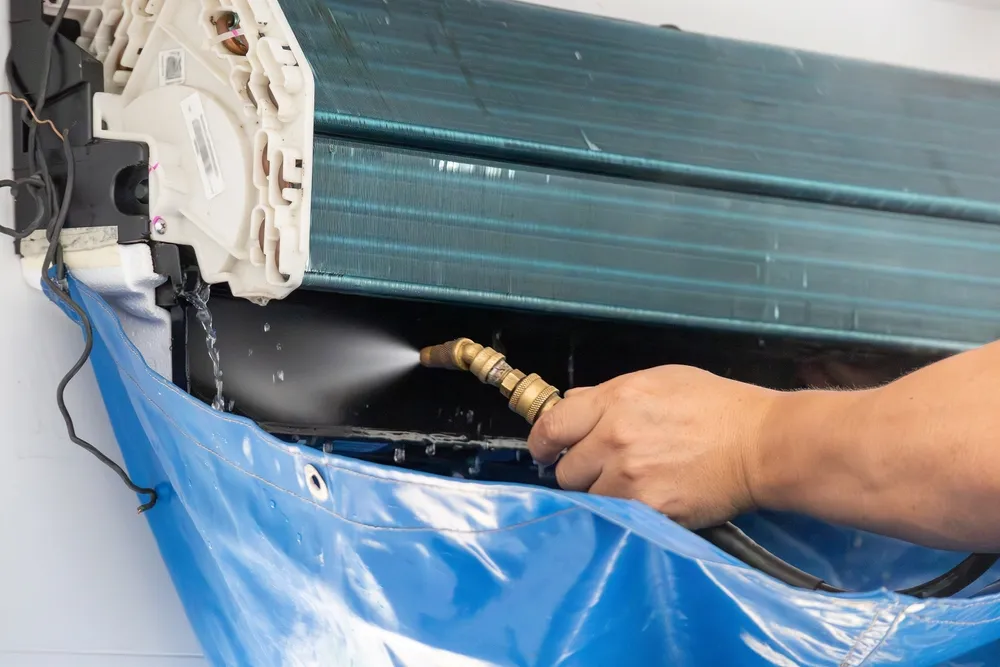
How to Fix Dirty Socks Syndrome
Treatment focuses on eliminating bacteria and restoring healthy airflow. This usually includes:
- Professional evaporator coil cleaning
- Replacing filters during humid months
- Applying antibacterial treatments to the coil
- Ensuring vents remain fully open to promote airflow
Many homeowners notice significant improvement within a single service visit.
How to Prevent It in the Future
Preventing Dirty Socks Syndrome comes down to keeping your coil clean and dry. Simple steps include:
- Maintaining ideal indoor humidity
- Keeping vents unobstructed
- Scheduling yearly servicing
- Avoiding long periods of low fan operation
These habits help maintain consistent airflow and discourage bacterial growth.
Smells Coming From Return Air vs Supply Vents
Where a smell originates can reveal just as much as the smell itself. Identifying whether the odour comes from the return air grille or the supply vents helps narrow down potential causes quickly.
Smells From the Return Air Grille
Smells from the return air grille often relate to something inside the home rather than inside the system.
Indoor Air Quality Issues
The return air pulls in air from inside your living areas. Household smells such as cooking odours, cigarette smoke or pet activity can become trapped and recirculated through the system.
Dirty Filters
A clogged filter restricts airflow, causing air to stagnate. This contributes to dusty or stale smells and makes the system work harder.
Mould in the Return Duct
If moisture gets into the return duct, mould can begin growing on insulation or duct lining, releasing a musty odour.
Smells From the Supply Vents
If the smell is coming from your supply vents, the problem usually lies deeper inside the ducted system.
Mould Inside the Indoor Unit
Mould on the evaporator coil or near the indoor unit produces a distinct smell that spreads through your vents.
Dead Pests in Ductwork
Rodents or insects can sometimes enter ducts through small gaps. If they become trapped, the odour spreads quickly through supply vents.
Electrical Component Issues
Burning or electrical smells coming from supply vents often signal problems with the internal electronics of the system.
Contaminated or Wet Duct Insulation
If insulation inside the ducts becomes wet from condensation or leaks, it can trap mould or odours and release them into the home.
Homeowner Checks Before Calling a Technician
Before booking a service call, you can try a few simple checks to narrow down the cause:
- Replace your filter
- Inspect visible vents for signs of mould
- Check that nothing is blocking airflow.
- Compare the smell in the room to the smell from the vents.
If the odour stays persistent or becomes stronger, it is time for a professional inspection.
When Odours Signal a Safety Issue
Some odours indicate more than poor maintenance or moisture. They can signal safety risks such as electrical faults, refrigerant leaks or gas issues. These smells should never be ignored.
Safety-Related Odours That Need Immediate Action
These odours often indicate conditions that could cause fire hazards or health risks.
Electrical Burning
A sharp burning smell usually means wiring, insulation or a motor component is overheating. This is a warning sign that requires immediate shutdown.
Gas Smells
If your ducted system is connected to gas heating, a gas smell may indicate a leak. This requires emergency action and evacuation.
Chemical Smells
A sweet or chemical-like scent can indicate a refrigerant leak, which not only affects performance but can also pose health concerns.
Smoke From Vents
Smoke is one of the clearest signs that something is burning inside the system. Turn it off at the power source right away.
Why Ignoring These Smells is Dangerous
Electrical and mechanical faults can escalate quickly. Ignoring them may lead to:
- Fire hazards
- Exposure to harmful gases
- Increased repair costs
- Sudden loss of heating or cooling
What All Coast Air Conditioning Does in These Cases
When dealing with urgent odour issues, we immediately:
- Inspect wiring and electrical components
- Check refrigerant pressure for leaks
- Test motors and safety controls
- Locate any overheating parts
- Isolate the system if necessary
Our goal is to identify the cause quickly and ensure your home remains safe.
Strange smells from your ducted air conditioner are more than unpleasant. They are often early indicators that something inside the system needs attention. Some odours are minor and easy to fix, while others require immediate action. At All Coast Air Conditioning, we always encourage homeowners to trust their instincts. If something smells unusual, it is worth checking. Acting early protects your home, improves air quality and keeps your system running efficiently year-round.
We Run Our Business Like a Family
When You Need Help
Get your home the Air Conditioning work it needs from our team at All Coast Air Conditioning. We’re always ready to help.


