
When the summer heat settles over the Central Coast, a struggling or completely non-cooling air conditioner is more than an inconvenience. It can bring your household or business to a standstill. One moment the system seems to be running as usual. The next, you are wondering why the air coming out feels warm or weak. According to the experts at All Coast Air Conditioning, you do not have days to wait and see if the cooling unit fixes itself (especially in the climate of the area). You need to know what is safe to check straight away, and when it is time to switch the unit off and call a licensed air conditioning repair specialist on the Central Coast, before a small issue turns into a costly breakdown.
This guide from All Coast Air Conditioning walks you through that process step by step from a practical, on-the-ground perspective. We start with what to check first when your air conditioner stops cooling, using quick and safe troubleshooting steps you can do at home without tools or technical training. We then look at common reasons an air conditioner can appear to be running but still not cool your home. Finally, we outline the warning signs that it is time to stop troubleshooting before turning the system off and calling for professional repairs to protect both your unit and your safety. The goal is to help you stay calm while avoiding unnecessary damage or expense and restoring cooling as efficiently as possible.
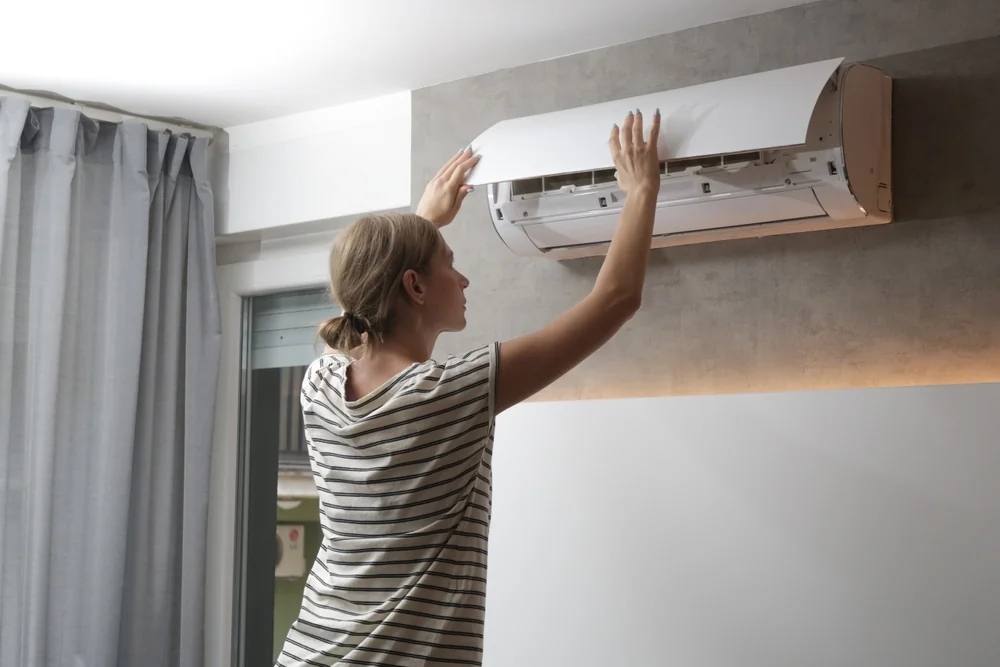
What to Check First When Your Air Conditioner Stops Cooling
When your air conditioner suddenly stops cooling, it is natural to worry that something major has gone wrong. Before assuming the worst, there are several straightforward checks we always recommend homeowners and business owners complete first. These basic steps often resolve the issue quickly or at least give you clearer information if professional help is needed.
Confirm Cooling Mode and Temperature Settings
The first step is to take a careful look at the controller or thermostat. While it may sound obvious, we regularly attend call-outs where the system is simply not set correctly. Make sure the unit is set to Cool rather than Heat or Fan Only or Auto. This may prioritise a different mode based on previous use. On many split system remotes, cooling mode is shown with a snowflake icon. On ducted systems, it is usually labelled clearly on the wall controller.
Next, check the temperature setting. If it is 28 to 30 degrees inside and the thermostat is set to 25 or 26 degrees, the system may run without producing noticeable cooling straight away. For testing purposes, lower the set point to around 22 or 23 degrees and allow the system 10 to 15 minutes to respond.
Also confirm that the fan speed is not set too low. Very low or quiet fan settings can make it feel as though the system is not cooling even when it is. Temporarily switching to a normal or high fan speed can help you judge whether the system is performing properly.
Check Thermostat Power and System Power Supply
If the system is unresponsive or the display is blank, check that it has power. Look at the thermostat or remote to see if the screen is active. If you are using a handheld remote, replace the batteries as they are a common cause of apparent system failure.
Next, inspect your electrical switchboard. Many air conditioner models have a dedicated circuit breaker. If it has tripped, reset it once only. If it trips again shortly after restarting the system, do not continue resetting it. This indicates a fault that requires a licensed technician.
For outdoor units, check the isolation switch located near the unit. Gardening or cleaning or building work can sometimes result in this switch being accidentally turned off.
Make Sure Airflow and Vents Are Not Blocked
Poor airflow can prevent effective cooling even when the system is running. On split systems, place your hand near the indoor outlet to confirm air is coming through and that the louvres are open and directing air into the room. On ducted systems, make sure supply vents are open and not blocked by furniture or curtains or stored items.
Return air is equally important. Locate the return air grille (often positioned in a hallway or central area) and ensure it is not obstructed. A dirty or blocked return air filter can significantly reduce airflow and cooling performance.
Finally, inspect the outdoor unit. It needs adequate clearance to draw in and expel air. Overgrown plants or stored items around the unit can cause overheating and reduced cooling. Gently clear debris without using high-pressure water or bending the coil fins.
Quick and Safe Troubleshooting Steps You Can Do at Home
When an air conditioner stops cooling, there are several simple checks that can be safely carried out before calling for repairs. These steps can sometimes restore comfort quickly and help technicians diagnose the issue more accurately if professional service is required.
Check and Clean the Air Filter
Dirty air filters are one of the most common causes of poor cooling during Central Coast summers. Restricted airflow forces the system to work harder and can lead to icing and shutdowns.
Turn the system off at the controller before opening the indoor unit. Carefully lift the front panel to access the filters, which are usually mesh or plastic-framed. If the filters appear dusty or light does not pass through them easily, they need cleaning.
Rinse washable filters with lukewarm water and gently remove dust using a soft brush or cloth. Avoid hot water or harsh chemicals. Allow the filters to dry completely in the shade before reinstalling them, as moisture can encourage mould growth in humid coastal conditions.
Once dry, refit the filters before closing the panel and restarting the system. Allow 10 to 15 minutes to assess whether airflow and cooling improve.
Inspect the Outdoor Unit for Blockages or Fan Issues
The outdoor unit must be able to release heat effectively. Leaves and garden debris are common problems in the area.
Turn the system off and visually inspect around the unit. Ensure there is clear space on all sides and above. Remove loose debris carefully and avoid inserting tools through the grille or damaging the fins.
After restarting the system, observe whether the fan runs smoothly. If the fan does not spin or makes grinding or screeching noises or you notice a burning smell, turn the unit off immediately and leave it off until inspected by a technician.
Look for Ice Build-Up and Signs of Water Leaks
Ice on the indoor or outdoor unit usually indicates airflow problems or low refrigerant or component faults. With the system off, inspect visible coil areas and pipework for frost or ice.
If ice is present, leave the system off and run the fan mode if available to allow safe defrosting. Place towels under the indoor unit if water dripping is expected. Never scrape ice off coils, as this can cause serious damage.
Also check for water leaks around the indoor unit. Blocked condensate drains can cause water overflow and lead to wall or ceiling or electrical damage. If leaking continues, leave the system off and arrange professional service.
Common Reasons an Air Conditioner Runs but Does Not Cool
When an air conditioner is running but not producing cool air, the problem is usually internal rather than operational. Issues with airflow or refrigerant or key components can prevent proper heat transfer even though the system appears active. Understanding these causes helps explain why the unit sounds normal but fails to cool effectively.
Restricted Airflow and Dirty Coils
One of the most frequent causes of poor cooling is restricted airflow. Dirty filters or blocked grilles return air prevent sufficient air from passing over the indoor coil. This can cause the coil to ice up and reduce cooling output.
Dirty indoor and outdoor coils also reduce efficiency. Indoor coils can become coated with fine dust while outdoor coils are exposed to salt air and debris. Salt corrosion is a particular concern in coastal areas, as it restricts heat transfer and leads to warm air circulation indoors.
In many cases, thorough cleaning of filters and coils and airflow paths restores normal operation. Regular maintenance is especially important in humid and coastal environments.
Refrigerant Issues Like Low Gas or Leaks
Refrigerant problems are another common cause of poor cooling. Low refrigerant levels reduce the system’s ability to absorb heat, resulting in long run times and weak cooling. Refrigerant does not get used up, so low levels indicate a leak.
Leaks are often found at joints or valves and even corroded coils, particularly in salt-exposed areas. Proper leak detection and repair require licensed equipment and compliance with regulations. Simply topping up refrigerant without fixing the leak is ineffective and often leads to repeat failures during peak summer demand.
Component Faults Such as Capacitors or Sensors or Compressors
Electrical and mechanical component faults can allow the system to appear operational without effective cooling. Failed capacitors may prevent the compressor or outdoor fan from starting correctly. Faulty sensors can cause incorrect temperature readings and reduced cooling output.
Compressor issues are more serious and may present as continuous operation with poor cooling or increased noise or repeated breaker trips. Professional diagnosis is essential to determine whether repair or replacement is the most cost-effective option based on system age and condition.
When to Stop Troubleshooting and Call for Repairs
There is a point where continued troubleshooting can cause more harm than good. Electrical faults or refrigerant issues and mechanical failures require professional assessment to avoid safety risks and costly damage. Knowing when to stop protects both the system and the people using it.
Signs of Electrical Risk or Unsafe Operation
Some situations require immediate shutdown and professional attention. If breakers trip repeatedly, burning smells are present or you notice sparking or buzzing sounds, turn the system off and do not restart it. Water near electrical components or damaged cables also pose serious safety risks and should be treated as urgent issues.
What to Note Before Calling a Technician
Providing clear information helps speed up diagnosis. Note whether the indoor fan runs, whether the outdoor unit starts and whether the system shuts down after a short time. Record any error codes or flashing lights and whether the issue affects one area or the entire property.
If available, note the installation date and service history. This information helps technicians assess whether the issue is due to wear, maintenance or a sudden fault.
Simple Steps That Help Prevent Future Breakdowns
Regular filter cleaning every four to six weeks during peak summer reduces system strain. Keeping outdoor units clear and setting realistic thermostat temperatures also improve reliability. For most conditions, 24 to 25 degrees in summer provides a good balance between comfort and efficiency.
Scheduled professional servicing before peak seasons allows early detection of issues such as leaks or worn components and even corrosion. Consistent maintenance and sensible operation greatly reduce the risk of unexpected breakdowns.
We Run Our Business Like a Family
When You Need Help
Get your home the Air Conditioning work it needs from our team at All Coast Air Conditioning. We’re always ready to help.


