
When the coastal heat sets in, a reliable cooling system becomes essential for maintaining comfort and controlling energy costs. Most air conditioning systems do not fail without warning. Instead, they present a series of subtle signs that indicate declining performance or developing faults. Recognising these early signals allows minor issues to be addressed before they escalate into major repairs or full system replacements, particularly when dealing with air conditioning repair in Central Coast conditions, where systems often operate under sustained demand.
All Coast Air Conditioning outlines the most common indicators that an air conditioner requires professional attention. It explains what unusual noises may suggest, why weak airflow or uneven cooling should not be ignored, how leaks or odours can signal hidden faults and when rising energy consumption reflects system inefficiency. It also clarifies when basic maintenance may resolve the issue and when a comprehensive inspection is necessary. Understanding these warning signs supports better decision-making, reduces the risk of unexpected breakdowns during peak heat and helps extend the lifespan of the system.
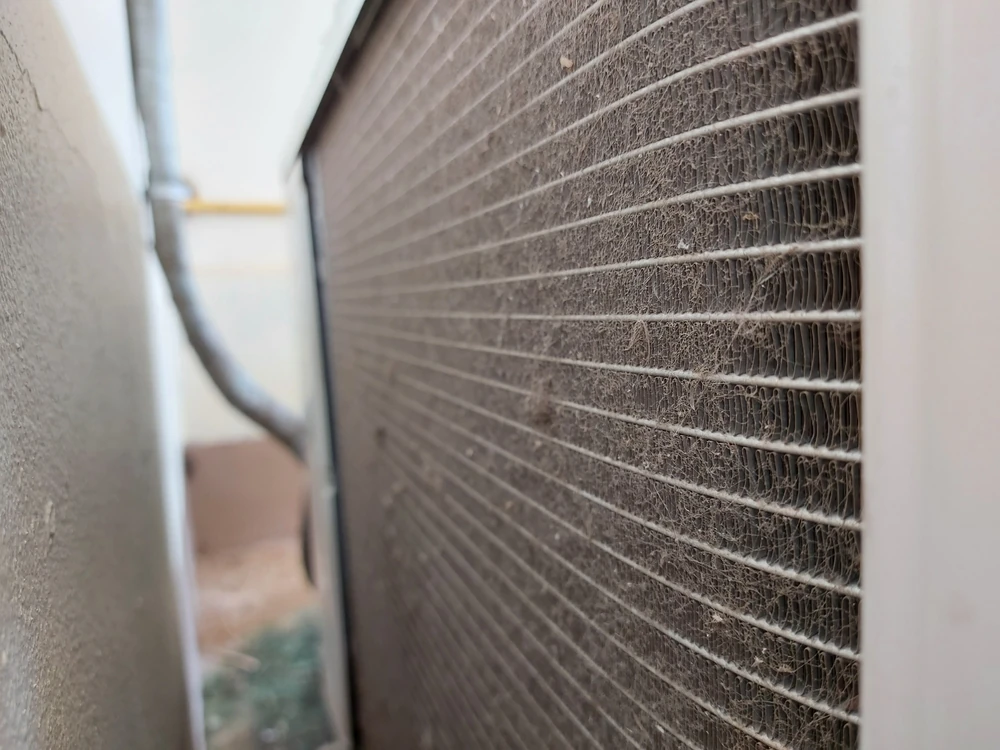
Signs Your Air Conditioner May Need Repair
Recognising early signs of trouble in an air conditioner can prevent small issues from turning into expensive breakdowns. Most systems give clear warning signals when performance is slipping or a component is failing. Paying attention to these changes helps protect comfort, indoor air quality and energy costs.
The following are the most common and important signs that an air conditioner needs professional attention. If any of these appear consistently rather than just once on an extremely hot day, a prompt inspection is recommended.
Weak or Inconsistent Cooling
A clear indicator of a problem is air that is no longer as cold as it used to be or that takes much longer to cool the home. Vents may be blowing room temperature air even though the thermostat is set much lower. Some rooms may feel comfortable while others remain warm, suggesting airflow problems, blocked ducts, low refrigerant or issues with the indoor fan.
If the system runs for long periods without reaching the set temperature, it is usually a sign of reduced efficiency. This can be linked to dirty coils, failing capacitors or a refrigerant leak. Continued operation in this condition not only increases energy bills but can also strain the compressor, which is one of the most expensive parts to replace.
Unusual Noises or Smells
Air conditioners are never completely silent, but new or changing noises signal that parts may be worn or loose. Grinding or scraping sounds can indicate motor or bearing issues. Banging or clunking often points to loose components in the blower or outdoor fan. High-pitched squealing can be related to belt or motor problems and clicking that continues after startup may indicate electrical faults.
Odours from the vents also require attention. A musty smell that recurs when the unit runs may indicate mould growth in the indoor unit or drain system. A sharp, burnt smell can point to overheating electrical components or wiring problems. Any persistent or worsening odour should be checked quickly, as it can affect safety and indoor air quality.
Short Cycling or Constant Running
Short cycling occurs when the air conditioner turns on and off frequently without completing a full cooling cycle. This can be caused by a faulty thermostat, incorrect system sizing, dirty filters, frozen coils or failing electrical components. Short cycling wastes energy, increases wear and often leaves the home unevenly cooled.
The opposite problem is a system that runs almost constantly except on very mild days. Constant operation suggests that the unit is struggling to reach the thermostat setting due to low refrigerant, dirty coils, restricted airflow or a failing compressor. Both issues justify a professional assessment to prevent further damage and restore proper performance.
Higher Energy Bills or Visible Leaks
A sudden, unexplained jump in electricity usage during the cooling season usually indicates that the system is working harder than it should. If household habits and weather have not changed, higher bills often trace back to reduced efficiency or a failing part.
Visible moisture or pooling water around the indoor unit is another red flag. This may be caused by a blocked condensate drain, a damaged drain pan or freezing and thawing of the indoor coil. In some cases, oily residue around the outdoor unit can indicate a refrigerant leak, which should always be dealt with by a licensed technician.
What Common Air Conditioning Problems Can Mean
Common air conditioning problems are often the first warning that a system is heading for a breakdown. Understanding what different noises, smells or performance issues usually indicate helps identify when a simple fix is enough and when professional repair is needed to prevent bigger damage.
Most faults fall into a few clear categories. Unusual sounds often point to mechanical wear. Poor airflow or weak cooling usually signals a restriction or refrigerant issue. Strange smells or moisture around the unit can suggest electrical faults, blocked drains or even mould that affects indoor air quality.
Weak Cooling or Warm Air
Clogged filters or blocked return air grilles restrict airflow so the system struggles to move enough cool air. Neglected filters can also cause the indoor coil to ice up, which further reduces cooling. Cleaning or replacing filters regularly and keeping furniture away from returns often restores performance if the problem is caught early.
If airflow feels normal yet the air is still warm, the likely cause is low refrigerant or a failing compressor. Low refrigerant usually results from a leak rather than “using up” gas. Signs include longer run times, uneven temperatures across rooms or ice on the outdoor or indoor unit. In these cases, professional testing for leaks and proper recharging are essential to avoid compressor damage.
Moisture Leaks or Ice Build Up
Water pooling around the indoor unit or stains on nearby walls or ceilings typically means a blocked condensate drain or damaged drain pan. If not cleared, this moisture can lead to mould growth or structural damage.
Ice on refrigerant lines or the indoor coil usually results from low airflow caused by dirty filters, blocked ducts or a failing fan motor. It can also be linked to low refrigerant. Operating the system while iced up forces the compressor to work harder and can shorten its life, so the unit should be turned off and inspected as soon as ice is noticed.
What You Can Safely Check Yourself First
Before calling a technician, there are a few simple checks that can confirm whether the problem is minor or if professional attention is likely. These steps are safe for most homeowners to carry out and often resolve common issues, such as a unit not turning on or not cooling effectively.
None of these checks involve opening sealed panels, handling wiring or working with refrigerant. Anything beyond the points below should be left to a licensed air conditioning professional.

Check Power Supply and Controls
Begin with the basics. Many apparent breakdowns are caused by a loss of power or incorrect settings. Confirm the following in order:
- The thermostat or controller is set to cooling mode, not fan or heating
- Target temperature is set lower than the current room temperature
- The unit is actually switched on at the controller and at the wall isolator if fitted
If the indoor or outdoor unit is completely dead, check the relevant circuit breaker or fuse in the switchboard. If it has tripped, reset it once only. If it trips again, do not keep resetting it as this points to an electrical fault that requires a licensed technician.
Inspect Airflow and Filters
Start with the return air grille or the front panel of the indoor split system. If the grille looks dusty or the filter appears grey or matted, remove the filter according to the manufacturer's instructions and clean it. For washable filters, a gentle vacuum or rinse with lukewarm water followed by complete drying is usually sufficient.
Check that all supply vents are open and not blocked by furniture, curtains or toys. Closed or obstructed vents can cause uneven cooling and strain on the system. If air feels weak from all vents, even with clean filters, note this for the technician, as it may indicate fan or duct issues that are not safe to address without training.
Look Around the Outdoor Unit
The outdoor condenser requires clear airflow to reject heat effectively. If it is smothered by debris, the system will struggle to cool and may shut down on high-pressure faults. Visually check that:
- There is at least a clear gap around the sides of the unit as per manufacturer guidance
- Leaves, grass clippings, rubbish or soil are not blocking the coil fins
- No plants are growing into or against the casing
Gently remove loose debris from around the base and sides. Do not open panels, bend fins or spray high-pressure water into the coil, as this can cause damage.
When to Call a Professional for Air Conditioning Repair
Some air conditioning issues can be handled with simple checks like changing a filter or resetting a tripped breaker. Others indicate deeper problems that require a licensed technician. Knowing the difference prevents small faults from turning into expensive breakdowns and helps keep the system operating safely and efficiently during peak heat.
Professional help is essential whenever there are persistent performance issues, electrical symptoms or signs of component failure. The following situations are clear indicators that expert diagnosis and repair are needed rather than DIY attempts.
Persistent Cooling Problems
If basic steps such as cleaning or replacing the filter and checking the thermostat settings do not restore normal cooling, professional attention is necessary. Ongoing temperature issues usually point to faults that are not visible from the outside.
Signs to watch for include rooms that never reach the set temperature, air that feels only slightly cool even with the thermostat set low or inconsistent temperatures between rooms that used to be even. These symptoms can indicate low refrigerant, a failing compressor, a blocked or damaged coil or problems in the ductwork. Handling refrigerant requires a licensed technician and incorrect repairs can seriously damage the system.
Electrical, Water and Safety Concerns
Any electrical irregularity linked to the air conditioner calls for immediate professional attention. This includes circuit breakers that trip repeatedly when the system starts, lights that dim noticeably every time the unit kicks in or visible damage to wiring or the outdoor unit. Continuing to run the system in these conditions increases the risk of failure or fire.
Water where it should not be is another sign to act quickly. Pooled water around the indoor unit, water stains near vents or constant dripping from the indoor system often indicate a blocked drain, a damaged drain pan or a more serious internal fault. If the unit is turning to ice or frost is visible on the pipes or coil, running it can cause further damage and a technician should inspect it promptly.
Finally, any sign of smoke, a burning plastic smell or sparks means the system should be turned off at the power supply and a professional contacted before it is used again.
Why Delaying Repairs Can Lead to Bigger Problems
Putting off air conditioning repairs rarely saves money or time. Minor faults in an AC system often develop into major breakdowns that are more expensive to fix and can shorten the life of the unit. Addressing issues early keeps the system running efficiently and reduces the risk of sudden failure during peak summer heat.
Small warning signs such as unusual noises, reduced airflow or higher energy bills act as early clues that a component is struggling. Ignoring these clues allows extra wear on the system, which frequently spreads from one part to several others.
Higher Energy Bills From Struggling Components
A slightly blocked filter, a failing fan motor or a small refrigerant leak forces the system to run longer cycles. The compressor stays on for extended periods, consuming more power. What could have been a quick clean or a small repair can quickly become weeks or months of inflated running costs that often exceed the price of early maintenance.
In addition, extended strain on the system can cause it to short-cycle, which means it turns on and off frequently. Short cycling is highly inefficient and stresses electrical components, leading to premature breakdowns.
Minor Wear Turning Into Major Damage
Air conditioners rely on a balance between airflow, refrigerant levels and electrical performance. A problem in one area often triggers problems in others if left unattended.
For example, restricted airflow from a dirty coil or blocked return grille can cause the evaporator coil to freeze. A frozen coil may then lead to water leaks when it thaws, which can damage ceilings, walls or internal components. Over time, the compressor may be forced to operate outside its ideal conditions, which is one of the most expensive parts to replace.
Similarly, a small refrigerant leak not only reduces cooling capacity but also causes the compressor to run hotter. Persistent overheating can burn out the compressor windings. At that point, repair costs can approach the price of a full system replacement.
Electrical issues such as loose connections or a failing capacitor can start as intermittent faults. If ignored, these can result in burnt wiring, tripped breakers or complete system failure, often on the hottest days when the unit is under maximum load.
Reduced Comfort and Shortened System Lifespan
Delaying repairs also affects comfort. Uneven temperatures, more humidity inside the home or constant running without reaching the set temperature indicate the system is not performing correctly. Living with these issues usually means the AC is running longer than necessary, which increases wear on moving parts.
Over several seasons, this accumulated strain shortens the lifespan of the entire system. Instead of achieving 10 to 15 years of effective service, an air conditioner that operates for long periods with unresolved faults may fail earlier, requiring an unexpected replacement.
Recognising when an air conditioner requires repair comes down to observing changes in performance, efficiency and overall comfort. Indicators such as unusual noises, reduced airflow, uneven temperatures, short cycling, increased energy consumption and persistent odours all point to underlying issues within the system. Addressing these signs early helps maintain indoor air quality, supports efficient operation and reduces the likelihood of more extensive and costly damage. A proactive approach to maintenance and repair ensures consistent comfort, controlled operating costs and a longer service life for the air conditioning system.
We Run Our Business Like a Family
When You Need Help
Get your home the Air Conditioning work it needs from our team at All Coast Air Conditioning. We’re always ready to help.


