
Keeping your home in the Central Coast cool should not feel like a constant battle with rising energy bills and unpredictable temperature swings. Many households end up paying more than they need to because they are not aware of how small habits and hidden inefficiencies affect comfort. Our team at All Coast Air Conditioning sees this when helping clients manage their systems, especially when discussing air conditioning maintenance in Central Coast. Once you understand what influences cooling performance, it becomes much easier to take control of energy use without losing the comfort you rely on.
The good news is that there are many ways to reduce costs without sacrificing the cool air your home needs during warmer days. Simple changes often make a big difference, and these adjustments can extend your system’s lifespan as well. By focusing on heat reduction and smart cooling habits, every part of your home can work together to keep indoor temperatures stable. We believe that practical steps done consistently can give your home a more balanced and efficient cooling experience.

Understand the Real Factors Behind High Cooling Costs
High cooling costs usually come from a mix of environmental and household habits that place pressure on your system. Many homeowners do not realise how small details around the home can make a unit work harder for longer periods. As the system struggles to maintain the right temperature under these conditions, energy use naturally increases. Understanding these influences helps you find the right areas to adjust so your cooling becomes more efficient.
How Heat Gain Influences System Workload
Heat gain affects how long a system runs because it raises the indoor temperature faster than the unit can remove it. When a home has poor shading or large exposed windows, the cooling system must operate for longer cycles just to keep up. Identifying the biggest sources of heat gain is the first step towards lowering your overall cooling needs.
- Large glass areas allow external heat to build up inside the home quickly, forcing the system to run harder for longer periods to maintain a stable indoor temperature.
- Poorly shaded outdoor areas or direct sunlight hitting walls and surfaces increases heat absorption, pushing the cooling unit to work at a higher level throughout the day.
- Dark roof materials absorb and retain more heat, leading to higher internal temperatures that demand longer system cycles and increased electricity use.
Household Factors That Increase Energy Use
Many everyday habits inside the home can unknowingly raise cooling costs. Simple behaviours like leaving lights on or blocking vents all influence how efficiently cool air flows. Understanding these household factors helps you make quick adjustments that support smoother performance.
- Heat from appliances such as ovens and dryers spreads quickly through living spaces, making your system work harder to stabilise indoor temperatures during peak hours.
- Closed doors or obstructed vents restrict airflow, causing uneven cooling that forces the system into longer cycles as it tries to balance temperatures in different rooms.
- Storing large items close to return grilles limits air circulation, reducing system efficiency and increases the energy needed for each cooling cycle.
How Insulation Quality Affects Indoor Temperature
Insulation plays a major role in keeping cool air inside the home and preventing warm air from entering. When insulation is old or insufficient, temperature changes become more noticeable. The system ends up working harder and longer to restore comfort. Checking insulation condition helps you identify whether your home is losing cooled air without you realising it.
- Poor insulation allows warm air to seep into living spaces, increasing the frequency and duration of cooling cycles that raise your overall electricity use.
- Gaps in older insulation materials create pockets where heat transfer happens faster, leading to rooms that feel warmer even when the system runs at full capacity.
- Insulation that has settled or compacted over time becomes less effective at resisting heat transfer, resulting in higher indoor temperatures that require more cooling support.
Improve System Airflow and Routine Maintenance
Strong airflow is essential for any system that needs to run efficiently throughout the day. When air moves freely through ducts and vents, your system can deliver consistent temperatures without unnecessary strain. Routine maintenance ensures that no hidden blockages or worn components interfere with performance. A clean and well-maintained system naturally uses less energy and keeps your home more comfortable.
The Importance of Clean Filters and Open Vents
Filters and vents are often the first parts to collect pet hair and other airborne particles. When they become clogged, airflow slows down and the system has to operate longer to reach the desired temperature. Keeping these areas clean helps ensure the system works smoothly.
- A dirty filter restricts airflow, forcing the unit to run harder and longer as it tries to push cool air through a blocked surface.
- Closed or obstructed vents cause uneven cooling patterns in different rooms, leading to longer cycles and increased energy use.
- Clean filters keep indoor air fresher and allow the system to move cool air more efficiently, reducing overall running costs.
Why Airflow Efficiency Impacts Comfort and Costs
Airflow efficiency affects how quickly and evenly cool air spreads through your home. When air moves smoothly, your system finishes cycles faster and uses less energy. Poor airflow has the opposite effect and can create warm pockets that lead to overuse of the system.
- Restricted airflow makes the system run longer, driving up energy use and increasing wear on internal components.
- Poor duct design or leaks can cause cool air to escape, reducing system efficiency and resulting in higher operating costs.
- Balanced airflow ensures consistent comfort throughout the home, lowering the need for frequent thermostat adjustments that raise electricity bills.
The Role of Professional Servicing in System Efficiency
Professional servicing helps identify issues that homeowners may not notice until performance declines. Regular checks ensure that all system parts work together without unnecessary strain. A professionally serviced system often lasts longer and operates more efficiently.
- Skilled technicians can detect minor problems early, preventing costly repairs and ensures the system continues running at optimal efficiency.
- Servicing includes checking refrigerant levels, influencing system performance and prevents overworking that leads to higher energy bills.
- Professional assessment helps confirm that ducts and other electrical components are working correctly, improving airflow and lowers overall cooling costs.
Adopt Smart Cooling Habits Throughout the Day
Daily habits influence how well your cooling system performs and how much electricity it consumes. Small adjustments in how you use the system can noticeably lower your energy use. Smart cooling habits reduce the workload on your system without reducing comfort. Consistency makes these habits even more effective in the long run.
Setting Thermostats for Maximum Efficiency
Choosing the right thermostat setting can make a big difference in how long your cooling system runs. A small temperature change can significantly reduce the strain on the system. Consistent thermostat management helps maintain comfort without overusing energy.
- Setting the thermostat slightly higher keeps the home comfortable while reducing how often the unit needs to cycle during peak heat.
- Using programmable settings ensures the system runs only when needed, reducing unnecessary energy consumption.
- Keeping thermostat locations away from heat sources prevents inaccurate readings that force the system to run longer.
Cooling Only the Spaces You Use
Cooling unused rooms wastes energy and increases costs. Focusing your cooling efforts on the rooms you spend time in helps reduce running time and overall electricity use. This approach supports a more efficient way to stay comfortable.
- Closing doors to unused rooms reduces the area that needs cooling, helping the system complete cycles more quickly.
- Directing airflow towards common areas ensures that only lived-in spaces receive cooled air, bringing down the overall energy consumption.
- Avoiding the cooling of empty rooms reduces unnecessary run time, extending the life of your system.
Using Natural Ventilation to Your Advantage
Natural ventilation helps reduce indoor heat before you turn on the cooling system. Fresh air can lower indoor temperatures when used at the right time. Using natural airflow reduces the strain on your cooling system.
- Opening windows during early morning or late evening allows cooler outdoor air to flow through the home, reducing the amount of cooling needed later.
- Cross ventilation helps remove warm indoor air, lowering temperature levels and reducing system run time.
- Using natural breezes before turning on mechanical cooling helps stabilise indoor temperatures, leading to lower energy costs.
Upgrade Key Components for Better Energy Efficiency
Upgrading key components improves system performance and reduces long-term energy use. Many older systems operate at lower efficiency levels, causing higher running costs. Newer technologies can deliver stronger cooling while using less electricity. Upgrades also help create a more balanced indoor environment.
Benefits of High-Efficiency and Inverter Systems
High-efficiency and inverter systems deliver consistent cooling with less power. They adjust output based on demand rather than running at full power all the time. This results in smoother performance and reduced electricity use.
- Inverter systems adjust their speed to match cooling needs, reducing startup power usage and provides more stable temperatures.
- High-efficiency units use advanced components that reduce energy consumption while delivering reliable cooling.
- These systems help maintain comfort with less overall strain, leading to lower energy costs and longer system lifespans.
How Zoning and Insulation or Duct Upgrades Reduce Costs
Zoning helps you control which areas of the home receive cooling. Better insulation and improved ductwork keep cool air where it needs to be. These upgrades often reduce the amount of cooling needed each day.
- Zoning separates the home into areas so only specific zones receive cooling, preventing unnecessary energy use.
- Upgraded insulation helps retain cool air for longer periods, reducing cycling and lowers overall electricity consumption.
- Improved duct materials or sealed joints prevent air leakage, giving system efficiency a boost and reducing energy costs.
Costs and Long-Term Savings of System Upgrades
While upgrades can involve upfront costs, long-term savings often make them worthwhile. Improved components reduce energy use and extend system lifespan. Many homeowners notice a difference in comfort and performance soon after upgrading.
- Modern systems operate at higher efficiency, reducing energy bills and provides more predictable cooling performance throughout the year.
- Upgraded components experience less strain, lowering the risk of breakdowns and reduces repair costs over time.
- Long-term savings often outweigh initial costs because efficient systems use less electricity and maintain comfort more consistently.
Minimise Heat Before It Enters Your Home
Reducing heat before it enters the home helps your cooling system work more efficiently. External heat control creates a barrier that keeps indoor temperatures lower for longer. Simple outdoor improvements combined with smart indoor adjustments can significantly reduce the system’s workload. This results in better comfort and lower cooling costs.
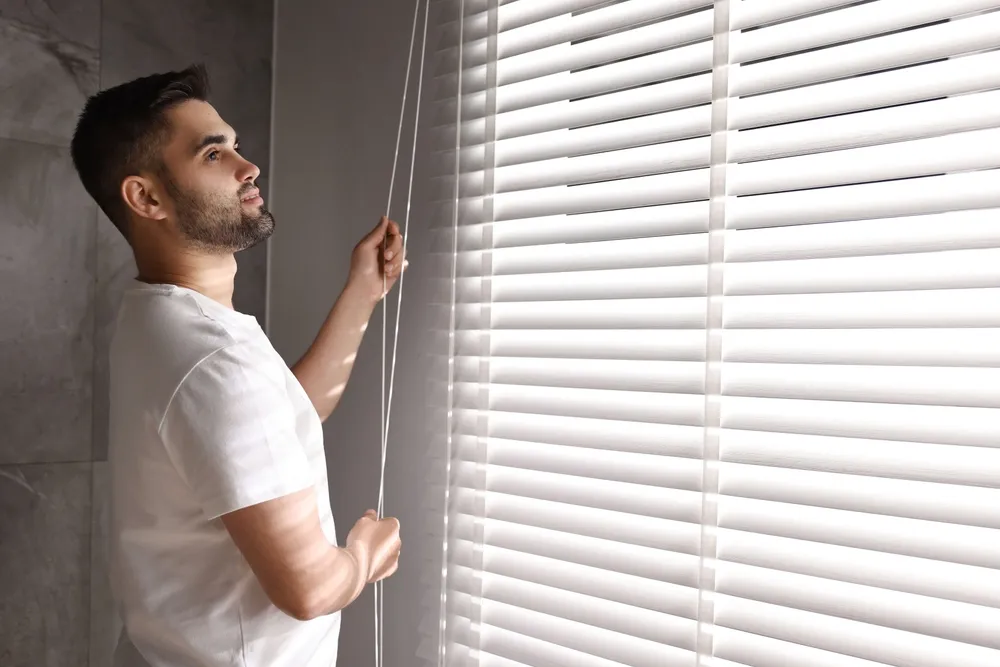
Using Shading like Blinds and Window Films Effectively
Shading reduces the amount of heat that enters through windows. These methods work best when placed in areas that get direct sunlight. Effective shading helps keep indoor temperatures stable.
- Window films reduce heat transfer by filtering sunlight, bringing down indoor temperatures and decreasing the need for extended cooling cycles.
- External blinds or awnings block direct sunlight, preventing heat build-up inside the home and supports more efficient cooling performance.
- Closing curtains during peak heat hours reduces radiant heat, keeping rooms cooler and reduces how often the system needs to run.
Reducing Radiant Heat Transfer From Roofs and Walls
Roofs and walls absorb significant heat throughout the day. Reducing radiant heat transfer helps maintain a more stable indoor temperature. This prevents the system from running longer than necessary.
- Lighter roof colours reflect more heat, which reducing internal temperature rise and lowering the cooling system’s workload.
- Reflective paints on external walls help minimise heat absorption, creating cooler indoor conditions and reduces energy use.
- Adding under-roof insulation reduces heat transfer, keeping indoor areas cooler and reduces the duration of cooling cycles.
Preventing Heat Entry Through Gaps and Openings
Gaps around windows and other openings allow warm air to seep into the home. Sealing these areas helps maintain cooler indoor temperatures. This improves system efficiency and reduces energy use.
- Weather stripping prevents unwanted warm air from entering, stabilising indoor temperatures and lowering cooling system strain.
- Sealing cracks around windows and doors reduces heat gain, lowering the need for prolonged system operation.
- Tightening door frames and adding draught stoppers helps maintain consistent indoor conditions, supporting lower energy use and more effective cooling.
Lowering cooling costs without sacrificing comfort is all about understanding how your system interacts with your home and your daily habits. Small improvements made consistently can help reduce strain on the system while giving you steady indoor temperatures. When everything works together, you gain a more reliable and efficient cooling experience that benefits your home in many ways.
All Coast Air Conditioning believes that practical upgrades with regular maintenance and better cooling habits can make your system last longer while lowering your electricity bills. Homes that focus on heat control and efficient components often enjoy better comfort with less energy use. By staying proactive with simple steps, you can create a comfortable environment while keeping your cooling costs under control.
We Run Our Business Like a Family
When You Need Help
Get your home the Air Conditioning work it needs from our team at All Coast Air Conditioning. We’re always ready to help.


