
Running ducted air conditioning in a family home can have a noticeable impact on electricity bills during periods of extreme heat or cold. The actual cost depends on more than the number of hours the system operates, with system size, efficiency, zoning, thermostat settings and the home's insulation all influencing energy use.
All Coast Air Conditioning helps assess these factors when choosing, installing or managing ducted systems. Understanding how each element affects electricity consumption makes it easier to estimate running costs and identify practical ways to improve efficiency without compromising indoor comfort.
For homeowners considering ducted air conditioning in Central Coast, knowing what drives seasonal and daily running costs can make budgeting easier. From calculating hourly electricity use to choosing suitable temperature settings and making better use of zones, the right approach can help a ducted system provide reliable year-round comfort while keeping unnecessary energy use under control.
What Is the Typical Hourly Cost of Running Ducted Air Conditioning?
A typical 3- to 5-bedroom family home may cost around $1.50 to $3.50 per hour to run ducted air conditioning during peak summer conditions. This is a broad estimate rather than a standard rate, as actual costs depend on system capacity, energy efficiency, electricity tariffs, thermostat settings and how many areas are being conditioned.
Running costs can increase when the system is working harder due to extreme temperatures, poor insulation, air leaks or restricted airflow. Regular maintenance, sensible temperature settings and efficient operation can help limit unnecessary electricity use.
For a more accurate estimate, the system's electrical input and the home's current electricity tariff can be used to calculate the maximum hourly cost. Actual consumption may be lower because inverter systems can reduce their output once the desired indoor temperature is reached.
How Do Home Size and System Capacity Affect Running Costs?
Home size and system capacity affect ducted air conditioning running costs. Larger homes require greater heating or cooling capacity, increasing electricity use. However, floor area is only one part of the sizing process. Insulation, ceiling height, windows, home orientation and local climate can also affect the capacity required.
Correct sizing is important for keeping energy use under control. An undersized unit may need to run for longer periods to maintain the desired temperature, while an oversized system may cycle more frequently and operate less efficiently. Professional load calculations can help determine a suitable capacity rather than relying on floor area alone.
The system's capacity should be matched to the property's actual heating and cooling requirements rather than simply choosing the largest available unit. Effective zoning can then help manage how much of that capacity is used at different times.
How Much Difference Does Zoning Make to Running Costs?
Ducted zoning can reduce ducted air conditioning running costs by allowing only the areas in use to be cooled or heated. Instead of conditioning the entire home, a family can run living areas during the day and bedrooms at night, for example. Depending on the system, home and usage patterns, zoning can potentially reduce running costs by around 20 to 40% compared with conditioning the whole home for the same period.
The savings depend on how the zones are designed and used. Grouping rooms with similar heating and cooling needs, using timers or smart controls and avoiding unnecessary conditioning of unused areas can help maximise the benefit.
A well-designed zoning system allows the ducted unit to better match output with demand. This can reduce unnecessary energy use while maintaining comfortable temperatures in the areas that are occupied.
How Do Hours of Use and Temperature Settings Affect Your Electricity Bill?
The number of hours a ducted air conditioner runs and the temperature it is set to can have an effect on electricity costs. Longer operating periods increase energy consumption, while very low cooling temperatures make the system work harder to maintain the desired indoor temperature.
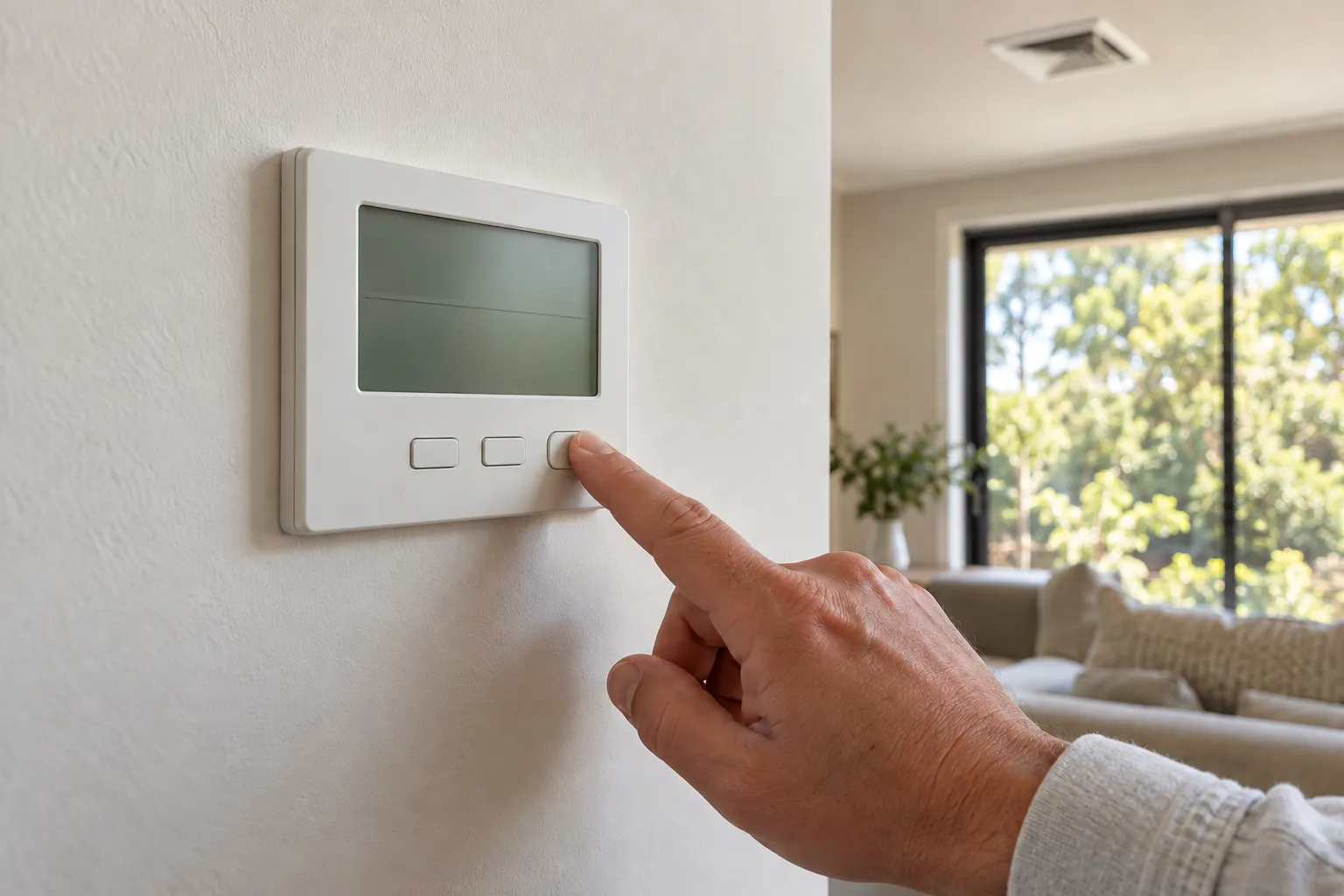
Summer cooling is often the most noticeable cost for many family homes, while winter heating costs depend on the local climate, the system being used and household operating patterns.
Longer Run Times Increase Energy Use
Running the system for several hours each day will naturally use more electricity than shorter, targeted periods. Using timers and scheduled operation can help avoid cooling or heating an empty home or running the system longer than necessary.
Focusing operation on periods when heating or cooling is actually needed can help control overall usage without reducing comfort.
Moderate Temperature Settings Can Reduce Costs
Setting the thermostat around 24 to 25°C during summer can provide comfortable cooling without placing unnecessary demand on the system. Lowering the temperature further can increase energy use during very hot weather when the system may already need to operate for longer.
Combining a moderate temperature with sensible operating hours can help reduce electricity costs while maintaining indoor comfort. Australian Government guidance on efficient cooling provides further advice on thermostat settings, maintenance and reducing household energy use.
How to Calculate the Approximate Running Cost of Your Ducted System
The approximate running cost of a ducted air conditioner can be estimated using the system's electrical input, the electricity tariff and the number of hours it operates. The basic formula is input power (kW) × electricity rate ($/kWh) = hourly running cost.
Check the System's Power Input
The system's specification sheet or nameplate should list its electrical input in kW. This is different from the system's cooling or heating capacity.
For example, a system with a 4.2 kW electrical input operating at an electricity rate of 30 cents per kWh would have a maximum running cost of about $1.26 per hour if operating at that input continuously.
This example does not represent the running cost of every ducted system. A 4.2 kW input is simply an example of the electrical power used by a particular system under the stated conditions. Larger systems or higher electricity tariffs would produce a higher maximum hourly cost.
Account for Actual Usage
The maximum figure provides a useful starting point, but inverter systems adjust their output rather than operating at full power continuously. Actual costs can be lower and will vary with outdoor temperatures, insulation, zoning, thermostat settings and how long the system operates.
Multiplying the estimated hourly cost by the number of operating hours gives a rough daily cost, which can then be used to estimate weekly or seasonal electricity use. Checking actual usage against electricity bills can provide a more reliable picture of the system's typical running cost over time.
What Factors Can Make Ducted Air Conditioning More Expensive to Run?
Several factors can increase the cost of running ducted air conditioning, even when the system is correctly sized. Poor insulation, air leaks, damaged ductwork, extreme outdoor temperatures, high electricity tariffs and inefficient usage habits can all increase energy consumption. Poor maintenance can also reduce system performance, causing the unit to operate for longer to maintain the desired temperature.
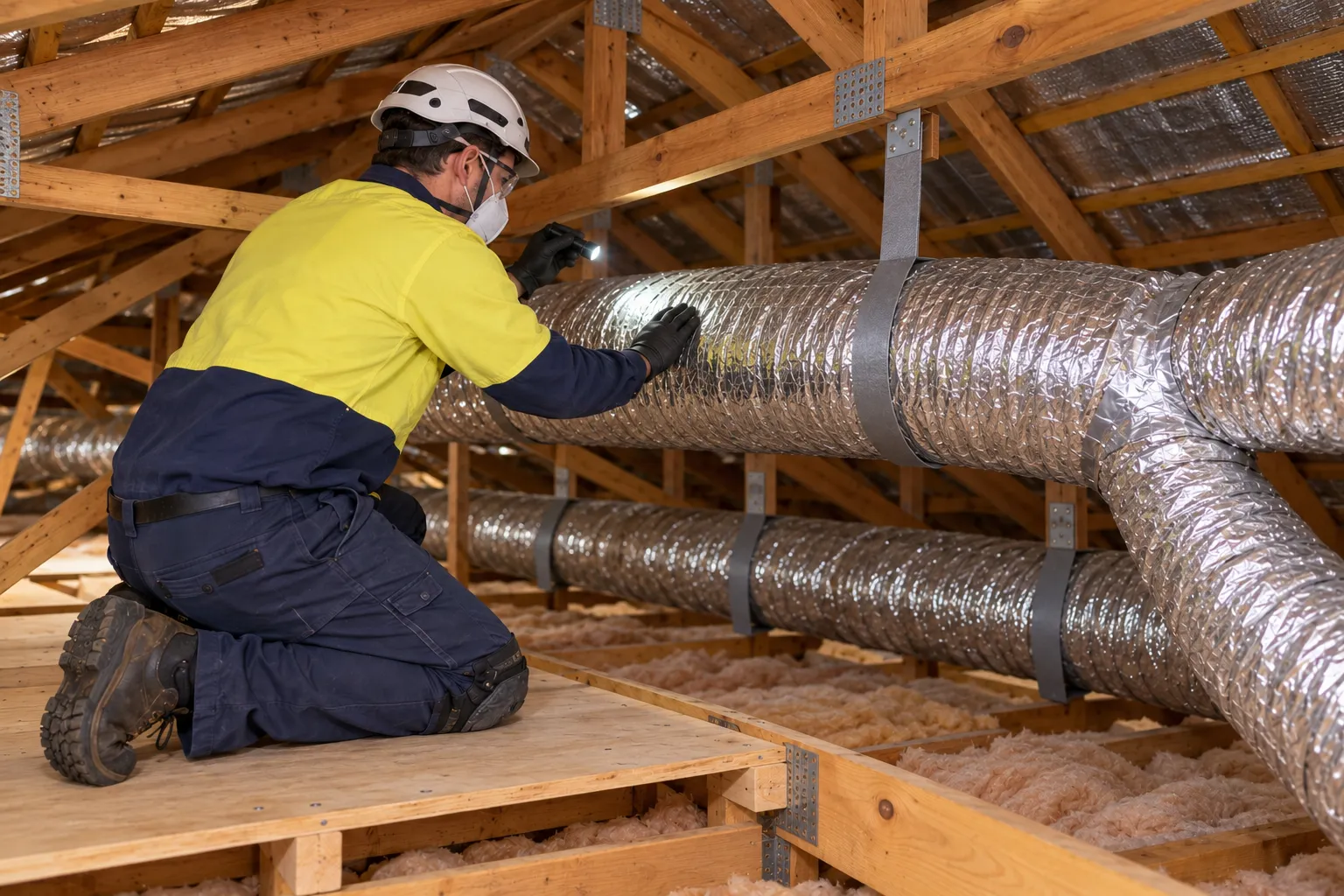
Factors that can push running costs higher include:
- Poor insulation and air leakage: Heat entering through the roof, walls and windows, along with draughts around doors and windows, increases the system's workload.
- Damaged or inefficient ductwork: Leaking, crushed or poorly insulated ducts can prevent conditioned air from reaching rooms efficiently.
- Extreme temperatures: Very hot or cold weather increases the difference between indoor and outdoor temperatures, requiring more heating or cooling.
- Poor maintenance: Dirty filters, restricted airflow and faulty components can reduce efficiency and increase operating time.
- High tariffs and usage habits: Longer operating hours and extreme thermostat settings can increase electricity costs.
Addressing these factors through regular maintenance, suitable thermostat settings and improvements to the home's insulation and ductwork can help keep ongoing running costs under control.
How Does the Energy Efficiency of a Ducted System Affect Running Costs?
Energy efficiency directly affects how much electricity a ducted air conditioning system uses to provide heating or cooling. A more efficient system can deliver the required comfort with less electrical input, reducing hourly running costs and making a noticeable difference when the system operates for several hours a day.
Inverter technology can also help control energy use by adjusting compressor output to match the home's heating or cooling demand. However, the system's efficiency rating is only part of the picture. Correct sizing, effective zoning, insulation, well-maintained ductwork and suitable temperature settings all influence real-world performance.
A highly efficient system can still use significant electricity if it operates for long periods or has to compensate for heat gain, poor airflow or other installation issues. When comparing systems, both upfront cost and expected energy use should be considered.
Choosing an efficient system and ensuring it is correctly installed and maintained can help reduce ongoing running costs over its working life.
Does the Age and Condition of a Ducted Air Conditioner Affect Electricity Use?
Yes. The age and condition of a ducted air conditioner can affect how much electricity it uses. Older systems may be less efficient than newer models, particularly if they lack newer inverter or energy-saving technology. Worn components can also make a system take longer to reach or maintain the desired temperature.
Age alone does not determine running costs, however. The condition of the system is equally important. Dirty filters, restricted airflow, damaged ductwork or faulty components can increase energy use in both older and newer systems. Regular maintenance can help the system operate closer to its intended performance and identify problems that may be increasing electricity consumption.
Signs that a system may be using more electricity than necessary include longer run times, reduced airflow, inconsistent room temperatures, unusual noises or a noticeable increase in power bills despite similar usage. If these issues occur, checking the air conditioner, ductwork and overall home efficiency can help identify the cause.
How Can Homeowners Reduce the Running Cost of Ducted Air Conditioning?
Reducing ducted air conditioning costs is largely about helping the system operate efficiently and avoiding unnecessary heating or cooling. Small changes to temperature settings and operating hours can make a difference, while good insulation, ductwork and maintenance can reduce the energy required to maintain indoor comfort.
Practical ways to keep running costs under control include:
- Use moderate temperature settings: Around 24 to 25°C in summer can provide comfortable cooling without placing unnecessary demand on the system.
- Limit unnecessary operating hours: Timers and scheduled operation can prevent the system from running when the home is empty or when cooling or heating is no longer needed.
- Improve insulation and seal air leaks: Good roof and ceiling home insulation, along with sealed gaps around doors and windows, can reduce heat transfer and the workload on the system.
- Maintain filters and ductwork: Clean filters, clear airflow paths and well-maintained ductwork help the system distribute conditioned air efficiently.
- Consider efficiency when replacing an older system: A correctly sized modern inverter system may use less electricity than an older unit when combined with good installation and suitable controls.
Professional system design can also help match capacity and ductwork to the property's layout and heating or cooling requirements.
The cost of running ducted air conditioning depends on factors such as system size, efficiency, thermostat settings, insulation, ductwork and daily usage. Practical temperature settings, sensible operating hours and regular maintenance can help reduce energy use without sacrificing comfort.
For those planning a new installation or looking to improve an existing system, All Coast Air Conditioning can help assess the home's layout, usage patterns and heating or cooling needs. Correct sizing and well-designed ductwork can support reliable comfort while helping keep ongoing running costs under control.
We Run Our Business Like a Family
When You Need Help
Get your home the Air Conditioning work it needs from our team at All Coast Air Conditioning. We’re always ready to help.


